

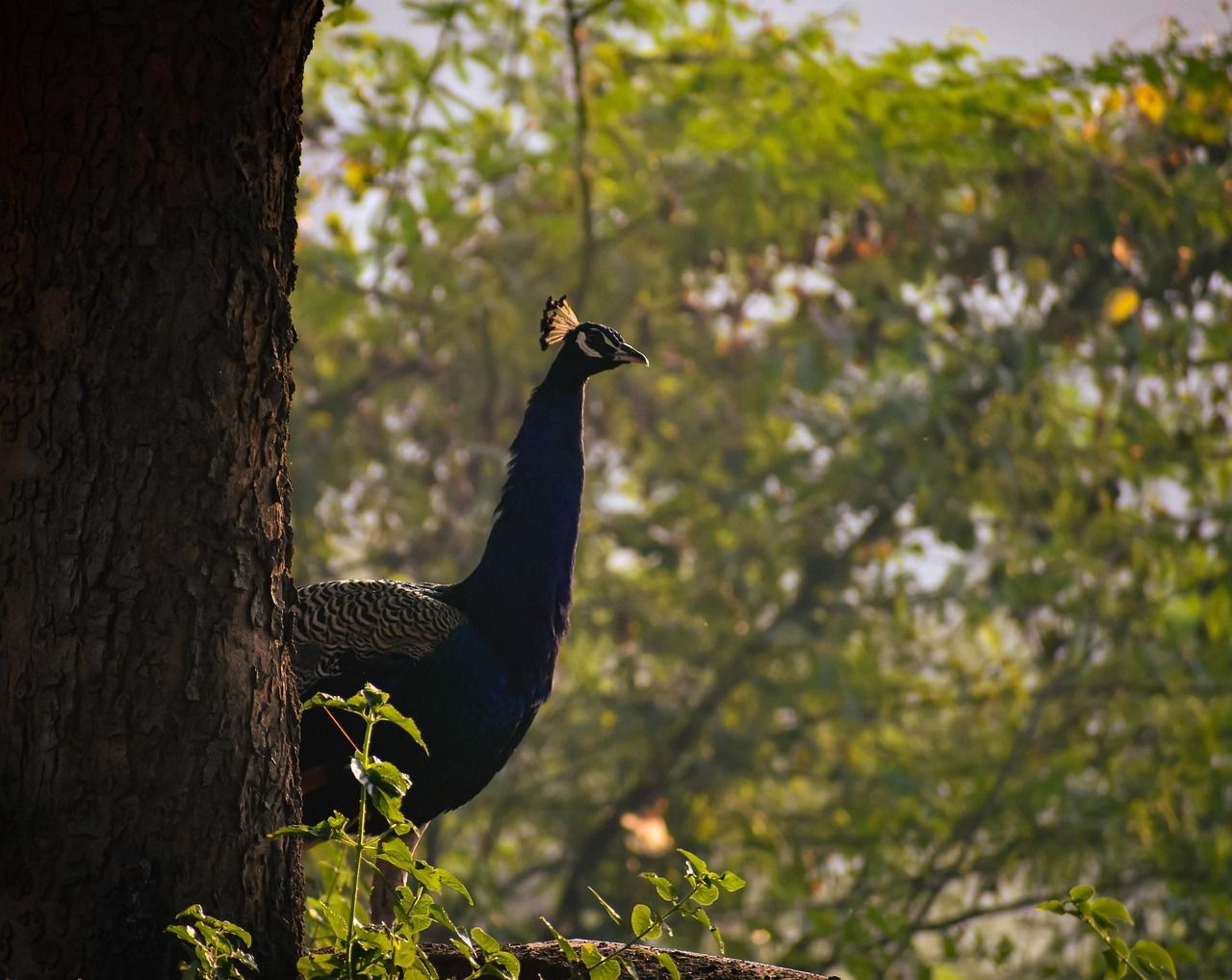
The Growing Mystery Over Deaths of Peacocks Across India
In recent months, a troubling headline has been surfacing from various corners of India: a growing mystery over the deaths of peacocks. From the arid plains of Rajasthan to the fertile fields of Haryana and the dense forests of Madhya Pradesh, India’s national bird is facing an unprecedented crisis. For a bird that holds such deep cultural, religious, and ecological significance in the Indian heartland, seeing them succumb to unexplained causes is not just a blow to biodiversity but also a cause for significant public concern.
Peacocks are hardy birds, well-adapted to the Indian climate. However, when dozen of birds are found dead in a single orchard or near a specific water body, it points toward a systemic issue rather than natural attrition. The local communities, who often revere these birds as the vahan of Lord Kartikeya, are left searching for answers. This blog post explores the layers of this mystery, looking at the biological, environmental, and man-made factors that are contributing to the rising mortality rates among peacock populations.
Understanding the Geography of the Crisis
The mystery over deaths of peacocks is not localized to one single state. In Rajasthan, particularly in districts like Bikaner and Nagaur, the sightings of peacock carcasses have become alarmingly frequent. Similarly, in the Malwa region of Madhya Pradesh, forest officials have been struggling to explain the sudden drop in the peacock census. Even in the semi-urban fringes of Delhi and Haryana, the trend persists. These regions share commonalities: intensive agriculture, harsh summer temperatures, and a shrinking natural habitat that forces wildlife into closer proximity with human settlements.
The Silent Killer: Pesticides and Agricultural Runoff
One of the primary suspects in the mystery over deaths of peacocks is the widespread use of toxic pesticides in Indian agriculture. Peacocks are opportunistic feeders; they frequent mustard, wheat, and gram fields to feed on insects and seeds. Farmers often treat seeds with chemicals like Monocrotophos or Organophosphates to protect crops from pests. When peacocks consume these treated seeds or feed on insects that have ingested these toxins, the results are fatal.
The poisoning is often accidental, but its impact is devastating. In many cases, the birds suffer from neurotoxicity, leading to paralysis and eventual death. Because the symptoms are not always immediate, a bird might feed in one field and collapse miles away, making it difficult for forest departments to pinpoint the exact source of the poison. This creates a lingering mystery that requires forensic toxicological reports to solve—reports that are often delayed due to a lack of specialized labs in rural areas.
The Impact of Record-Breaking Heatwaves
Climate change is no longer a distant threat for India’s wildlife. The recent years have seen record-breaking temperatures across North and Central India, with mercury levels crossing 48 degrees Celsius. For the peacock, these heatwaves are lethal. While they are resilient birds, they require constant access to clean water to regulate their body temperature. As traditional ponds and step-wells (baoris) dry up due to declining groundwater levels, peacocks are forced to travel long distances in the scorching sun.
Dehydration and heatstroke are major contributors to the mystery over deaths of peacocks during the pre-monsoon months. When a bird is dehydrated, its immune system weakens, making it more susceptible to minor infections that it would otherwise survive. Many carcasses found in open fields show no signs of external injury or poisoning, pointing directly toward thermoregulatory failure caused by the extreme Indian summer.
The Threat of Viral Outbreaks: The Ranikhet Disease
When mass deaths occur in a short window of time, veterinarians often look for viral causes. In India, Newcastle Disease, commonly known as Ranikhet disease, is a significant threat to all avian species, including peacocks. This highly contagious viral infection affects the respiratory, nervous, and digestive systems of the birds. Symptoms include gasping for air, twisted necks, and greenish diarrhea.
The mystery deepens because Ranikhet can spread rapidly from domestic poultry to wild peacock populations. In villages where backyard poultry farming is common, the lack of vaccination for domestic chickens can lead to a spillover effect. Once the virus enters a wild peacock muster, it can wipe out dozens of birds within days. Because wild birds are not easily monitored, the outbreak is often only discovered after the mortality rate has already peaked.
Habitat Loss and Stray Dog Attacks
The changing landscape of rural India is another piece of the puzzle. Rapid urbanization and the expansion of highways have fragmented the peacock’s natural roaming grounds. This fragmentation forces peacocks to cross busy roads or enter residential areas in search of food and water. Stray dogs have emerged as a major predator in these scenarios. While a healthy peacock can usually fly to safety, birds weakened by heat or hunger are easy prey. Many 'mysterious' deaths, upon closer inspection, reveal internal hemorrhaging and bite marks consistent with canine attacks, highlighting a growing conflict between feral domestic animals and protected wildlife.
The Legal and Conservation Framework
The peacock is protected under Schedule I of the Indian Wildlife Protection Act, 1972. This is the highest level of legal protection available in the country, on par with tigers and elephants. This means that any death of a peacock must be reported, and a post-mortem is mandatory to rule out poaching or foul play. However, the ground reality is often different. Due to a lack of awareness, many villagers bury the birds without informing the Forest Department, which prevents any scientific investigation into the cause of death.
Strengthening the reporting mechanism is crucial to solving the mystery over deaths of peacocks. Local 'Paryavaran Mitras' or environment friends and NGOs are now working to bridge the gap between the public and the authorities. By ensuring that every carcass is examined, patterns can be identified—whether it is a specific pesticide being used in a block or a local outbreak of a specific virus.
Practical Steps for Local Communities
While the government and scientists work on the larger issues, there are practical steps that Indian citizens, especially those in semi-urban and rural areas, can take to protect our national bird. Small actions can have a significant impact on reducing mortality rates during critical seasons.
- Provide Clean Water: Placing earthen bowls (parindas) with fresh water in balconies, gardens, and farm edges can prevent dehydration deaths.
- Monitor Pesticide Use: Encouraging organic farming practices or at least ensuring that treated seeds are not left exposed in open fields.
- Reporting Incidents: If you find a sick or dead peacock, immediately contact the nearest Forest Range Office or a local wildlife helpline.
- Protecting Nesting Sites: Peacocks nest on the ground or in low bushes. Protecting these areas from stray dogs and human interference ensures the next generation survives.
The Way Forward: Scientific Research and Awareness
To truly solve the mystery over deaths of peacocks, India needs a more robust wildlife health monitoring system. This includes setting up regional diagnostic labs that can provide quick toxicology and pathology results. Furthermore, there needs to be a synergy between the Agriculture Department and the Forest Department to regulate the sale of pesticides that are known to be highly toxic to birds.
Education plays a vital role. When farmers understand that peacocks are actually beneficial to them—by eating locusts, grasshoppers, and even snakes—they are more likely to take precautions to protect them. The peacock is not just a bird; it is an integral part of the Indian farm ecosystem. Its survival is a sign of a healthy environment, and its disappearance is a warning that something is deeply wrong with our soil, water, and air.
Conclusion
The mystery over the deaths of peacocks is a complex issue with no single culprit. It is a combination of rising temperatures, chemical dependency in agriculture, and the spread of avian diseases. However, by acknowledging the scale of the problem and taking collective action, we can ensure that the vibrant colors of the peacock continue to grace the Indian landscape. We must move from mystery to mastery—mastering the art of coexisting with nature and protecting the species that define our national identity.
Why are peacocks dying suddenly in many parts of India?
The sudden deaths are usually attributed to a combination of factors including heatstroke during extreme summers, the ingestion of pesticide-treated seeds in agricultural fields, and viral outbreaks like Ranikhet disease. Habitat loss and attacks by stray dogs also contribute to the rising mortality rates.
What should I do if I find a dead or injured peacock?
Since the peacock is a Schedule I protected species under the Wildlife Protection Act, you must immediately report the finding to the local Forest Department or a registered wildlife NGO. Do not handle the bird without professional guidance to avoid the risk of zoonotic diseases.
How does Ranikhet disease affect peacocks?
Ranikhet disease, or Newcastle Disease, is a viral infection that affects the respiratory and nervous systems of birds. It can cause gasping, tremors, and sudden death. It often spreads to wild peacocks from unvaccinated domestic poultry in nearby villages.
Are pesticides the main cause of the mystery deaths?
While not the only cause, pesticides are a major factor. Chemicals like Monocrotophos used on crops can be highly toxic to peacocks. When the birds eat treated seeds or insects from these fields, it leads to rapid poisoning and death.
Can heatwaves really kill a peacock?
Yes, extreme temperatures above 45 degrees Celsius can lead to dehydration and heatstroke. If peacocks cannot find adequate shade and clean water sources, their internal cooling mechanisms fail, leading to sudden death in open fields.


