

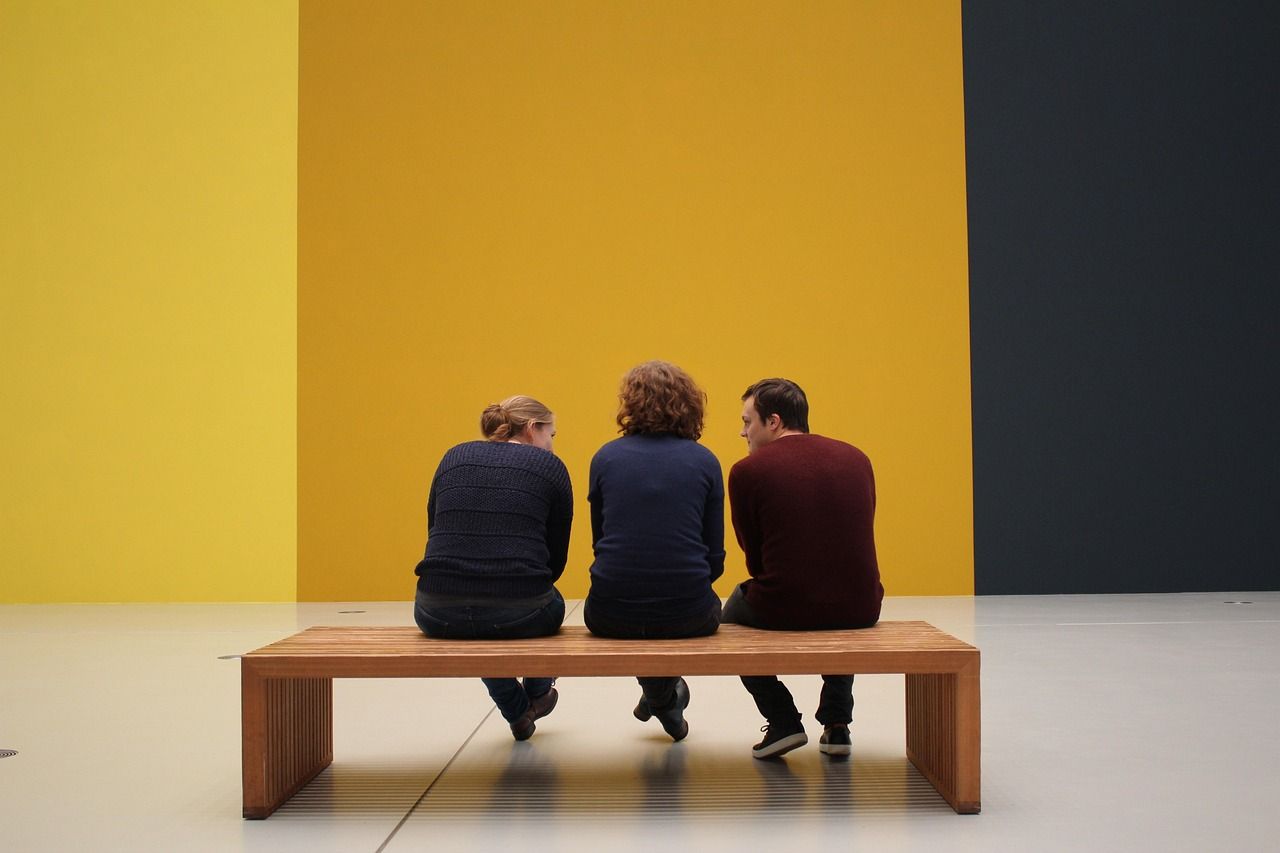
Introduction to the World of Contemporary Art
For many, the idea of collecting contemporary art feels like entering an exclusive club with an unwritten rulebook. You might picture high-stakes auctions in Mumbai or hushed conversations in elite South Delhi galleries. However, the reality is far more inviting. Contemporary art, which refers to art produced by living artists today, is one of the most exciting ways to engage with the culture of our time. In India, the art scene is currently witnessing a massive transformation. With the rise of international art fairs and a growing middle class interested in culture, there has never been a better time to start your own collection.
Collecting art is not just about filling empty wall space or making a financial investment. It is about storytelling, supporting the creative economy, and surrounding yourself with objects that provoke thought or bring joy. Whether you are looking to buy your first lithograph or want to dive into large-scale oil paintings, this guide will walk you through the nuances of how to collect contemporary art in the Indian context.
Understanding Your Personal Aesthetic
Before you spend a single rupee, the first step in collecting is education. You need to train your eye to understand what resonates with you. Contemporary art is incredibly diverse, ranging from abstract expressionism and figurative works to digital art and installations. In India, you will find a unique blend of traditional motifs reimagined through modern lenses, as well as bold, avant-garde social commentaries.
Start by visiting public institutions like the National Gallery of Modern Art (NGMA) in Mumbai, Delhi, or Bengaluru. These spaces allow you to see the progression of Indian art history, helping you understand how contemporary artists are influenced by their predecessors. Attend the India Art Fair in New Delhi if possible; it is the ultimate crash course in the current market, featuring galleries from across the country and the world. The more art you see, the more you will notice patterns in what you like—perhaps you prefer the earthy tones of Bengal School influences or the vibrant, chaotic energy of urban street art.
Researching the Indian Art Market
The Indian art market has its own ecosystem. It consists of the primary market and the secondary market. The primary market is where an artwork is sold for the first time, usually through a gallery representing the artist. The secondary market involves the resale of works, often through auction houses like Saffronart or Pundole’s.
Emerging vs. Established Artists
As a new collector, you face a choice: do you buy works by established masters like M.F. Husain or S.H. Raza (which are very expensive and mostly secondary market), or do you look for emerging talent? For most beginners, the emerging and mid-career segments are the best places to start. These artists are often represented by reputable galleries like Chemould Prescott Road in Mumbai, Vadehra Art Gallery in Delhi, or Experimenter in Kolkata. Buying from emerging artists is exciting because you are participating in their career growth, and the entry price points are much more accessible.
Setting a Realistic Budget
One of the biggest myths is that you need millions to buy art. While blue-chip art is indeed expensive, contemporary art is available at various price points. You can find high-quality limited edition prints, photographs, or works on paper for anywhere between fifteen thousand to fifty thousand rupees. Original canvases by emerging artists might range from fifty thousand to two lakh rupees.
When budgeting, remember to account for additional costs. In India, the Goods and Services Tax (GST) on artworks is typically 12%. You should also factor in the cost of professional framing, which is crucial for protecting the work, and insurance if the piece is significantly valuable. It is always better to buy one high-quality piece that you truly love than five mediocre pieces just to fill a room.
Where to Buy Contemporary Art in India
Knowing where to shop is half the battle. Here are the most reliable avenues for Indian collectors:
- Physical Art Galleries: This remains the gold standard. Galleries vet the artists and guarantee the authenticity of the work. Establish a relationship with gallery owners; they are often happy to educate serious newcomers.
- Degree Shows: Visit institutions like the Sir J.J. School of Art in Mumbai or Kala Bhavana in Shantiniketan during their annual student exhibitions. You can often buy works directly from graduating students at very affordable prices.
- Online Platforms: Websites like Mojarto or ArtAndFound have made it easier to browse art from the comfort of your home. These platforms are excellent for discovering younger artists and viewing transparent pricing.
- Art Fairs: Fairs like the Kochi-Muziris Biennale (while more of an exhibition) and the India Art Fair provide a concentrated look at what is trending in the region.
The Importance of Documentation and Provenance
In the art world, provenance is everything. It is the record of ownership that proves a work is authentic. Whenever you purchase a piece of contemporary art, ensure you receive an Authenticity Certificate signed by the artist or the representing gallery. Keep your original invoices and any catalogs where the work might have been featured.
This documentation is vital not just for potential resale, but also for insurance and estate planning. In India, where the market for fakes can sometimes be a concern, buying from reputable sources and maintaining a paper trail is your best defense.
Caring for Your Collection
India’s climate poses unique challenges for art preservation. High humidity, heat, and direct sunlight can cause paintings to warp, colors to fade, or fungal growth on paper. When displaying your collection, avoid walls that receive direct afternoon sun. If you live in a coastal city like Chennai or Mumbai, consider using a dehumidifier in the room where your art is kept.
Proper framing is also an investment in the artwork's longevity. Ask for acid-free mounts and UV-protective glass, especially for works on paper or photographs. Never attempt to clean a painting yourself with water or chemicals; always consult a professional restorer if you notice any damage.
Conclusion: The Journey of a Collector
Collecting contemporary art is a marathon, not a sprint. Your tastes will evolve as you learn more, and your collection should reflect that growth. Do not be pressured by trends or what is considered "hot" in the market. The most successful collectors are those who buy with their hearts but verify with their heads.
By supporting living artists, you are contributing to the cultural fabric of modern India. Each piece you hang on your wall becomes a conversation starter and a legacy for the future. Start small, stay curious, and enjoy the thrill of the hunt. The world of Indian contemporary art is vast and vibrant—it is waiting for you to make your first move.
Is collecting contemporary art a good financial investment?
While some art appreciates significantly in value, you should never buy art solely for investment. The art market can be illiquid and unpredictable. Treat appreciation as a bonus and focus on buying pieces that you genuinely value for their aesthetic and emotional impact.
How do I know if the price of an artwork is fair?
Research the artist's career. Look at their exhibition history, whether they have participated in any biennales, and their previous sales records. Reputable galleries maintain consistent pricing for their artists based on experience and demand.
Can I negotiate the price at an art gallery?
In many Indian galleries, it is common to ask for a small discount, typically ranging from 5% to 10%, especially if you are a first-time buyer or purchasing multiple works. However, be respectful, as the proceeds are shared with the artist.
Should I only buy paintings?
Not at all. Contemporary art includes photography, sculpture, digital media, and limited-edition prints. Prints and photography are often more affordable entry points for new collectors and are highly respected in the modern art world.


