

The Journey to Better Health Starts on Your Plate
In a world where fast food is just a click away and our schedules are busier than ever, maintaining a balanced diet often feels like a monumental task. Many people believe that eating well requires expensive superfoods or restrictive meal plans. However, the secret to longevity and vitality lies in our traditional roots. Learning how to eat healthy by making mindful choices within the Indian culinary context can transform your relationship with food without stripping away the flavors you love.
India has a rich heritage of nutritional wisdom. From the use of anti-inflammatory spices like turmeric to the inclusion of diverse grains like millets, our ancestors knew the value of functional medicine through food. Modern lifestyle diseases such as diabetes, hypertension, and obesity can often be managed or prevented simply by understanding the core principles of nutrition. This guide will walk you through the practical steps of how to eat healthy by restructuring your daily habits and choosing local, seasonal ingredients.
Understanding the Modern Indian Plate
The first step in learning how to eat healthy by modifying your diet is to look at your current plate. Traditionally, an Indian meal was a balanced mix of carbohydrates, proteins, fats, and fiber. However, over time, the proportion of refined carbohydrates like white rice and refined flour has increased, while the intake of fresh vegetables and quality protein has declined. To fix this, we need to adopt a more balanced approach to portioning.
The Half-Plate Rule
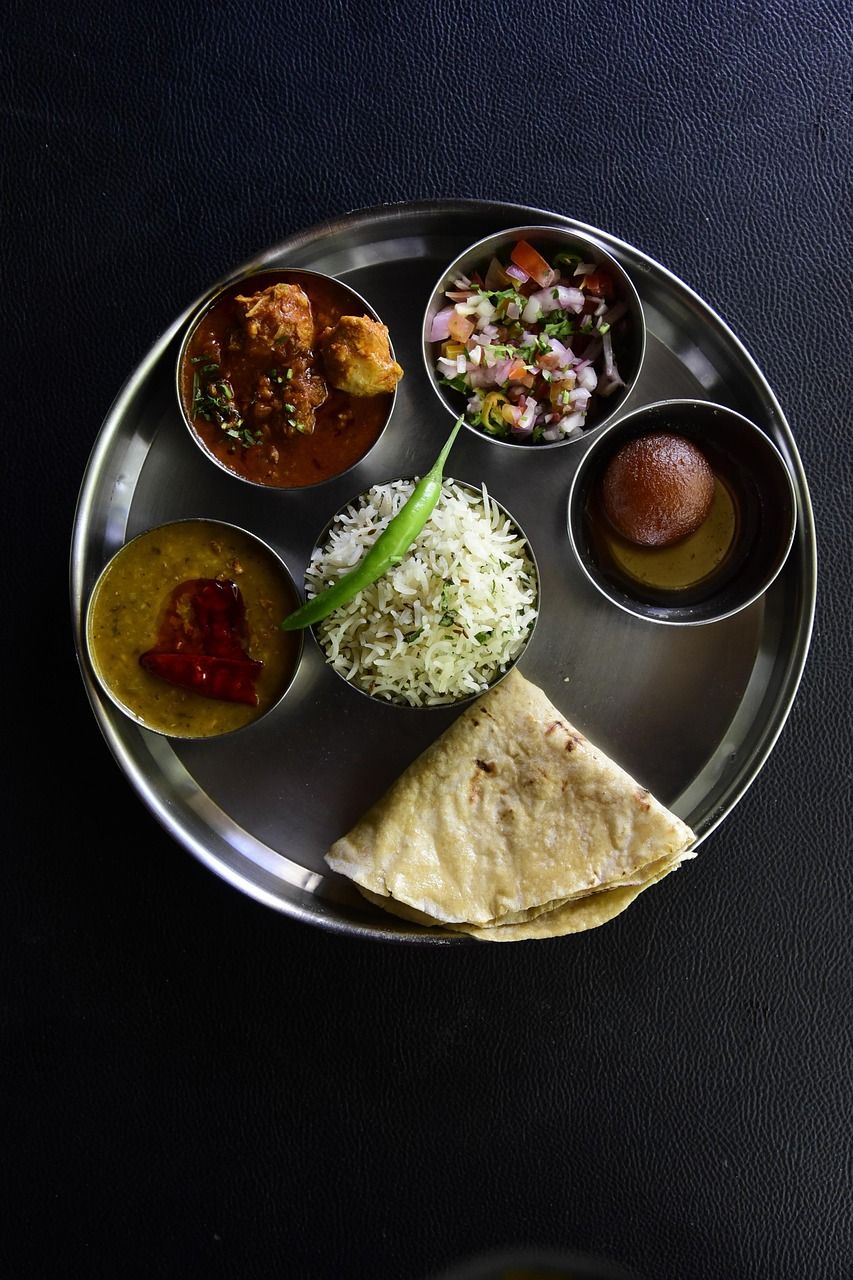
One of the easiest ways to understand how to eat healthy by managing portions is the half-plate rule. Fill half of your plate with non-starchy vegetables. This can include seasonal greens like spinach, beans, cauliflower, or gourds. Vegetables provide essential vitamins and fiber that keep you full for longer. The remaining half of the plate should be divided equally between protein sources like dal, paneer, or lean meats, and complex carbohydrates like whole wheat rotis or brown rice. This simple visual guide ensures you get a wide spectrum of nutrients in every meal.
Switching to Whole Grains and Millets
For decades, polished white rice and refined wheat have dominated the Indian kitchen. While these provide quick energy, they often lead to spikes in blood sugar levels. You can learn how to eat healthy by substituting these refined grains with ancient Indian millets. Grains like Ragi, Jowar, Bajra, and Foxtail millet are nutritional powerhouses. They are rich in fiber, gluten-free, and have a lower glycemic index, making them ideal for weight management and blood sugar control.
Integrating Millets into Your Routine
You do not have to give up your favorite dishes. You can explore how to eat healthy by making small swaps. Replace your regular wheat flour with a multi-grain blend or try making idlis and dosas with ragi or kodo millet. These grains are locally sourced and sustainable, fitting perfectly into a budget-friendly healthy lifestyle. When you choose whole grains, you ensure that your body receives a steady supply of energy rather than a temporary sugar rush followed by a crash.
The Protein Gap in Indian Diets
A common challenge in the Indian context, especially for vegetarians, is meeting daily protein requirements. Protein is essential for muscle repair, hormonal balance, and metabolic health. You can learn how to eat healthy by prioritizing high-quality protein in every meal. Many Indian households rely solely on thin dals for protein, but a single bowl of dal often contains more carbohydrates than protein.
Diverse Protein Sources
To bridge this gap, consider adding more dense protein sources to your diet. Legumes like chickpeas, kidney beans, and black-eyed peas are excellent choices. For vegetarians, paneer and Greek yogurt are great options, while those who eat eggs and lean meats can include those in moderation. Sprouts are another fantastic way to boost protein and enzyme content in your meals. By incorporating a variety of protein sources, you support your body’s structural needs and stay satiated between meals.
The Magic of Indian Spices and Healthy Fats
Indian cooking is famous for its spices, which do more than just add flavor. Spices like cumin, coriander, ginger, and garlic have been used for centuries for their digestive and medicinal properties. You can learn how to eat healthy by using these spices to reduce the need for excess salt and sugar in your cooking. Turmeric, for instance, contains curcumin, which is known for its powerful anti-inflammatory effects.
Choosing the Right Cooking Oil
Another crucial aspect of how to eat healthy by refining your kitchen habits is the choice of cooking oil. Many processed vegetable oils are high in omega-6 fatty acids, which can promote inflammation when consumed in excess. Instead, opt for traditional oils like cold-pressed coconut oil, mustard oil, or moderate amounts of A2 cow ghee. Ghee, when consumed in limited quantities, provides fat-soluble vitamins and healthy fats that are beneficial for gut health. Avoid deep-frying food; instead, choose methods like steaming, pressure cooking, or stir-frying.
Mindful Snacking and Hydration
We often eat healthy during breakfast, lunch, and dinner, but lose track during teatime. The biscuits, rusks, and fried snacks consumed with chai often contribute to hidden calories and trans fats. You can learn how to eat healthy by replacing these with roasted makhana, nuts, seeds, or fresh fruits. These snacks provide micronutrients and healthy fats that support brain function and keep hunger pangs at bay.
Staying Hydrated Traditionally
Hydration is equally important. In the heat of the Indian climate, we often turn to sugary sodas or packaged juices. A better way to stay hydrated is by choosing traditional drinks like buttermilk, coconut water, or nimbu paani without added sugar. These natural beverages replenish electrolytes and aid digestion. Drinking adequate water throughout the day ensures that your metabolism remains active and your skin stays healthy.
Establishing a Sustainable Routine
Consistency is the key to any lifestyle change. You cannot learn how to eat healthy by following a fad diet for a week. It is about creating sustainable habits that fit your culture and lifestyle. Start by making one change at a time. Perhaps this week you focus on increasing your vegetable intake, and next week you work on reducing refined sugar. Over time, these small adjustments compound into significant health benefits.
The Role of Timing and Sleep
Lastly, consider the timing of your meals. In many Indian cultures, eating a light and early dinner is a traditional practice. This gives your body enough time to digest the food before you sleep, leading to better rest and improved metabolism. Combine your healthy eating habits with adequate sleep and physical activity like walking or yoga. When you view health holistically, you find that eating well becomes a natural part of your day rather than a chore.
Conclusion
Learning how to eat healthy by returning to our roots and making conscious choices is the best gift you can give yourself. By focusing on whole foods, diverse proteins, and traditional grains, you can enjoy the vibrant flavors of Indian cuisine while protecting your long-term health. Remember that progress is better than perfection. Listen to your body, choose local produce, and enjoy every bite of your nourishing journey toward a healthier you.
How can I eat healthy while traveling in India?
When traveling, focus on cooked foods like dal, steamed rice, or vegetable curries rather than raw salads from street vendors. Opt for freshly prepared items like idlis or parathas made with less oil. Carrying nuts or fruits can help you avoid unhealthy snacking on the go.
Is ghee good for a healthy diet?
Yes, ghee is healthy when consumed in moderation. It contains healthy fats and vitamins A, D, and E. One to two teaspoons a day can aid digestion and improve nutrient absorption, but it should be factored into your daily fat intake.
How can I reduce sugar in an Indian diet?
Start by reducing sugar in your tea and coffee. Replace sweets and desserts with fresh fruits or a small piece of jaggery. Be wary of hidden sugars in packaged snacks, sauces, and flavored yogurts by reading the nutrition labels carefully.
Which Indian grains are best for weight loss?
Millets like ragi, jowar, and bajra are excellent for weight loss because they are high in fiber and keep you full for longer. Replacing white rice with brown rice or red rice can also help in managing weight and improving blood sugar levels.


