

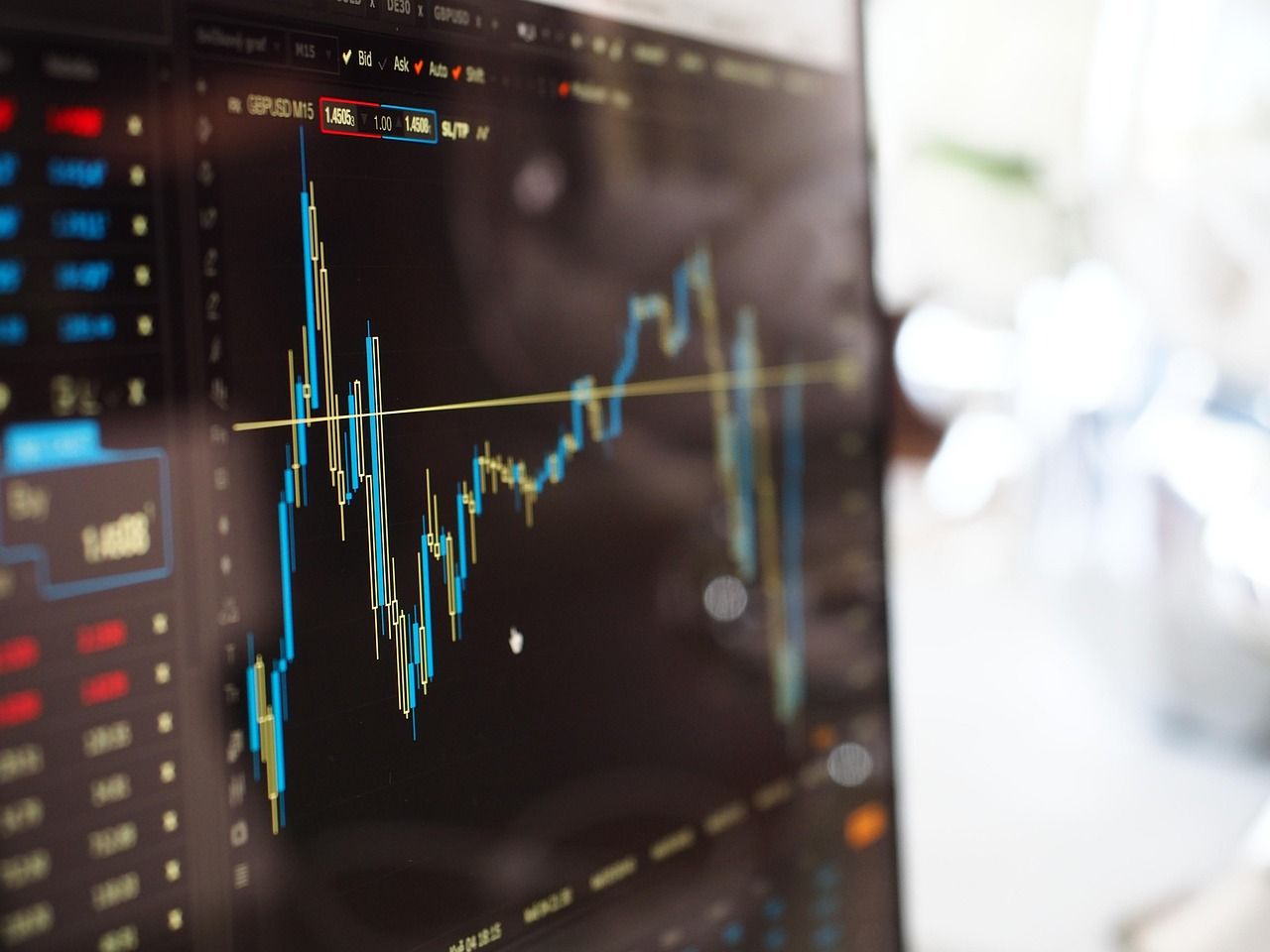
Mastering the Indian Stock Market Landscape
Trading in the Indian stock market is an exhilarating journey that offers immense opportunities for financial growth. Whether you are watching the opening bell at 9:15 AM or analyzing the closing moves at 3:30 PM, the adrenaline is real. However, many beginners often find themselves lost in the sea of red and green candles. If you have been looking for a structured approach to navigate the volatility of the NSE and BSE, you have come to the right place. In this detailed guide, heres how to trade the most popular indices and stocks with a strategy that focuses on consistency rather than luck.
The Indian market is unique because it is heavily influenced by both global cues from the US markets and local sentiment driven by domestic institutional investors. For a retail trader in India, understanding this duality is the first step toward success. You cannot simply look at a chart in isolation; you must understand the broader context of what is happening in the economy. This guide will break down the essential components of a successful trading plan, specifically tailored for the Indian retail investor who wants to move beyond guesswork and start trading with a data-driven mindset.
Understanding the Foundation of Indian Markets
Before we dive into specific strategies, it is crucial to understand what you are actually trading. Most retail traders in India gravitate toward the Nifty 50 and Bank Nifty. These indices represent the health of our economy and provide the highest liquidity. High liquidity is essential because it ensures that you can enter and exit trades without significant slippage. When you are looking for high-probability setups, heres how to trade the index: always start by looking at the higher timeframe. Even if you are a day trader using a 5-minute chart, knowing the daily and hourly trends is non-negotiable.
Many traders make the mistake of jumping into trades within the first five minutes of the market opening. In the Indian context, the first fifteen minutes are often filled with noise as the market reacts to overnight news. Professional traders often wait for the initial volatility to settle. They look for the Opening Range Breakout (ORB), which is a classic strategy used by thousands across the country. By waiting for a clear direction, you reduce the risk of being caught in a 'whipsaw' where the price hits your stop loss before moving in your intended direction.
The Technical Toolkit for Success
Technical analysis is the backbone of short-term trading. In India, several indicators have gained a cult-like following because of their perceived reliability in our market conditions. The Volume Weighted Average Price (VWAP) is perhaps the most important tool for an intraday trader. It tells you the average price at which a stock has traded throughout the day, based on both volume and price. If the price is above the VWAP, the sentiment is bullish; if it is below, the sentiment is bearish. When you combine this with the Relative Strength Index (RSI), you get a powerful confirmation of momentum.
Another essential tool is the Exponential Moving Average (EMA). Specifically, the 20-period and 50-period EMAs are widely used to identify dynamic support and resistance levels. When the 20 EMA crosses above the 50 EMA, it often signals a bullish trend. For those wondering about entry points, heres how to trade the crossover: wait for a retest of the moving average after the crossover occurs. This 'pullback' entry is much safer than chasing the initial price spike. It allows you to place a tighter stop loss and improves your risk-to-reward ratio significantly.
Price Action and Candlestick Patterns
While indicators are helpful, price action remains the king of all strategies. Indicators are lagging, meaning they tell you what has already happened. Price action, on the other hand, shows you what is happening in real-time. In the Indian market, certain candlestick patterns like the Pin Bar (Hammer) and the Engulfing pattern hold a lot of weight, especially when they form at key support or resistance levels. For instance, if the Nifty 50 touches a major psychological level like 22,000 and forms a bullish engulfing candle, it is a strong signal that buyers are stepping in.
Support and resistance are not just lines on a chart; they are zones where the battle between bulls and bears is most intense. When a resistance zone is broken with high volume, it often turns into a new support zone. To capitalize on these movements, heres how to trade the breakout: look for a candle to close convincingly above the resistance level. Many novice traders enter the moment the price touches the line, but experienced traders wait for the candle close to avoid 'fakeouts.' A fakeout happens when the price briefly breaks a level only to reverse sharply, trapping aggressive traders.
Risk Management: The Holy Grail
You can have the best strategy in the world, but without risk management, you will eventually blow up your account. This is the area where most Indian retail traders fail. The lure of quick money in options trading often leads to over-leveraging. A golden rule to follow is never to risk more than 1% to 2% of your total trading capital on a single trade. If you have a capital of 1 Lakh, your maximum loss on any given trade should not exceed 2,000 rupees. This disciplined approach ensures that a string of losses does not wipe you out of the game.
Position sizing is another critical aspect. In India, lot sizes for Nifty and Bank Nifty are fixed. This means you must calculate how many lots you can afford to trade based on your stop loss distance. For example, if your stop loss is 20 points away, you can calculate the potential loss per lot and adjust your position accordingly. Remember, the goal of a trader is not to be right 100% of the time, but to ensure that your winning trades are significantly larger than your losing trades. This is the only way to achieve long-term profitability in the stock market.
The Psychological Aspect of Trading
Trading is 20% strategy and 80% psychology. The Indian market can be a rollercoaster of emotions. FOMO (Fear of Missing Out) often drives traders to enter positions at the top, while fear makes them exit at the bottom. To combat this, you must develop a trading plan and stick to it religiously. Discipline is what separates the winners from the losers. If your system does not give a signal, do not trade. Sitting on your hands and waiting for the right setup is also a form of trading, and often the most profitable one.
Greed is another silent killer. Many traders in India try to double their capital in a single day, especially on expiry days when option premiums are low. This 'lottery' mindset is the quickest path to failure. Treat trading as a business, not a gamble. Keep a trading journal to record every trade you take, along with the logic behind it and the emotions you felt. Over time, this journal will reveal patterns in your behavior that you can correct to become a more consistent and composed trader.
Conclusion: Your Path Forward
Becoming a successful trader in the Indian stock market is a marathon, not a sprint. It requires patience, continuous learning, and an unwavering commitment to discipline. By focusing on high-quality setups, utilizing the right technical tools, and strictly adhering to risk management, you can build a sustainable career in trading. Remember, heres how to trade the markets effectively: start small, learn the nuances of price action, and never stop refining your edge. The markets will always be there, providing new opportunities every single day. Your job is to be prepared when those opportunities arrive.
What is the best time to trade in the Indian stock market?
For intraday traders, the most productive times are usually the first hour of the market (9:15 AM to 10:15 AM) and the final hour (2:30 PM to 3:30 PM). These periods offer the highest volatility and volume, which are essential for price movement.
Can I start trading with a small amount of capital?
Yes, you can start with a small amount, but it is important to have realistic expectations. While you can trade stocks with a few thousand rupees, options trading requires a better understanding of risk and slightly more capital to manage position sizing effectively.
How important is the Option Chain analysis?
In the Indian market, Option Chain analysis is very important as it provides insights into support and resistance levels based on Open Interest (OI). It helps traders understand where the big institutional players are placing their bets.
What should I do if my trade hits a stop loss?
If your stop loss is hit, you should exit the trade immediately without emotion. A stop loss is your protection against a catastrophic loss. Analyze why the trade failed later, but never 'average down' on a losing position.


