

Introduction
In the bustling streets of Mumbai, the tech hubs of Bangalore, or the busy markets of Delhi, one thing remains constant: the need for relentless energy. Many of us start our day with high ambitions only to find our stamina fading by mid-afternoon. Whether you are a professional navigating back-to-back meetings, a student preparing for competitive exams, or someone trying to stay active, understanding how to fuel for boosting your performance is essential. In India, we have a unique culinary heritage that offers both incredible energy-boosting ingredients and some pitfalls that can lead to lethargy. This guide will walk you through the science and art of fueling your body specifically for the Indian lifestyle.
The Core Philosophy of Fueling for Energy
Fueling is not just about eating when you are hungry. It is about providing your body with the right kind of biological spark at the right time. Most people mistake calories for energy. While calories provide the raw material, the quality of those calories determines whether you feel energized or weighed down. For a sustainable boost, you need a balance of complex carbohydrates, lean proteins, and healthy fats. In the Indian context, this means moving away from refined flours like maida and embracing whole grains and traditional fats that our grandparents relied on.
Breakfast: The Foundation of Your Daily Boost
If you want to know how to fuel for boosting your productivity, look no further than your first meal. Skipping breakfast in a rush for the metro is the fastest way to ensure a midday crash. However, a sugar-heavy breakfast is just as bad. Traditional Indian breakfasts can be powerhouses if managed correctly. A plate of Poha enriched with peanuts and peas provides complex carbs and protein. Alternatively, vegetable-loaded Upma made from semolina or broken wheat offers a slow release of energy. If you prefer South Indian cuisine, Idlis made from fermented batter are excellent for gut health, which is directly linked to mental energy and focus. The key is to include a protein source, such as a bowl of curd or a handful of soaked almonds, to ensure your blood sugar remains stable throughout the morning.
The Science of the Mid-Day Meal
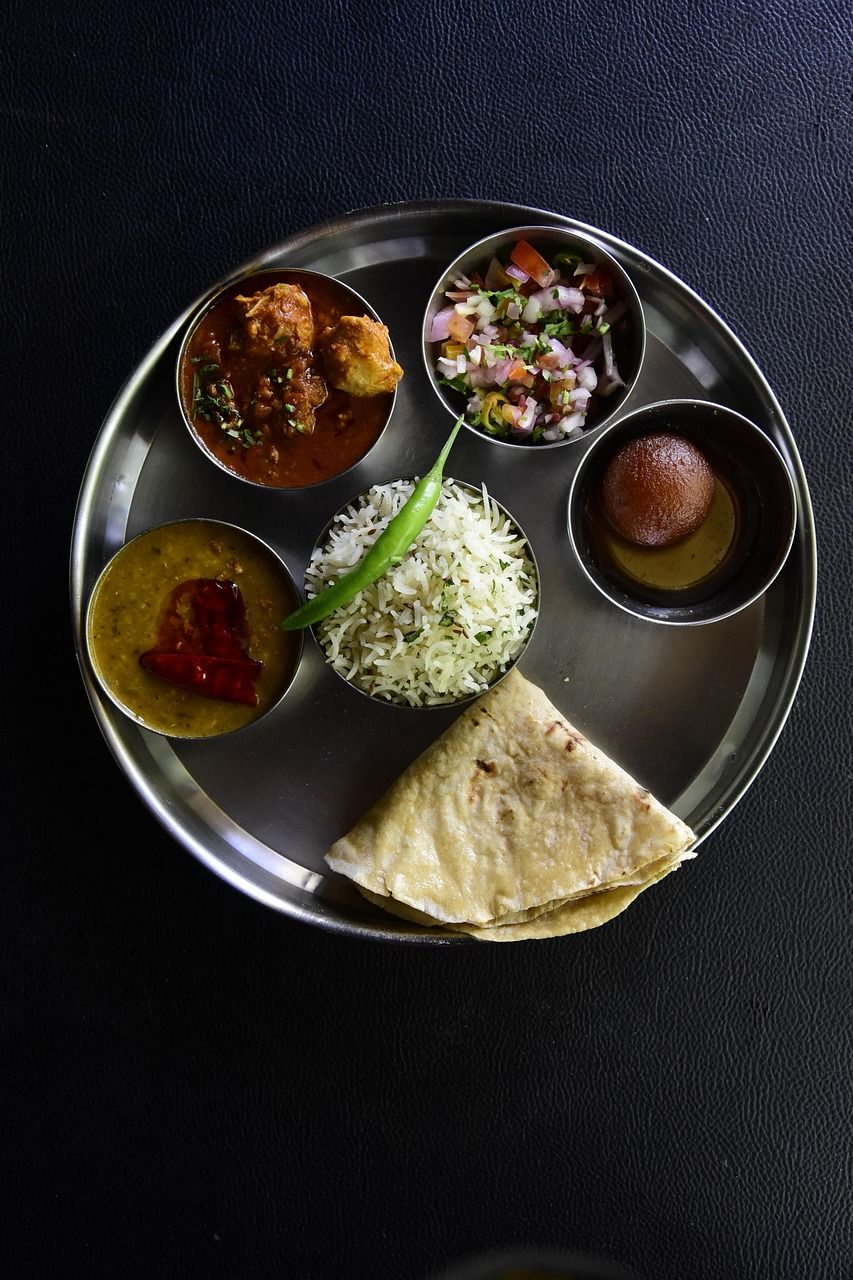
Lunch in India is often the largest meal of the day, frequently revolving around a large portion of white rice. While rice is a great source of energy, a massive heap of it can lead to a post-lunch slump, often referred to as food coma. To fuel for boosting your afternoon performance, focus on the 2:1:1 rule. Fill half your plate with vegetables (sabzi or salad), one quarter with protein (dal, paneer, or lean meat), and the remaining quarter with complex carbs (multigrain roti or brown rice). Adding a small spoonful of Desi Ghee can actually help. Ghee contains medium-chain fatty acids that provide an immediate source of energy and help in the absorption of fat-soluble vitamins.
The Role of Sattu: The Poor Mans Protein
One of the most underrated fuels in the Indian diet is Sattu. Made from roasted gram flour, Sattu is a cooling, high-protein, and high-fiber ingredient. Mixing two tablespoons of Sattu in water with a bit of lemon and black salt creates an instant energy drink that beats any caffeinated soda. It provides sustained energy without the sugar spike, making it an ideal fuel for those who have long commutes or physically demanding jobs.
Ancient Indian Superfoods for a Natural Boost
Our traditional pantry is filled with ingredients that act as natural catalysts for energy. Ashwagandha, an adaptogen, helps the body manage stress, which is often the biggest drain on our energy reserves. Adding a small amount to warm milk at night can help you wake up feeling more refreshed. Similarly, Turmeric (haldi) combined with black pepper helps reduce systemic inflammation, allowing your body to use its energy for tasks rather than fighting internal stress. Do not forget the power of Amla. Its high Vitamin C content aids in iron absorption, and since iron is responsible for carrying oxygen to your cells, it is vital for feeling awake and alert.
Hydration: The Forgotten Fuel
Often, when we feel tired, we are not actually hungry; we are dehydrated. In the heat of the Indian summer or even in air-conditioned offices, we lose moisture constantly. Dehydration thickens the blood, making the heart work harder and leaving you exhausted. To fuel for boosting your stamina, plain water is the gold standard. However, Indian alternatives like tender coconut water or buttermilk (chaas) are even better. They provide essential electrolytes like potassium and magnesium, which are necessary for muscle function and neural signaling. Avoid excessive Masala Chai or coffee, as the caffeine can provide a temporary spike followed by a significant crash.
Smart Snacking for Sustained Focus
The 4 PM hunger pang is where most people fail their nutrition goals. Reaching for samosas, biscuits, or sugary tea will give you a 30-minute high followed by an evening of irritability. Instead, keep a jar of roasted Makhana (fox nuts) or roasted Chana at your desk. These are high in fiber and protein, providing a crunch that satisfies the mind and nutrients that fuel the body. A handful of walnuts or a piece of seasonal fruit like a banana or an orange can also provide the natural sugars needed to power through the final hours of work.
Pre-Workout and Physical Fueling
If your goal is to fuel for boosting physical performance at the gym or during a morning run, timing is everything. Eating a heavy meal right before exercise will lead to indigestion. Instead, opt for a small, carb-rich snack 30 to 45 minutes before your session. A banana is the perfect portable fuel. For those needing a more significant boost, a slice of whole-wheat bread with a thin layer of peanut butter provides the necessary balance of fats and carbs to sustain a high-intensity workout.
The Importance of Recovery and Nighttime Fueling
Fueling doesn't stop when the sun goes down. Your body requires specific nutrients to repair tissues and consolidate memories while you sleep. A light dinner consisting of Moong Dal Khichdi or a bowl of vegetable soup ensures that your digestive system isn't overworked during the night. High-quality sleep is the ultimate energy booster. If your body is busy digesting a heavy, oily dinner, you will likely wake up feeling groggy, regardless of how many hours you slept. Aim to finish your last meal at least two to three hours before bed to allow your metabolism to settle.
Consistency Over Perfection
The secret to mastering how to fuel for boosting your life is consistency. You do not need to follow a rigid, expensive diet plan. By making small, mindful swaps—brown rice for white, jaggery for refined sugar, and whole fruits for juices—you create a sustainable environment for high energy. Listen to your body’s signals. If you feel a dip in energy, analyze your last meal. Was it too heavy? Did you drink enough water? Over time, you will develop an intuitive understanding of what fuels you best.
Conclusion
Boosting your energy is a holistic process that combines traditional Indian dietary wisdom with modern nutritional science. By prioritizing complex carbohydrates in the morning, maintaining a balanced plate at lunch, and utilizing local superfoods like Sattu and Ghee, you can maintain high energy levels throughout the day. Remember that your body is a high-performance machine; what you put into it directly dictates what you get out of it. Start today by making one small change to your meal plan, and feel the difference in your daily drive and focus.
What is the best Indian snack for an instant energy boost?
Roasted Makhana or a handful of roasted Chana are excellent. They provide a mix of protein and complex carbohydrates that give you a steady energy lift without the sugar crash associated with biscuits or sweets.
Can drinking tea help in fueling for boosting energy?
While a cup of Masala Chai can provide a temporary caffeine boost, it is often accompanied by high sugar. For long-term energy, it is better to rely on hydration through water, coconut water, or buttermilk, using tea only in moderation.
Is Desi Ghee actually good for energy?
Yes, in moderation. Ghee contains healthy fats and medium-chain triglycerides that are processed by the liver as an immediate energy source. It also helps your body absorb vital nutrients from your vegetables.
What should I eat for breakfast to avoid feeling tired by noon?
Focus on a combination of fiber and protein. Vegetable Poha with peanuts, Moong Dal Chilla, or a couple of Idlis with sambar are great options that provide sustained energy release.


