

The Joy of Growing Your Own Tomatoes in India
There is something uniquely satisfying about walking to your balcony or terrace and picking a bright red, sun-ripened tomato for your evening salad or morning poha. For many people living in bustling Indian cities like Bangalore, Mumbai, or Delhi, the idea of having a kitchen garden seems like a distant dream due to space constraints. However, learning how to grow tomatoes on a balcony or a small terrace is surprisingly simple and deeply rewarding. Tomatoes are versatile, relatively hardy, and perfectly suited for the Indian climate. In this guide, we will explore everything you need to know to transition from buying chemically-treated market tomatoes to harvesting your own organic produce right at home.
Choosing the Right Variety for Indian Homes
Before you get your hands dirty, you must understand that not all tomatoes are the same. In the Indian context, you generally choose between Desi varieties and hybrid varieties. Desi tomatoes are usually more acidic and juicy, making them perfect for traditional Indian gravies and rasam. Hybrid varieties, on the other hand, are often firmer and have a longer shelf life. When considering how to grow tomatoes on a balcony, you also need to decide between determinate and indeterminate types.
Determinate vs. Indeterminate Tomatoes
Determinate tomatoes are bush-like and grow to a certain height, usually around three to four feet. They produce all their fruit at once, which is great if you want to make a large batch of tomato chutney. Indeterminate varieties are vining types that continue to grow and produce fruit throughout the season. For Indian terraces where vertical space can be utilized, indeterminate varieties like cherry tomatoes are often the most popular choice because they provide a steady supply of fruit for several months.
The Best Season to Grow Tomatoes in India
While tomatoes can technically be grown year-round in many parts of India, timing your planting can significantly impact your success. The ideal temperature for tomato growth is between 20 degrees Celsius and 30 degrees Celsius. In North India, the best time to start is during the winter months, typically sowing seeds in October or November. In South and West India, where the climate is more moderate, you can grow them during the monsoon or winter. Avoid the peak of summer (May and June) in extremely hot regions, as the high heat can cause the flowers to drop without setting fruit.
Preparing the Perfect Potting Mix
Success starts with the soil. Tomatoes are heavy feeders, meaning they need a lot of nutrients to produce those juicy fruits. If you are learning how to grow tomatoes on a terrace, you cannot use regular garden soil alone, as it becomes too heavy and compacted in pots. A well-draining, nutrient-rich potting mix is essential.
- 40 percent Cocopeat or Coir Pith: This helps retain moisture without making the roots soggy.
- 30 percent Vermicompost or Aged Cow Manure: This provides the essential nitrogen and microbial life your plants need.
- 20 percent Regular Garden Soil: This adds structure and essential minerals.
- 10 percent Perlite or Fine Sand: This ensures excellent drainage.
- Optional: Add a handful of Neem Cake powder to protect the roots from soil-borne pests and fungi.
Selecting Containers and Pots
The container size is one of the most overlooked factors when people research how to grow tomatoes on a small scale. For a single tomato plant, you need a pot that is at least 12 inches deep and 12 inches wide. 5-gallon buckets or large grow bags are excellent choices for Indian households. Ensure that the pots have at least two or three drainage holes at the bottom. Tomatoes hate standing water, which can lead to root rot almost overnight in the humid Indian climate.
Sowing Seeds and Transplanting
It is usually better to start your tomatoes in a seedling tray rather than sowing them directly into the main pot. Fill the tray with cocopeat and sow the seeds about half an inch deep. Keep the tray in a warm, shaded area and mist it regularly with water. Within 7 to 10 days, you will see tiny green sprouts appearing. Once the seedlings have at least four true leaves and are about 4 to 6 inches tall, they are ready to be moved to their permanent home. When transplanting, bury the stem a little deeper than it was in the tray. Tomatoes have the unique ability to grow extra roots from their stems, which leads to a much stronger and more stable plant.
Sunlight and Watering Requirements
Tomatoes are sun-lovers. To get a good harvest, your balcony or terrace must receive at least 6 to 8 hours of direct sunlight daily. If you have a north-facing balcony with very little sun, you might find that your plants grow tall and lanky but produce very few tomatoes. When it comes to watering, consistency is the golden rule. In the Indian heat, the soil in pots can dry out very quickly. Check the soil every morning; if the top inch feels dry, it is time to water. Always water the base of the plant and avoid getting water on the leaves, as wet foliage is an invitation for fungal diseases like powdery mildew.
Staking and Support
As your tomato plants grow, they will become heavy with fruit. If you do not provide support, the stems might snap under the weight or sprawl on the ground, making them susceptible to pests. Use bamboo sticks, PVC pipes, or specialized tomato cages to keep the plants upright. For those wondering how to grow tomatoes on a balcony with limited floor space, vertical gardening is the answer. You can use nylon strings to train the vines to grow upward along the railing or a trellis, maximizing your yield per square foot.
Feeding Your Plants: Organic Fertilizers
Once your plant starts flowering, its nutritional needs change. While nitrogen was important for leaf growth, it now needs more phosphorus and potassium for fruit production. In India, you can easily find organic options like seaweed extract, bone meal, or banana peel liquid fertilizer. Applying a handful of fresh vermicompost every 15 days will also keep the soil fertile. Another traditional Indian method is using diluted fermented curd or buttermilk, which acts as both a fertilizer and a mild fungicide.
Common Pests and Diseases in India
Gardening in India comes with its fair share of challenges, mostly in the form of pests. Leaf miners, whiteflies, and aphids are common visitors. The best organic defense is Neem Oil. Mix 5ml of Neem Oil with a few drops of liquid soap in a liter of water and spray it on your plants once a week as a preventive measure. If you notice dark spots on the bottom of your tomatoes, it is likely Blossom End Rot, which is usually caused by a calcium deficiency or irregular watering. Adding eggshell powder to the soil can help prevent this.
Harvesting Your Home-Grown Tomatoes
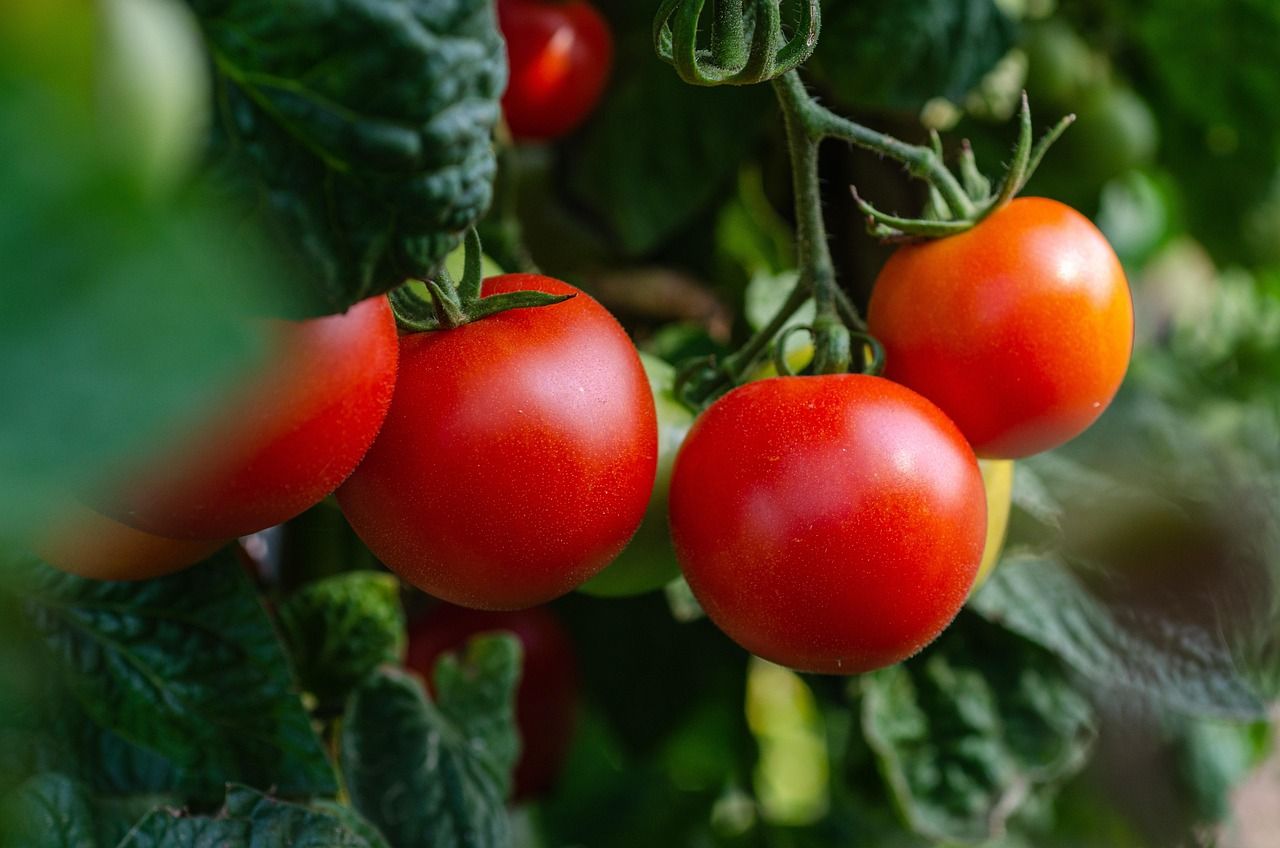
The moment of truth arrives when the green fruits start turning shades of orange and finally a deep, vibrant red. It is best to harvest tomatoes when they are fully colored but still firm. If you have a bird problem on your terrace, you can pick them when they are just starting to turn orange (the breaker stage) and let them ripen on your kitchen counter. They will still have that incredible homegrown flavor that no store-bought tomato can match.
Conclusion
Learning how to grow tomatoes on a balcony or terrace is a journey of patience and observation. It connects you with the cycle of nature and provides your family with nutrition that is free from harmful pesticides. While the first few attempts might bring challenges, the sight of those first red fruits hanging from your vines makes every bit of effort worth it. Start small, use good quality seeds, and soon you will be the proud owner of a flourishing urban tomato garden.
How much sunlight do tomatoes need in India?
Tomato plants require a minimum of 6 to 8 hours of direct sunlight daily. In very hot Indian summers, you might need to use a green shade net to protect them from the harsh afternoon sun to prevent leaf burn.
Can I grow tomatoes in plastic bottles?
While you can start seedlings in bottles, a full-grown tomato plant needs a container at least 12 inches deep to accommodate its root system. Small bottles will restrict growth and result in very few, small fruits.
Why are the flowers falling off my tomato plant?
Flower drop usually happens due to extreme temperature fluctuations, over-watering, or a lack of pollination. On a balcony, you can gently shake the flowering branches to help with self-pollination.
How often should I fertilize my tomato plants?
You should add a handful of organic compost like vermicompost every 15 to 20 days. Once the plant starts flowering, using a potassium-rich liquid fertilizer every two weeks will help in better fruit set.
Which month is best for tomato seeds in India?
The most popular time to sow tomato seeds is from September to November for a winter harvest. However, in regions with mild summers, a second crop can be started in February or March.


