

Navigating the Emotional Storm
In the vibrant and often high-pressure environment of modern India, experiencing a significant life setback like a heartbreak can feel particularly isolating. Whether you are dealing with the end of a long-term relationship, a broken engagement, or the loss of a close connection, the question of how to heal after a major emotional blow is one that many of us face in silence. We live in a society where our personal lives are often intertwined with family expectations and social standing, making the healing process feel like an uphill battle against both our internal grief and external pressures.
Healing is not a destination but a deeply personal journey. It requires patience, self-compassion, and a willingness to confront the pain rather than masking it behind a busy schedule or social obligations. This guide is designed to help you navigate this difficult transition with practical steps tailored to our unique cultural context, ensuring you emerge stronger and more self-aware.
Acknowledge the Pain Without Judgment
The first and most crucial step in how to heal after a heartbreak is to acknowledge that your pain is valid. In many Indian households, there is an unspoken rule to stay strong and keep moving. You might hear elders or peers telling you to get over it or suggesting that there are plenty of other opportunities ahead. While well-intentioned, these comments can make you feel as though your grief is an inconvenience.
Allow yourself to feel the weight of the loss. Crying is not a sign of weakness; it is a necessary release of pent-up emotional energy. Whether you need to sit in silence, write in a journal, or talk to a trusted friend, give yourself the permission to grieve. Recognizing that it is okay not to be okay is the foundation upon which your recovery will be built.
The Power of the No Contact Rule
In our hyper-connected digital world, one of the biggest hurdles to healing is the constant accessibility of the person you are trying to move on from. To truly understand how to heal after a breakup, one must embrace the concept of digital boundaries. Seeing an ex-partner’s updates on Instagram or checking their WhatsApp last seen status only reopens the wound.
Implementing a period of no contact is essential. This means unfollowing or muting their profiles and resisting the urge to send that late-night text. This is not about being petty; it is about creating a safe mental space where you are not constantly reminded of what you have lost. In India, where mutual friend groups are common, you may also need to temporarily distance yourself from certain social circles or politely ask friends not to share updates about the other person.
Managing the Social Pressure of Log Kya Kahenge
One of the most unique challenges for Indians is the societal pressure often summarized by the phrase log kya kahenge or what will people say. When a relationship ends, especially one that was known to the family or community, the fear of judgment can be overwhelming. You might worry about your reputation or how your parents will explain the situation to relatives.
To heal effectively, you must learn to separate your self-worth from societal expectations. Your life is not a performance for the neighborhood or your extended family. Focus on your internal peace rather than external perceptions. If relatives ask intrusive questions, prepare a simple, firm response such as I am focusing on my personal growth right now and would prefer not to discuss the details. Setting these boundaries is vital for your mental hygiene.
Reconnecting with Your Roots and Rituals
The Indian lifestyle offers several traditional tools that can be immensely helpful during the healing process. Incorporating holistic practices can provide a sense of grounding when your world feels chaotic.
- Yoga and Pranayama: Physical movement combined with breathwork can help regulate the nervous system, which is often in a state of high alert after emotional trauma.
- Sattvic Nutrition: While it is tempting to turn to comfort foods or skip meals, nourishing your body with fresh, home-cooked meals can improve your mood and energy levels.
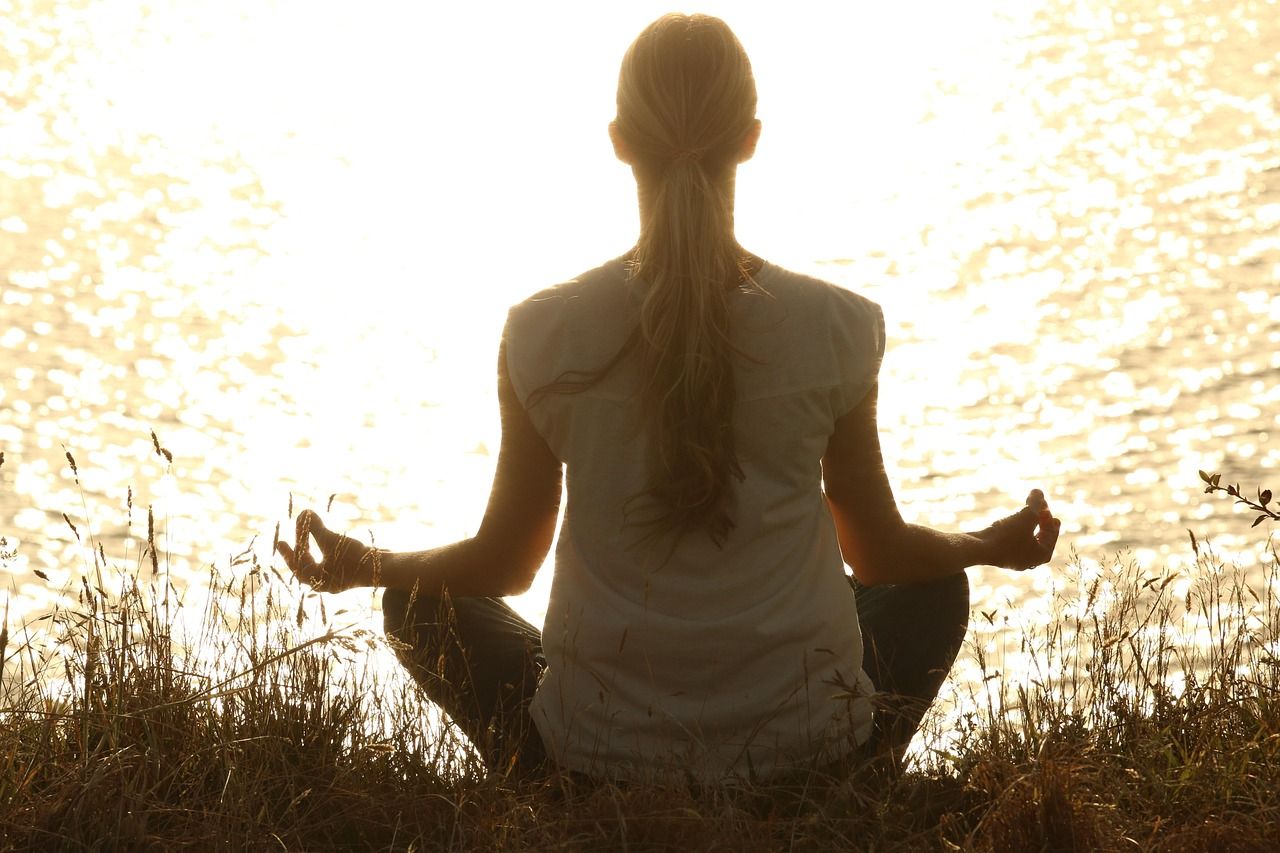
- Mindfulness in Nature: Spending time in a local park or simply sitting on your balcony at dawn can help you reconnect with the present moment.
These practices are not just about physical health; they are about reclaiming your body and mind from the grip of sadness.
Rediscovering Your Individual Identity
When we are in a relationship, our identity often becomes merged with another person. We start liking their favorite movies, eating at their favorite restaurants, and planning our future around their goals. After the split, you might feel a sense of loss not just for the person, but for yourself. A major part of how to heal after a loss is the process of self-discovery.
Take this time to explore hobbies that you may have sidelined. Whether it is joining a local pottery class, learning a new language, or traveling to a part of India you have never seen, these activities help you rebuild your sense of self. Remind yourself that you were a whole person before this relationship, and you are still a whole person now. Investing in your own growth is the most productive way to channel your energy.
Seeking Professional Support
While the support of friends and family is invaluable, sometimes the weight of heartbreak requires professional intervention. In India, the stigma surrounding mental health is gradually fading, and more people are recognizing the benefits of therapy. Talking to a therapist or counselor can provide you with objective tools to process your emotions and break unhealthy patterns of thought.
A therapist can help you navigate the complexities of grief and provide a safe space where you don’t have to worry about family dynamics or social repercussions. If you find that your sadness is preventing you from performing daily tasks or if you feel a persistent sense of hopelessness, seeking help is a courageous and necessary step toward recovery.
Building a New Future
Healing is not about erasing the past; it is about integrating the experience into your life story and moving forward with wisdom. Every challenge we face offers lessons about our boundaries, our needs, and our resilience. As you move through the stages of healing, you will find that the sharp edges of the pain begin to soften. You will start to have more good days than bad ones, and eventually, the memories will no longer hold the power to hurt you.
Remember that there is no timeline for healing. Do not rush yourself or compare your progress to others. The goal is to reach a place of peace where you can look back with gratitude for the lessons learned and look forward with hope for the new chapters yet to be written. Your heart has an incredible capacity to mend, and with time and care, you will find yourself whole again.
How long does it typically take to heal after a major life setback?
There is no fixed timeline for healing. For some, it may take a few months, while for others, it could take a year or more. The duration depends on the intensity of the connection and your personal coping mechanisms. The key is to be patient with yourself and allow the process to happen naturally.
Is it okay to remain friends with someone after a breakup?
While it is possible in the long run, it is usually advisable to have a period of total distance first. Trying to be friends immediately can hinder your emotional healing and lead to confusion. Only consider a friendship once both parties have completely moved on and no longer feel romantic pain.
How do I deal with my parents questions about my relationship status?
Be honest but brief. You can tell them that the relationship did not work out and that you need some time to focus on yourself. If they become overbearing, politely explain that talking about it frequently makes it harder for you to move on, and ask for their support in giving you space.
Can new hobbies really help in the healing process?
Yes, hobbies provide a healthy distraction and help you rebuild your individual identity. Engaging in new activities stimulates your brain and can lead to the release of dopamine, which naturally improves your mood and helps you realize that your happiness is not dependent on another person.


