

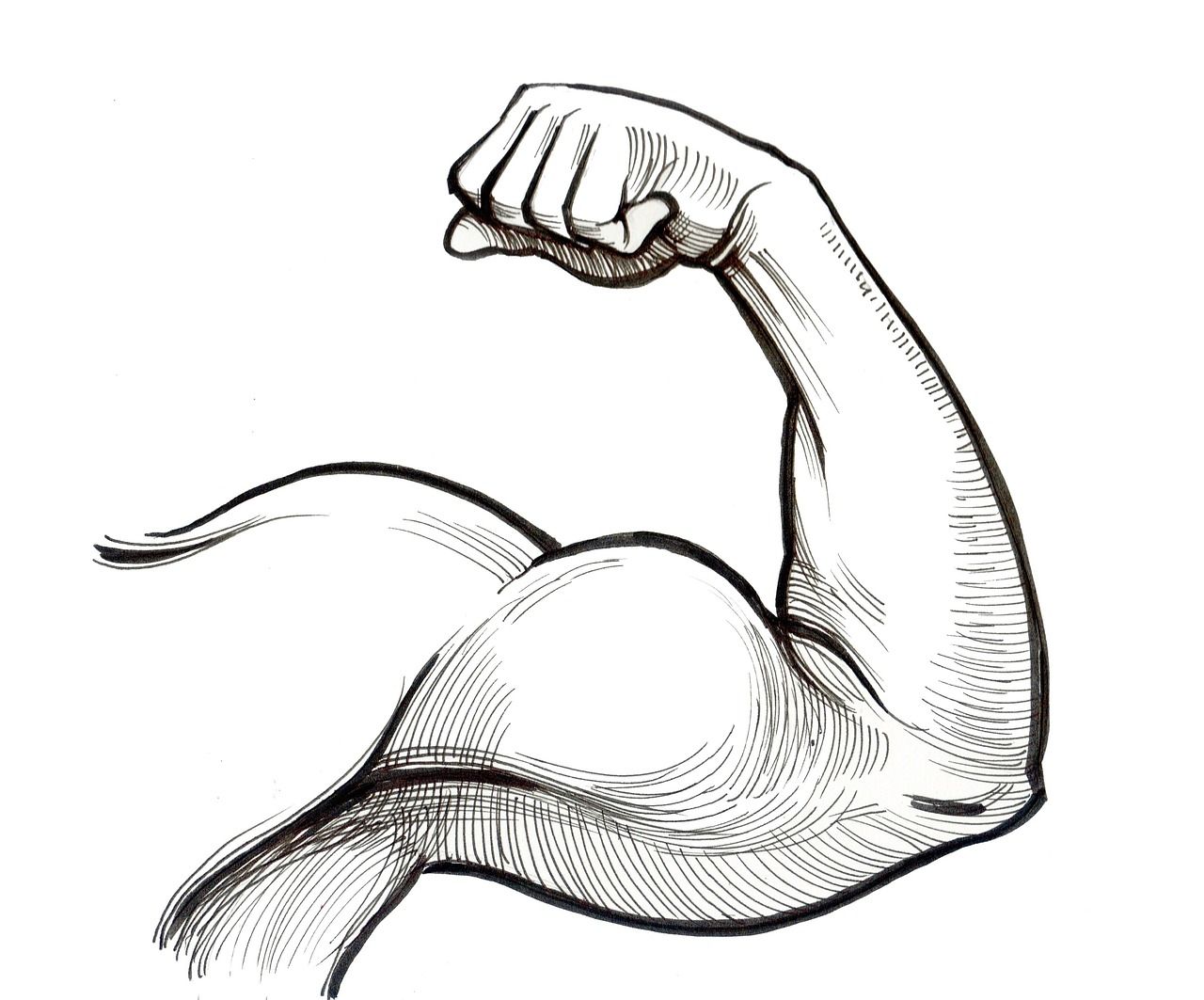
Why Grip Strength is More Than Just a Handshake
Most of us spend hours at the gym focusing on our chest, back, and legs. However, we often overlook the most vital link in our physical chain: our grip. Whether you are an athlete in India trying to master a cricket bat, a fitness enthusiast looking to hit a new deadlift personal record, or even someone carrying heavy grocery bags from the local market, your grip strength determines how well you interact with the physical world. A strong grip is a sign of overall functional health and is often linked to longevity and better cardiovascular health.
Improving your grip is not just about having a firm handshake. It involves strengthening the intricate network of muscles, tendons, and ligaments in your fingers, palms, and forearms. In this comprehensive guide, we will explore the science of grip, practical exercises you can do at home or the gym, and how to maintain hand health for the long term.
Understanding the Three Main Types of Grip
Before we dive into the exercises, it is important to understand that grip is not a single function. It is categorized into three distinct types. To truly improve your grip, you need to train all three.
1. The Crush Grip
This is the grip between your fingers and your palm. Think of the action of squeezing an orange or shaking someone's hand. This is the most common form of grip strength and is heavily utilized in sports and daily chores.
2. The Pinch Grip
This refers to the strength between your fingers and your thumb. You use this when you pick up a plate by its rim or hold a thin object. This type of strength is often neglected but is crucial for fine motor skills and thumb health.
3. The Support Grip
The support grip is your ability to hold onto something for an extended period. This is what you use when carrying heavy shopping bags or holding a heavy barbell during a long set of deadlifts. It is about endurance as much as it is about raw power.
Effective Home Exercises to Improve Your Grip
You do not always need a fancy gym membership to build a crushing grip. Many effective tools are already available in an average Indian household.
The Rice Bucket Method
This is a legendary technique used by wrestlers and cricketers alike. Fill a large bucket or a 'balti' with uncooked rice. Bury your hands deep into the rice and perform various movements: opening and closing your fists, rotating your wrists, and moving your fingers like you are playing a piano. The resistance provided by the rice works every tiny muscle in your hand and forearm.
Towel Wringing
Take an old cotton towel and soak it in water. Grip the towel with both hands and wring it as hard as you can until every drop of water is gone. Then, reverse the direction. This exercise builds incredible rotational strength in the forearms and improves your crush grip.
Newspaper Crumpling
Take a single sheet of an old newspaper. Starting at one corner, use only one hand to crumple the entire sheet into a tiny ball. Do not use your other hand or your body for support. Repeat this until your forearms feel a deep burn. This is a fantastic way to build finger dexterity and endurance.
Water Bottle Holds
If you do not have dumbbells, use two-liter water bottles. Fill them to the top and hold them by the cap using only your fingertips (pinch grip) for as long as possible. As you get stronger, you can fill the bottles with sand to increase the weight.
Gym Exercises for Maximum Grip Power
For those who have access to a gym, you can use specialized equipment to take your grip strength to the next level.
1. The Farmer’s Walk
This is perhaps the most effective exercise for support grip. Pick up the heaviest pair of dumbbells or kettlebells you can handle and walk for 30 to 60 seconds. Keep your shoulders pulled back and your core tight. The constant tension required to keep the weights from slipping out of your hands builds massive forearm strength.
2. Plate Pinches
Take two weight plates (start with 5kg plates) and press them together with the smooth sides facing out. Hold them using only your thumb on one side and your fingers on the other. Stand still and hold them for time. This specifically targets the pinch grip and builds incredible thumb strength.
3. Dead Hangs
Find a pull-up bar and simply hang from it. Do not pull yourself up; just let your body weight pull down while your hands stay locked on the bar. Aim for 30 seconds and gradually work your way up to two minutes. This builds the endurance needed for heavy lifting and climbing.
4. Fat Grip Training
Using a thicker bar makes it much harder to hold on. If your gym does not have thick bars, you can buy rubber 'fat grips' to wrap around standard barbells. This forces your hands to work much harder to maintain a hold, instantly making any pulling exercise a grip-strengthening workout.
Traditional Indian Methods: The Gada and Mudgar
In India, we have a rich history of physical culture centered around the 'Akhada'. Traditional tools like the Gada (mace) and Mudgar (Indian clubs) are exceptional for grip strength. Swinging a Gada requires a very strong dynamic grip, as the weight shifts throughout the movement. The constant adjustment of your hands to balance the weight builds a level of functional strength that modern machines often cannot replicate. If you have access to these traditional tools, incorporating them into your routine can provide unique benefits.
The Importance of Forearm Recovery
Like any other muscle group, the muscles in your hands and forearms need time to recover. Over-training can lead to conditions like tendonitis or carpal tunnel syndrome. Ensure you are following these recovery tips:
- Stretching: After every grip session, stretch your wrists. Extend your arm with the palm facing forward and gently pull your fingers back toward your body. Then, flip your hand so the palm faces you and pull the back of your hand toward you.
- Contrast Baths: Dip your hands in warm water for three minutes, followed by cold water for one minute. This improves blood circulation and speeds up recovery.
- Oil Massage: A traditional Indian mustard oil or coconut oil massage on the forearms and palms can help relax tight muscles and improve flexibility.
- Hydration and Nutrition: Ensure you are getting enough magnesium and potassium in your diet (found in bananas and leafy greens) to prevent cramping in the small muscles of the hand.
How to Progress Your Grip Training
To see continuous improvement, you must apply the principle of progressive overload. This means you should gradually increase the difficulty of your exercises. If you can hang from a bar for 60 seconds, try 70 seconds next time. If you are pinching two 5kg plates, try moving up to a 10kg plate. Consistency is the key. Aim to train your grip at least two to three times a week, ideally at the end of your regular workout sessions so that your hands are not too tired for your main lifts.
Conclusion
Improving your grip is a journey that pays dividends in all areas of life. From better performance in the gym and sports to preventing injuries as you age, a strong set of hands is a foundation for a healthy body. Start with the simple home exercises like towel wringing or the rice bucket, and gradually move into heavy gym lifts like the farmer's walk. Be patient, stay consistent, and soon you will find that no task is too heavy to handle. Your hands are your primary tools; take the time to make them as strong as possible.
How long does it take to see improvements in grip strength?
With consistent training three times a week, most people notice a significant difference in their grip endurance within 4 to 6 weeks. However, building raw crushing power can take several months of progressive overload.
Can I train my grip every day?
It is not recommended to train grip every day because the tendons in the hand and wrist take longer to recover than larger muscles. Training every other day or three times a week is usually sufficient for most people.
Is grip strength related to heart health?
Yes, several medical studies have shown a strong correlation between grip strength and cardiovascular health. A weak grip is often used by doctors as a biomarker for potential heart issues and overall muscle loss in older adults.
Which sports benefit the most from a strong grip?
Sports such as cricket, badminton, rock climbing, wrestling, and weightlifting rely heavily on grip strength. Even in sports like tennis or golf, a better grip allows for more control and power during the swing.


