

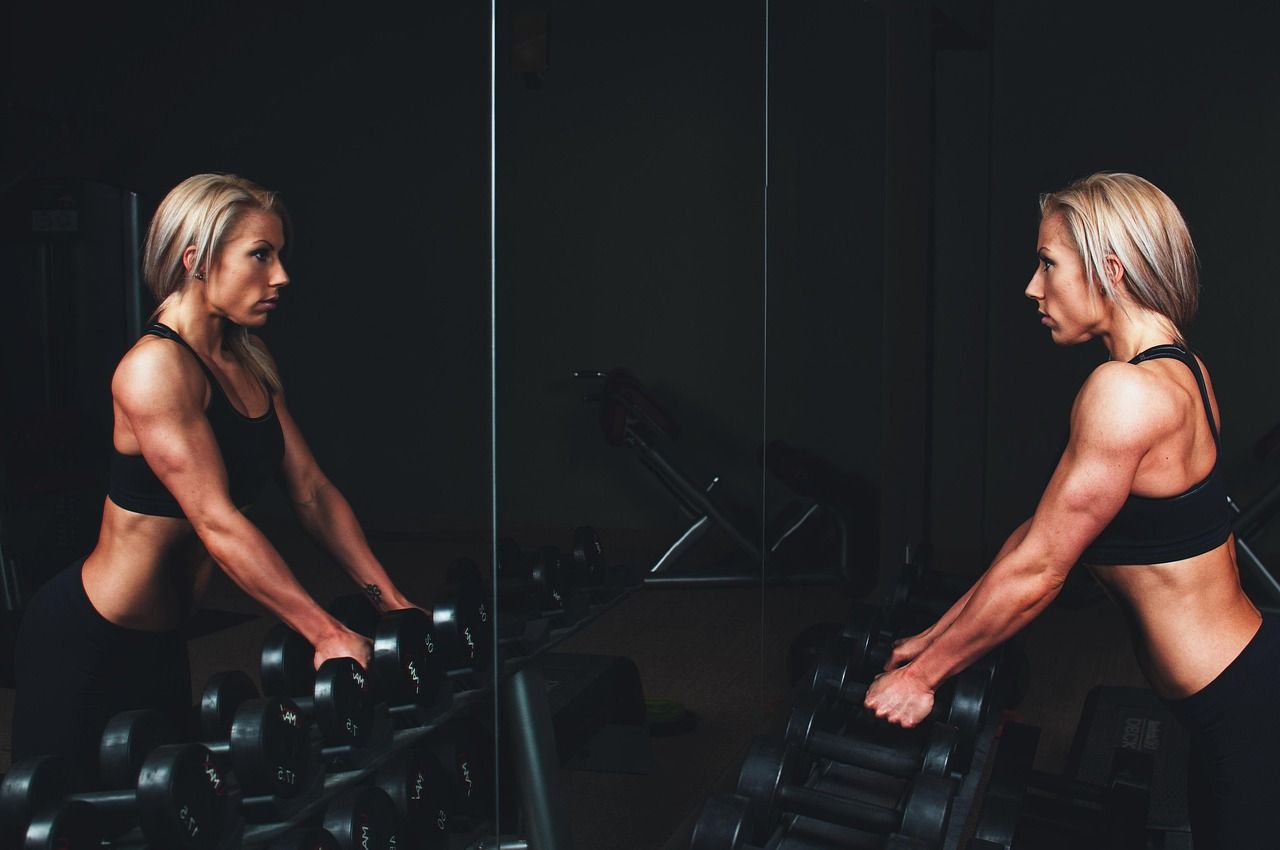
The Journey to Building a Better Physique in India
In recent years, the fitness culture in India has exploded. From the bustling streets of Mumbai to the quiet corners of small towns, everyone is asking the same question: how to get a body that looks good and feels even better. Whether you are inspired by Bollywood stars or the growing number of fitness influencers on social media, the desire to transform your physique is a powerful motivator. However, getting a body is not just about spending hours in the gym. It requires a strategic blend of nutrition, structured training, and a lifestyle that fits the unique challenges of the Indian environment.
Building a body is a marathon, not a sprint. In an Indian context, we often face challenges like high-carb traditional diets, busy work schedules, and a climate that can sometimes make outdoor exercise difficult. But with the right approach, anyone can achieve a fit and aesthetic physique. This guide will break down the essential steps to help you transform your body while keeping the Indian lifestyle in mind.
Step 1: Master Your Nutrition with an Indian Twist
When people ask how to get a body, the answer usually starts in the kitchen. In the Indian fitness community, there is a saying that a great body is 70 percent diet and 30 percent exercise. Our traditional meals are often rich in carbohydrates like rice and roti but can be lacking in the protein necessary for muscle repair and growth.
The Protein Priority
Protein is the building block of muscle. If you want a toned or muscular look, you must increase your protein intake. For the average person looking to build muscle, aiming for 1.2 to 1.6 grams of protein per kilogram of body weight is a good starting point. If you are vegetarian, focus on sources like paneer, soya chunks, Greek yogurt, lentils, and chickpeas. For non-vegetarians, chicken breast, eggs, and fish are excellent staples. Soya chunks are particularly useful in India as they are affordable and have a very high protein-to-calorie ratio.
Managing Carbs and Fats
You do not need to give up roti or rice to get a body. Carbs are your body's primary energy source. The key is portion control. Instead of eating four rotis, try having two and increasing the bowl of dal or sabzi. Replace refined oils with healthier options like ghee in moderation or mustard oil. Avoid the hidden calories in sweets, deep-fried snacks like samosas, and sugary beverages which are common in Indian social gatherings.
Hydration in the Indian Climate
Given the heat in most parts of India, staying hydrated is crucial. Dehydration can lead to poor performance in the gym and slower recovery. Aim for at least 3 to 4 liters of water a day. If you are training intensely, coconut water is a fantastic natural electrolyte to keep you going.
Step 2: Designing an Effective Workout Routine
To get a body that stands out, you need to provide your muscles with a reason to grow. This is where resistance training comes in. Many beginners make the mistake of focusing only on cardio, but cardio alone will not give you the muscular definition most people desire.
Strength Training
Whether you join a gym or work out at home with dumbbells, you must focus on compound movements. These are exercises that work multiple muscle groups at once. Focus on squats, deadlifts, bench presses, overhead presses, and rows. In India, many local gyms or 'akhadas' have long promoted bodyweight movements like push-ups and 'baithaks' (squats), which are incredibly effective for building a foundation.
The Concept of Progressive Overload
You cannot do the same thing every day and expect different results. To get a body that continuously improves, you must practice progressive overload. This means gradually increasing the weight, frequency, or number of repetitions in your strength training routine. Keep a small notebook or use a mobile app to track your lifts and ensure you are doing more than you did last month.
Cardio for Fat Loss
Cardio is essential for heart health and for burning extra calories. You do not need to spend an hour on the treadmill. Brisk walking for 30 minutes every morning or evening, playing a sport like cricket or football, or even traditional Indian dance forms can help you stay in a calorie deficit if your goal is fat loss.
Step 3: Recovery and the Power of Sleep
Many people fail to get a body because they overtrain and undersleep. Your muscles do not grow while you are working out; they grow while you are resting. In a fast-paced country like India, where long commutes and late-night work calls are common, sleep is often the first thing sacrificed.
The 7 to 9 Hour Rule
Aim for at least 7 to 9 hours of quality sleep every night. During sleep, your body releases growth hormones that repair the tissues damaged during your workout. Lack of sleep also increases cortisol, a stress hormone that can lead to fat storage around the midsection.
Active Recovery
On your rest days, do not remain completely sedentary. Go for a light walk, do some stretching, or practice yoga. Yoga is an excellent complement to weight training as it improves flexibility and mental focus, both of which are vital for long-term fitness success.
Step 4: Consistency Over Perfection
The most important factor in how to get a body is consistency. You will not see results in a week or even a month. It takes several months of dedicated effort to see a noticeable transformation. In the Indian context, festivals and family functions can often derail your routine. The key is not to be perfect but to be consistent.
Dealing with Festivals and Weddings
India is a land of celebrations. You don't have to skip the festivities, but you should have a plan. Eat a protein-rich meal before going to a wedding so you aren't starving when you see the buffet. Enjoy the sweets in small portions and get back to your routine the very next day. One 'cheat meal' won't ruin your progress, just as one healthy meal won't make you fit.
Step 5: Supplements - Are They Necessary?
There is a lot of misinformation regarding supplements in India. Many people believe that protein powder is 'unnatural' or 'dangerous.' In reality, whey protein is simply a byproduct of milk and is a convenient way to meet your protein targets.
Common Supplements for Indians
Aside from whey protein, you might consider Creatine Monohydrate, which is one of the most researched and effective supplements for increasing strength and muscle mass. Multivitamins and Fish Oil are also beneficial if your diet lacks variety. However, remember that supplements are meant to supplement a good diet, not replace it. Focus on real food first.
Conclusion: Your Path Forward
Learning how to get a body is about understanding that your physical health is a lifelong commitment. By prioritizing protein in your Indian meals, training with intensity, resting well, and staying consistent through the ups and downs of life, you can transform your physique. Stop looking for shortcuts or magic pills. The process is simple, but it requires hard work and patience. Start today, take one meal and one workout at a time, and the results will follow.
Can I get a good body with only Indian home food?
Yes, you can absolutely build a great physique with Indian home food. The key is to balance your macros by increasing the portion of protein-rich foods like dal, paneer, and eggs while controlling the amount of rotis, rice, and fried items. Adding a whey protein supplement can also help if you find it hard to meet your protein goals through meals alone.
How long does it take to see visible results?
Usually, it takes about 8 to 12 weeks of consistent training and proper nutrition to see visible changes in your body. Significant transformations, such as building substantial muscle or losing a large amount of fat, typically take 6 months to a year of dedicated effort.
Is it possible to get a body without going to the gym?
Yes, you can get a fit body using bodyweight exercises like push-ups, pull-ups, squats, and lunges at home. However, as you get stronger, you will need to add resistance in the form of resistance bands or dumbbells to continue making progress through progressive overload.
Do I need to stop eating ghee and butter to get fit?
You do not need to stop eating ghee and butter entirely, as they contain healthy fats and fat-soluble vitamins. However, they are very high in calories, so you must consume them in moderation. A teaspoon of ghee on your dal or roti is fine, but avoid deep-frying food in it if your goal is weight loss.


