

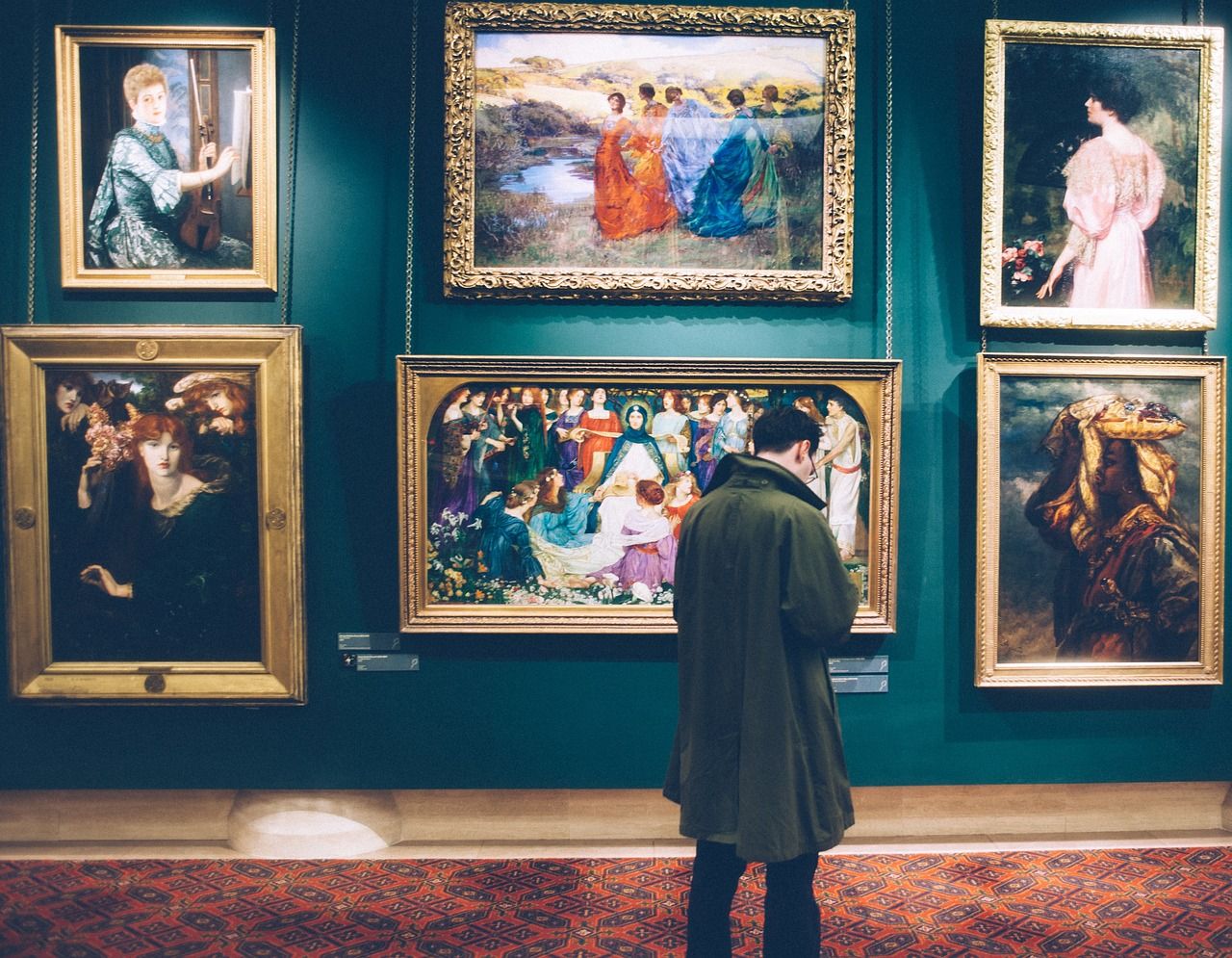
Transforming Your Walls with a Gallery of How to Frame Everything Beautifully
In every Indian household, walls are more than just structural boundaries; they are canvases that hold our most cherished memories. From vibrant Madhubani paintings and intricate Tanjore art to your child’s first drawing or a stunning wedding portrait, the way you present these pieces matters. If you have been searching for a comprehensive gallery of how to frame various types of art and memorabilia, you have come to the right place. Framing is an art form in itself, balancing aesthetics with protection, and understanding the nuances can elevate your home decor from ordinary to extraordinary.
The process of framing can often feel overwhelming. With so many choices in materials, glass types, and mounting styles, many people simply opt for the most basic option at the local frame shop. However, taking the time to understand the options within this gallery of how to frame will help you preserve your investments and create a visually stunning environment that reflects your personal style. Whether you are living in a modern apartment in Bangalore or a traditional home in Jaipur, these principles of framing remain timeless and essential.
Understanding Frame Materials for the Indian Climate
Before diving into the aesthetics, it is crucial to consider the durability of materials, especially given the diverse Indian climate. Humidity and dust are the two biggest enemies of framed art in our country. When browsing through a gallery of how to frame, you will notice three primary materials dominating the market: wood, metal, and synthetic polymers.
Wooden Frames
Traditional wooden frames remain a favorite for their warmth and organic feel. In India, teak, sheesham, and mango wood are popular choices. Solid wood is incredibly durable and can be carved into intricate patterns suitable for traditional Indian art. However, in coastal areas with high humidity, untreated wood can warp. It is always advisable to ensure your wooden frames are properly seasoned and treated for termites.
Synthetic and MDF Frames
For those on a budget or looking for lightweight options, synthetic frames made of polystyrene or MDF (Medium Density Fiberboard) are widely available. These are excellent for smaller photo prints or temporary displays. They are resistant to moisture, making them a practical choice for bathrooms or kitchens where steam might be an issue. However, they lack the premium feel and longevity of solid wood.
Metal Frames
If your home features a contemporary or industrial interior design, metal frames—usually made of aluminum—offer a sleek, minimalist look. They are incredibly strong and can support large pieces of glass without bending. They are also very easy to clean, which is a major plus in dusty urban environments.
The Gallery of How to Frame: A Step-by-Step Approach
Creating a beautiful display involves more than just putting a picture behind glass. Let us walk through the essential components that make up a professional-looking frame.
Step 1: Selecting the Right Mount or Matting
The mount, or mat, is the border that sits between the artwork and the frame. In any professional gallery of how to frame, you will see that matting serves two purposes: it provides a visual breathing space for the art and prevents the glass from touching the surface of the work. For Indian textiles like silk sari borders or hand-painted scrolls, a deep mount is essential to prevent moisture buildup and sticking. Acid-free mats are a must if you want to prevent your photos from yellowing over time.
Step 2: Choosing the Glass
The type of glass you choose significantly impacts how the art is viewed. Plain clear glass is the standard, but it can be highly reflective, especially in bright Indian rooms with large windows. Non-reflective or anti-glare glass is a better option for rooms with high light exposure. Furthermore, if you are framing something of high value, like an original painting, consider UV-protective glass to prevent the colors from fading under sunlight.
Step 3: The Backing and Sealing
The back of the frame is just as important as the front. Use a sturdy backing board to keep the art flat. In India, it is common practice to seal the back of the frame with brown paper tape. This is not just for aesthetics; it prevents dust, tiny insects, and moisture from entering the frame from the rear. This simple step can add years to the life of your framed memories.
How to Frame Different Types of Art
Every piece of art requires a unique approach. This section of our gallery of how to frame covers specific advice for the items most commonly found in Indian homes.
Framing Canvas Paintings
Canvas paintings, such as acrylics or oils, do not necessarily need glass. In fact, most experts recommend against glass for canvas as the paint needs to breathe. A 'floater frame' is a popular modern choice for canvases, where the painting appears to float inside the frame without touching the edges, giving it a very high-end gallery look.
Framing Paper and Prints
Whether it is a digital photograph or a charcoal sketch, paper is delicate. Always use a mat to ensure the paper does not touch the glass. If you are framing a degree or a certificate, choose a classic dark wood frame with a gold or silver inner fillet to add a touch of prestige and importance.
Framing Textiles and Fabrics
Indian homes are often filled with beautiful textiles like Phulkari, Kalamkari, or even antique saris. To frame these, the fabric should be stretched over an acid-free board and secured with stainless steel pins or specialized fabric tape. A box frame (also known as a shadow box) is perfect for textiles, as it provides depth and keeps the fabric from being crushed against the glass.
Layout Strategies for a Gallery Wall
Once you have mastered the art of framing individual pieces, the next step in our gallery of how to frame is learning how to arrange them. A gallery wall is a collection of framed items curated together on a single wall.
- The Symmetrical Grid: Use identical frames and sizes arranged in a perfect grid. This works best for a series of botanical prints or black-and-white family portraits. It brings a sense of order and formality to a living room.
- The Eclectic Mix: Mix different frame styles, colors, and sizes. This is perfect for showcasing a variety of memories. To keep it cohesive, try to maintain a consistent spacing between the frames, usually around 2 to 3 inches.
- The Linear Row: Align frames along a single horizontal or vertical line. This is an excellent way to decorate a hallway or the wall alongside a staircase.
Maintenance Tips for Framed Art in India
Owning a beautiful gallery of framed art comes with the responsibility of maintenance. To keep your frames looking new, follow these simple tips:
- Avoid hanging precious art on exterior-facing walls that get very hot in the summer, as the temperature fluctuation can damage the paper.
- Never spray glass cleaner directly onto the frame. Spray it onto a soft microfiber cloth first, then wipe the glass. This prevents liquid from seeping under the frame edges.
- During the monsoon season, check the back of your frames for any signs of mold or dampness. If you find moisture, move the frame to a drier area immediately.
- Use felt bumpers on the bottom corners of the frame. This allows for a small amount of airflow behind the frame and prevents the wood from leaving marks on your wall paint.
Conclusion
Creating a gallery of how to frame your life’s highlights is a journey of creativity and preservation. By choosing the right materials and following proper techniques, you turn your home into a personal museum that tells your unique story. Whether you are doing it yourself or working with a professional framer, understanding these basics ensures that your art remains protected and beautiful for generations to come. Start small, perhaps with a single family photo, and gradually build your wall until it becomes the centerpiece of your Indian home.
How do I choose the right frame color for my wall?
Generally, you should choose a frame color that complements both the artwork and your wall color. For light-colored walls, dark wood or black frames create a striking contrast. For darker or vibrant walls, gold, silver, or white frames tend to stand out beautifully. Consider the furniture in the room as well to ensure the frames match the overall aesthetic.
Is it cheaper to frame art yourself?
DIY framing can be significantly cheaper if you are using standard-sized frames purchased from retail stores. However, for custom-sized art or valuable pieces that require acid-free materials and UV glass, professional framing is often a better investment to ensure the long-term preservation of the piece.
How high should I hang my framed art?
The standard rule of thumb is to hang art so that the center point is at eye level, which is usually about 57 to 60 inches from the floor. In dining rooms where people are usually seated, you might want to hang the art slightly lower so it can be enjoyed from a seated position.
Can I frame a painting that is still wet?
No, you should never frame a painting until it is completely dry. Oil paintings, in particular, can take months to cure fully. Framing a wet painting can lead to the paint sticking to the glass or matting, causing permanent damage to the artwork.
How can I hang frames without drilling holes?
For those living in rented apartments in India where drilling is restricted, adhesive hanging strips are a great alternative. Ensure the wall surface is clean and dry before application, and always check the weight limit of the strips to match the weight of your framed art.


