

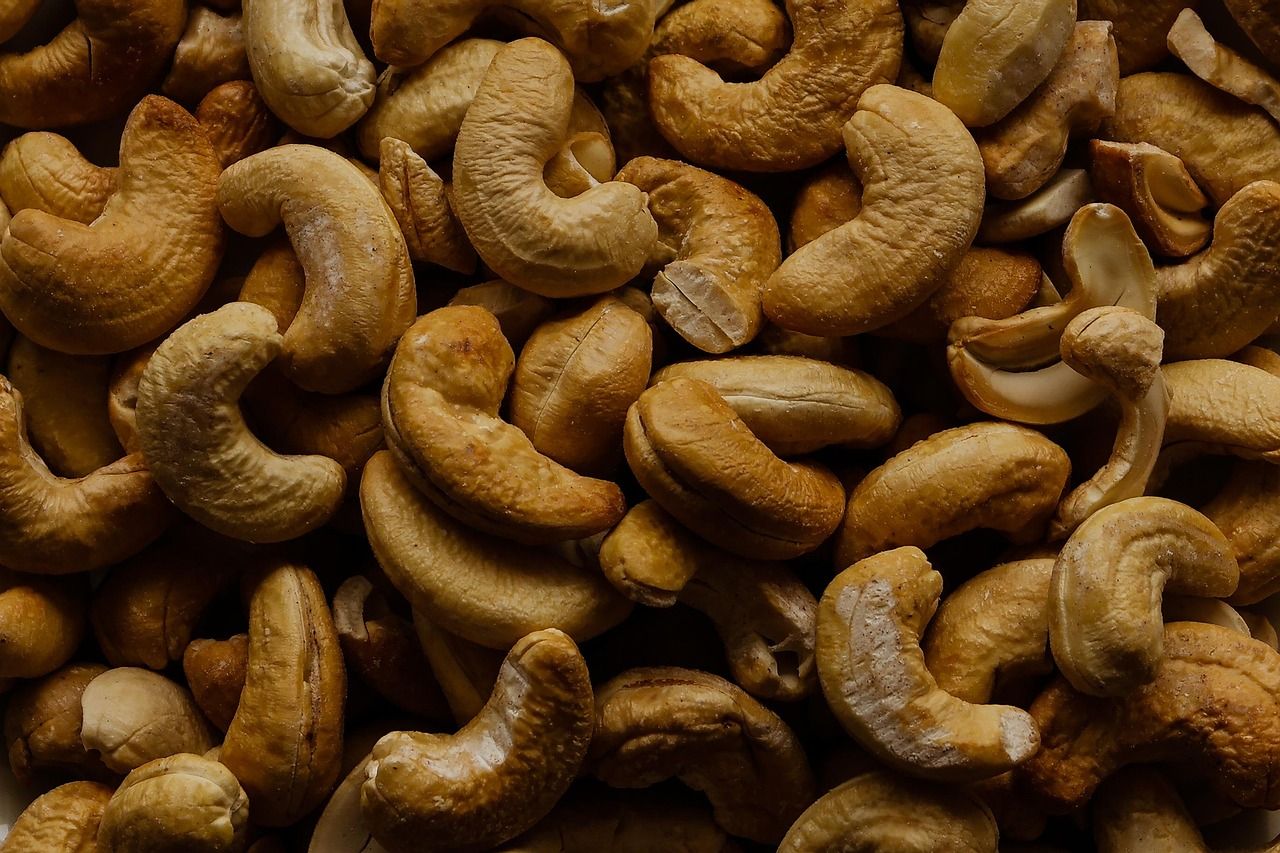
The Art of Making Perfect Homemade Cashews
Cashews, or Kaju as we fondly call them in India, are much more than just a dry fruit. They are a symbol of hospitality, a staple in our festive sweets, and the ultimate companion to a hot cup of masala chai. While it is incredibly easy to pick up a plastic packet of roasted cashews from a local kirana store or a high-end supermarket, there is a distinct joy and a superior taste in learning how to make homemade cashew snacks from scratch. When you prepare them at home, you control the quality of the nuts, the purity of the fat used for roasting, and most importantly, the intensity of the flavors.
In this comprehensive guide, we will explore the nuances of selecting the best raw nuts, the various methods of roasting them to perfection, and how to infuse them with flavors that resonate with the Indian palate. Whether you are preparing for a Diwali party or just want a healthy snack for your office breaks, mastering the art of homemade cashews will elevate your culinary skills and save you a significant amount of money compared to buying premium branded versions.
Sourcing the Right Raw Material
The journey to the perfect homemade cashew begins at the market. In India, cashews are graded by size and color. You might have seen labels like W180, W240, or W320. The W stands for White Whole cashews, and the number indicates how many kernels are in one pound. W180 are the largest and most expensive, often called the King of Cashews. For home roasting, a W240 or W320 grade is usually the best balance between size and price.
When buying raw cashews, ensure they are ivory white and free from black spots or holes, which could indicate insect damage. If possible, buy them from a store with high turnover to ensure freshness. Raw cashews contain a small amount of moisture and can turn rancid quickly if stored in humid conditions, so always give them a quick sniff to ensure there is no oily or musty odor.
The Preparation Phase
Before you start the actual roasting process, it is essential to prepare the nuts. Most raw cashews bought from the market are already shelled and cleaned, but they might still have a bit of residual dust. You do not need to wash them, as moisture will make them soggy and prevent them from getting crunchy. Instead, spread them out on a clean cotton cloth and gently rub them to remove any loose particles.
If your raw cashews have been sitting in the refrigerator, let them come to room temperature before roasting. Roasting cold nuts often leads to uneven browning, where the outside gets dark while the inside remains soft and undercooked.
Method 1: The Traditional Pan Roasting Technique
This is the most popular method in Indian households because it allows for total control over the heat and the color of the nuts. You can choose to dry roast them or use a small amount of fat like ghee or cold-pressed coconut oil.
Dry Roasting
Dry roasting is ideal for those who are health-conscious. Use a heavy-bottomed kadai or a non-stick pan. Place the pan over low to medium heat and add the cashews. The key here is constant movement. Use a spatula to keep the nuts moving so they do not develop dark burnt spots. It usually takes about 8 to 12 minutes for the cashews to turn a beautiful golden brown. Once they reach a light tan color, remove them immediately from the pan and spread them on a flat plate. They will continue to cook for a minute due to residual heat.
Ghee Roasting
If you want that authentic, rich Indian flavor, ghee roasting is the way to go. Add one tablespoon of desi ghee to a warm kadai. Once the ghee melts, add the raw cashews. The ghee helps in distributing the heat evenly and gives the nuts a professional, glossy finish. The aroma of cashews frying in ghee is absolutely heavenly and is the secret behind the best tasting homemade snacks.
Method 2: Oven Roasting for Large Batches
If you are making homemade cashews in bulk for a festival or as gifts, the oven is your best friend. Prehead your oven to 160 degrees Celsius. Line a baking tray with parchment paper and spread the cashews in a single layer. It is vital not to overcrowd the tray.
Roast them for about 15 to 20 minutes. Every 5 minutes, take the tray out and give the nuts a good toss. Because ovens can have hot spots, this ensures an even golden hue across the entire batch. Oven-roasted cashews tend to have a very consistent crunch throughout the kernel.
Infusing Flavors: The Indian Way
Once you have mastered the basic roast, it is time to experiment with flavors. The best time to add spices is when the cashews are still hot, as the heat helps the spices adhere to the surface of the nuts.
The Classic Namkeen Kaju
This is the simplest version. As soon as the cashews are roasted and still glistening with a bit of ghee, sprinkle fine sea salt and a pinch of black pepper. The simplicity of salt highlights the natural sweetness of the cashew nut.
Spicy Masala Cashews
To make the popular market-style masala kaju, create a spice mix using red chili powder, chaat masala, amchur (dried mango powder), and a hint of kala namak (black salt). Toss the hot roasted cashews in this mixture. The tanginess of the amchur combined with the heat of the chili makes this an addictive snack.
The Royal Kesar Elaichi Glaze
For a sweet variation, you can lightly coat the cashews in a thin sugar syrup infused with saffron strands and cardamom powder. This version is often served at weddings and is a great alternative to traditional mithai.
Common Mistakes to Avoid
While making homemade cashews is straightforward, a few common errors can ruin the batch. The most frequent mistake is roasting on high heat. Cashews have a high oil content and can go from perfectly golden to burnt in a matter of seconds. Always stick to low or medium-low flames.
Another mistake is seasoning the nuts after they have cooled down. If the nuts are cold, the spices will simply fall to the bottom of the container instead of sticking to the cashews. If you find yourself with cold nuts, you can lightly mist them with a tiny bit of oil or ghee before tossing them with spices.
Storage and Shelf Life
In the diverse climate of India, storage is a critical factor. Cashews are sensitive to moisture and can become chewy or soft if exposed to air. Once your homemade cashews have cooled down completely, store them in a clean, airtight glass jar. Avoid plastic containers if you want to maintain the maximum crunch.
Plain roasted cashews can last for up to a month at room temperature, while masala-coated ones are best consumed within two weeks as the spices can lose their potency. For even longer storage, you can keep the airtight jar in the refrigerator, which will keep them fresh for several months.
Why Homemade is Always Better
When you look at the back of a commercial cashew packet, you often see ingredients like palm oil, maltodextrin, and artificial flavor enhancers. By choosing to make homemade cashew snacks, you eliminate these unnecessary additives. You use high-quality fats like ghee which are actually beneficial in moderation. Furthermore, you can customize the salt levels, which is a huge benefit for those monitoring their sodium intake.
The cost factor is also undeniable. Raw cashews bought in bulk from wholesale markets like Khari Baoli in Delhi or from cashew processing hubs in Goa and Mangalore are significantly cheaper than the processed, branded tins found in malls. You are essentially getting a premium, fresh product at a fraction of the cost.
Conclusion
Learning how to make homemade cashew snacks is a rewarding process that brings the authentic flavors of Indian tradition into your kitchen. From the careful selection of the nuts to the final sprinkle of masala, every step allows you to infuse the snack with your personal touch. These cashews are not just snacks; they are a gesture of care for your family and guests. Start with a small batch today, and you will likely never go back to store-bought cashews again.
Why do my homemade cashews turn soft after roasting?
This usually happens if the cashews were not stored in an airtight container immediately after they reached room temperature. It can also happen if they were under-roasted. Ensure they are golden brown and stored away from humidity.
Can I roast cashews in a microwave?
Yes, you can. Place them in a microwave-safe dish and heat in 30-second intervals, stirring in between. However, the microwave often fails to give that deep golden color and uniform crunch that pan roasting provides.
Do I need to soak raw cashews before roasting?
No, you should never soak cashews if you intend to roast them for snacking. Soaking is only done when you want to make cashew paste for gravies or vegan cheeses. For roasting, the nuts must remain dry.
What is the healthiest oil to use for roasting cashews?
Ghee is excellent for flavor and has a high smoke point. If you prefer oil, cold-pressed coconut oil or olive oil are great healthy alternatives that complement the nutty flavor of the cashews.


