

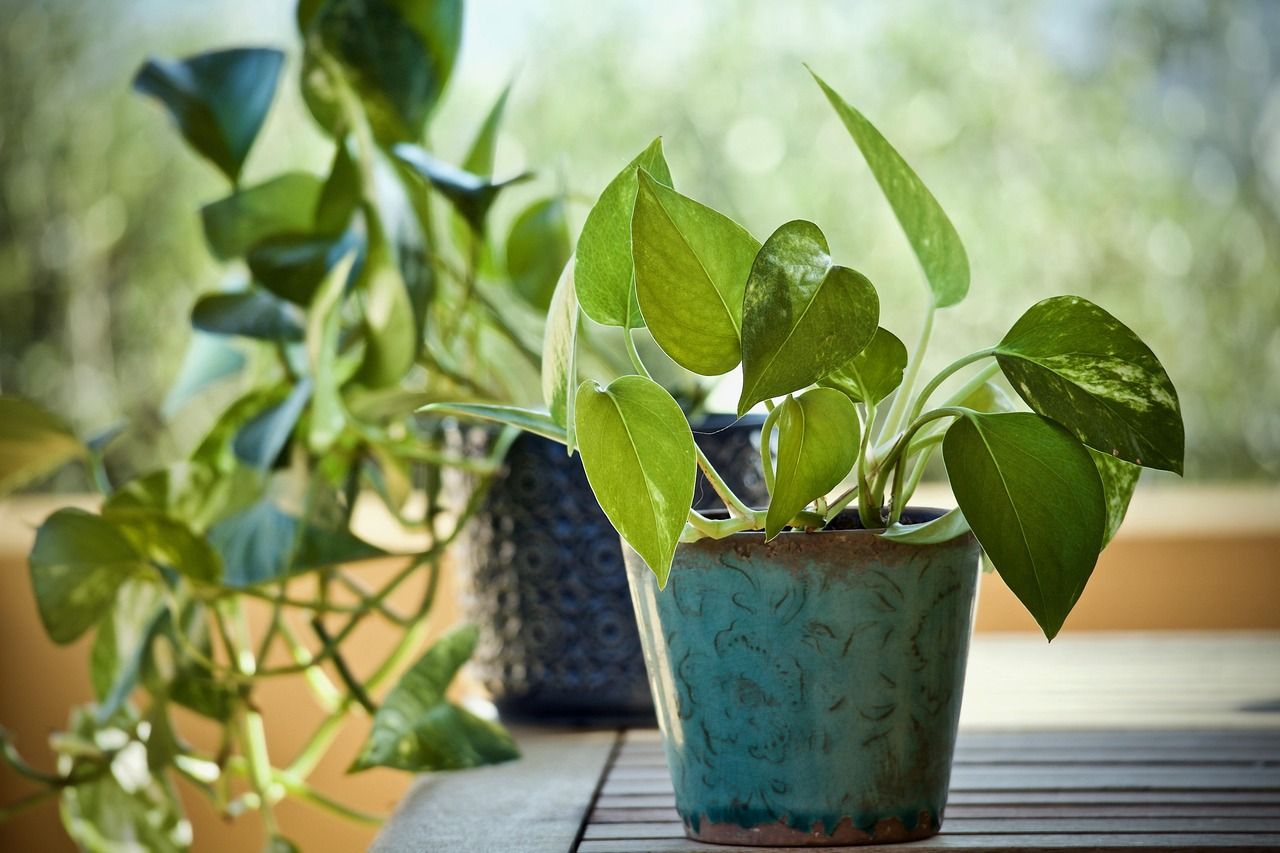
Introduction to Pothos Care in Indian Homes
In almost every Indian household, you are likely to spot a lush green vine cascading from a shelf or climbing up a moss stick. Locally known as the Money Plant, the Pothos is perhaps the most beloved indoor plant across the subcontinent. Whether you live in a humid apartment in Mumbai or a dry climate in Delhi, the Pothos remains resilient. However, even the hardiest plants eventually outgrow their containers. Learning how to repot pothos the right way is a fundamental skill that ensures your green companion continues to thrive, purifying your air and adding aesthetic value to your home for years to come.
Many beginners feel intimidated by the idea of moving a plant. There is always a fear of transplant shock or damaging the delicate root system. But don't worry. Repotting is not just about moving a plant to a bigger container; it is an opportunity to refresh the nutrients in the soil and check the overall health of your plant. In this guide, we will walk through the specific steps, tailored for the Indian climate and available materials, so you can master how to repot pothos the easy way.
Recognizing When Your Pothos Needs a New Home
Before jumping into the process, you must identify if your plant actually needs a change. Unlike some plants that prefer to be slightly root-bound, a Pothos will eventually show signs of distress if left in a small pot for too long. In India’s warm climate, plants often grow faster during the monsoon and summer months, meaning they might need repotting more frequently than you think.
Visible Root Growth
The most obvious sign is seeing roots peeking through the drainage holes at the bottom of the pot. If the roots are circling the top of the soil or pushing the plant upward, it is definitely time for a larger space. When roots have nowhere to go, they become a tangled mass that cannot efficiently absorb water or nutrients.
Stunted Growth and Yellowing Leaves
If you notice that your Pothos has stopped producing new leaves despite regular fertilizing, or if the older leaves are turning yellow despite proper watering, the soil might be depleted. Over time, the organic matter in the potting mix breaks down, leaving the plant with nothing to feed on. Learning how to repot pothos the correct way allows you to introduce fresh, nutrient-rich soil to jumpstart growth.
Water Running Straight Through
When a plant is severely root-bound, there is more root mass than soil. When you water the plant, you might notice the water rushes out of the drainage holes almost immediately without being absorbed. This is a clear indicator that there isn't enough soil left to hold moisture.
The Best Time to Repot in the Indian Climate
Timing is everything when it comes to gardening. In India, the best time to understand how to repot pothos the safest way is during the spring (February to March) or the early monsoon (June to July). During these periods, the humidity is higher, and the temperature is moderate, which helps the plant recover quickly from the transition.
Avoid repotting during the peak of summer (May) when the heat is extreme, as the plant is already under heat stress. Similarly, avoid the peak of winter in North India when the plant enters a semi-dormant state and growth slows down significantly.
Choosing the Right Materials
To succeed in how to repot pothos the professional way, you need the right supplies. In India, we have access to various potting components that are perfect for tropical plants.
The Perfect Pot
Choose a pot that is only 1 to 2 inches larger in diameter than the current one. If the pot is too large, the excess soil will hold too much water, leading to root rot—a common killer of Pothos. You can use terracotta, ceramic, or high-quality plastic pots. Terracotta is excellent for Indian summers as it allows the roots to breathe and prevents waterlogging.
The Ideal Soil Mix
Standard garden soil (kali mitti) is often too heavy and compact for Pothos. For a thriving plant, create a well-draining mix using locally available materials: 40% Cocopeat (to retain moisture), 30% Perlite or coarse sand (for drainage), and 30% Vermicompost or old cow dung manure (for nutrition). This mix ensures that the roots stay hydrated but never soggy.
Step-by-Step Guide: How to Repot Pothos the Right Way
Step 1: Preparation
Water your Pothos thoroughly 24 hours before you plan to repot. Moist soil clings to the roots and makes the plant easier to slide out of the pot. Gather your new pot, soil mix, and a small trowel or khurpi.
Step 2: Removing the Plant
Turn the pot sideways, hold the plant gently by the stems near the soil line, and tap the bottom of the pot. If it’s stuck, run a knife around the inner edge of the pot to loosen the soil. Never pull the plant forcefully by the vines, as this can snap the stems.
Step 3: Inspecting and Pruning the Roots
Once the plant is out, gently loosen the root ball with your fingers. If the roots are tightly coiled, you can lightly snip some of the outer roots to encourage them to grow outward in the new pot. Look for any black, mushy, or foul-smelling roots—these are signs of rot and should be trimmed away with sterilized scissors.
Step 4: Preparing the New Pot
Place a small piece of broken terracotta (theekri) or a mesh screen over the drainage hole to prevent soil from washing out. Fill the bottom of the new pot with a few inches of your prepared soil mix.
Step 5: Positioning the Pothos
Place the plant in the center of the new pot. The top of the root ball should sit about an inch below the rim of the pot to allow space for watering. Hold the plant steady and fill the sides with the soil mix. Gently press down the soil to remove any large air pockets, but do not pack it too tightly.
Step 6: The Initial Watering
After repotting, water the plant until you see it draining out from the bottom. This helps settle the soil around the roots. Place the plant in a shaded area with bright indirect light. Avoid direct sunlight for at least a week while the plant adjusts to its new home.
Post-Repotting Care and Troubleshooting
Understanding how to repot pothos the right way doesn't end with the potting process. The first two weeks are crucial for recovery. It is normal for the plant to look a bit limp for a day or two; this is known as transplant shock. However, if the leaves continue to droop after a week, check the moisture level. In the Indian heat, ensure the soil stays slightly damp but not muddy.
Do not fertilize your Pothos for at least 4 to 6 weeks after repotting. The fresh vermicompost in your new soil mix provides plenty of nutrients, and adding more could burn the sensitive new roots. Once you see new growth emerging, you can resume your regular liquid fertilizer routine every 15 to 20 days during the growing season.
Common Mistakes to Avoid
One common mistake many Indian gardeners make is using a pot without drainage holes or using a decorative container as the primary pot. Always ensure drainage is a priority. Another mistake is repotting a sick plant. If your Pothos is dying due to a pest infestation or extreme dehydration, repotting will likely add more stress. Treat the underlying issue first before moving the plant.
Lastly, don't forget the humidity. If you live in a dry region like Rajasthan or the inland parts of South India, mist your Pothos regularly after repotting to help it recover. High humidity mimics its natural tropical habitat and speeds up the root establishment process.
Conclusion
Mastering how to repot pothos the correct way is a rewarding experience that deepens your connection with your indoor garden. By following these steps and considering the unique Indian environmental factors, you provide your Money Plant with the best possible environment to grow. A healthy Pothos not only beautifies your living room or balcony but also brings a sense of tranquility and life into your home. Happy gardening!
How do I know if my Pothos is in transplant shock?
Signs of transplant shock include drooping leaves, slight yellowing, or a lack of new growth immediately after repotting. This is usually temporary. Keep the plant in a bright, indirect light spot and maintain consistent moisture to help it recover within a week.
Can I use normal garden soil for repotting my Money Plant?
While Pothos is hardy, using only garden soil is not recommended as it can become too compact and heavy, especially when wet. It is better to mix it with cocopeat and organic compost to ensure proper aeration for the roots.
Is it necessary to use a bigger pot every time I repot?
Not necessarily. If you want to keep your Pothos at its current size, you can remove it from the pot, trim about one-third of the roots and the foliage, and repot it in the same container with fresh soil.
What should I do if my Pothos has root rot during repotting?
If you find mushy, black roots, trim them off completely using sterilized shears. Treat the remaining healthy roots with a bit of cinnamon powder (a natural antifungal) or a mild fungicide before repotting in completely fresh, well-draining soil.


