

The Pomegranate Dilemma in Indian Kitchens
In every Indian household, the pomegranate, or Anaar, is more than just a fruit. It is a symbol of health, often recommended by elders for its blood-boosting properties and vibrant antioxidants. However, as any home cook knows, the pomegranate is also one of the most temperamental fruits to deal with. You might buy a beautiful batch from the local subzi mandi, only to find them shriveled or fermented within a week if not handled correctly. Learning how to store pomegranates so they remain as fresh as the day you bought them is an essential skill for reducing food waste and making the most of this seasonal treasure.
The challenge in India is often the climate. Whether you are dealing with the humid heat of Mumbai or the dry summers of Delhi, external temperatures play a massive role in how quickly a pomegranate loses its moisture. Because the pomegranate has a thick, leathery skin, many people mistakenly believe it is invincible on the kitchen counter. This guide will walk you through the nuances of temperature, moisture control, and preparation techniques to ensure your fruit stays juicy and nutritious for as long as possible.
Starts at the Market: Picking the Best Anaar
Before we even discuss storage, we must address the quality of the fruit you bring home. You cannot preserve a fruit that is already past its prime. When you are standing at the fruit stall, don't just look for the brightest red color. Some varieties of pomegranates are naturally pale pink or even yellowish on the outside while being deep red inside.
Weight and Density
Pick up the pomegranate and feel its weight. It should feel heavy for its size. This weight indicates that the arils (the seeds) inside are full of juice. A light pomegranate often means the juice has already started to evaporate, leaving you with dry, woody seeds.
The Shape Test
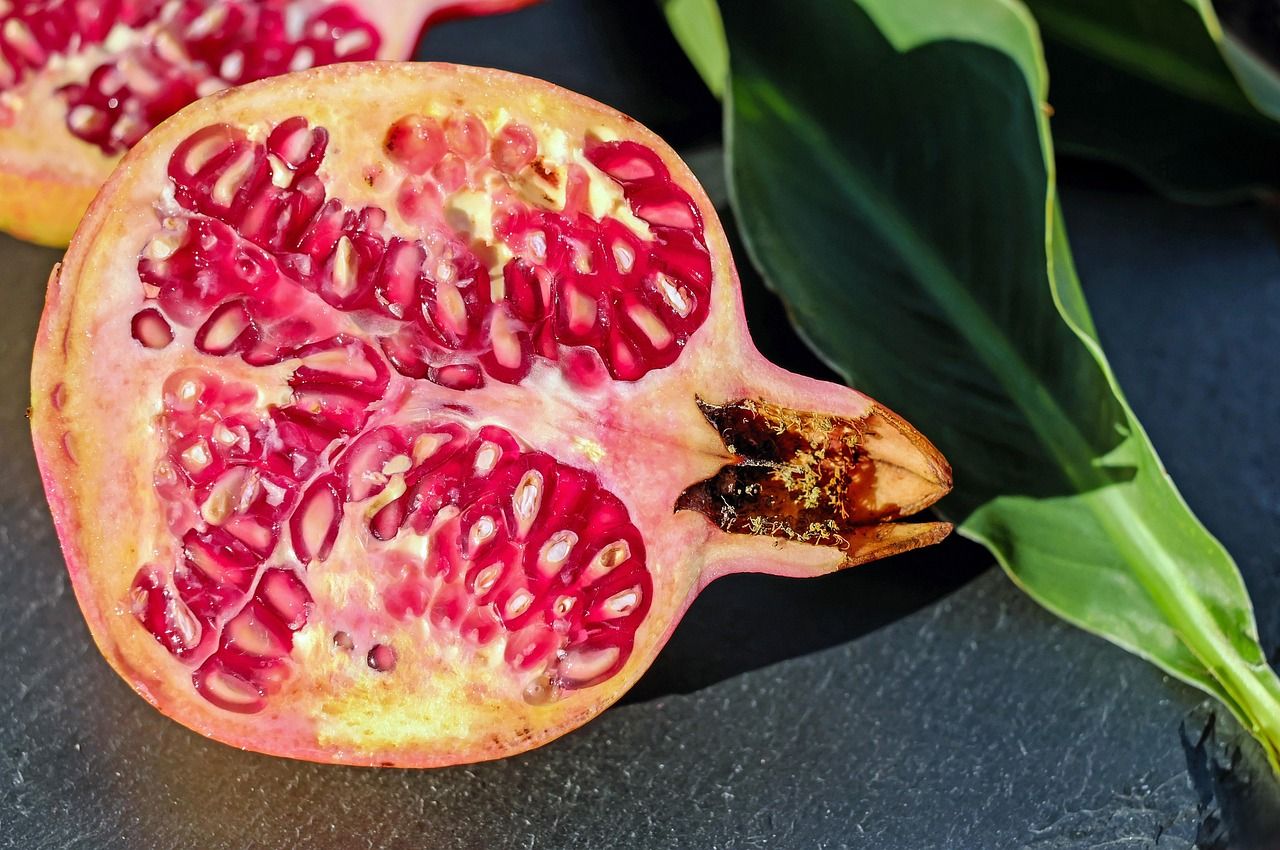
A perfectly round pomegranate is actually not what you want. As the seeds inside ripen and fill with juice, they push against the outer walls, causing the fruit to develop a slightly squared or hexagonal shape. If the pomegranate looks a bit angular rather than perfectly spherical, it is a sign that it is at peak ripeness and ready for storage.
Skin Texture
Look for skin that is firm and leathery. Avoid pomegranates with soft spots, deep cracks, or signs of mold near the crown. While small surface scratches are common due to the thorny nature of pomegranate trees, deep punctures will lead to rapid spoilage once you get the fruit home.
Storage Method 1: The Countertop (Short-Term)
If you plan to eat your pomegranates within a few days, the countertop is a perfectly acceptable place for them. In the Indian context, this works best during the cooler winter months. If it is the height of summer, even a couple of days on the counter might be too much.
- Keep them out of direct sunlight. The heat from a window will cause the skin to crack and the juice to ferment.
- Ensure good airflow. Do not keep them in a plastic bag on the counter; instead, place them in a wicker basket or a perforated bowl.
- Avoid stacking. If you pile pomegranates on top of each other, the weight can cause bruising on the fruits at the bottom.
On the counter, a fresh pomegranate will usually last about 3 to 5 days. Keep an eye on the skin; if it starts to look significantly darker or feels very hard, it is time to move it to the fridge or eat it immediately.
Storage Method 2: The Refrigerator (Whole Fruit)
For those who buy in bulk to take advantage of seasonal prices, refrigeration is your best friend. A whole pomegranate can stay fresh in the fridge for up to two months if stored correctly. The key here is managing moisture.
The Paper Towel Trick
Refrigerators can be surprisingly humid environments, especially the crisper drawer. Excess moisture on the skin of the pomegranate can lead to fungal growth. To prevent this, wrap each whole pomegranate loosely in a paper towel. This absorbs any surface moisture while still allowing the fruit to breathe.
Use the Crisper Drawer
Place the wrapped pomegranates in the vegetable crisper drawer of your refrigerator. Set the humidity slider to 'low' if your fridge has that option. By keeping them chilled, you slow down the internal metabolic processes of the fruit, preserving the sugar levels and the crunch of the seeds.
Storage Method 3: Storing Pomegranate Arils (The Seeds)
Let's be honest: peeling a pomegranate is a chore. Many of us prefer to deseed the entire batch at once so we can easily toss a handful of seeds into our curd rice, salads, or raita. Storing the seeds (arils) requires a bit more care because once the skin is removed, the seeds are exposed to air and bacteria.
Step-by-Step Preparation
First, deseed your pomegranate using the water method to avoid a mess. Fill a large bowl with water, score the fruit, and break it apart under the water. The seeds will sink, and the white pith will float. Once you have gathered the seeds, it is crucial to dry them thoroughly. Use a clean kitchen towel or paper towels to pat them dry. Any water left on the seeds will lead to slime and spoilage in the fridge.
Airtight Containers
Place the dry arils in a glass or BPA-free plastic airtight container. Glass is often preferred in Indian kitchens as it doesn't retain odors from previous spices or curries. If stored this way in the coldest part of the fridge, the seeds will remain fresh for 5 to 7 days. This is perfect for meal prepping your weekly breakfasts or snacks.
Storage Method 4: Freezing for the Long Haul
If you have a surplus of pomegranates that you cannot finish within a week, the freezer is the ultimate solution. Frozen pomegranate seeds can last for up to six months, making them available even when the season has passed.
The Flash Freezing Technique
To prevent the seeds from turning into a giant, unusable block of ice, you must flash-freeze them first. Spread the dry arils in a single layer on a baking tray lined with parchment paper. Place the tray in the freezer for about two hours. Once the seeds are individually frozen, transfer them into a heavy-duty freezer bag.
Labeling and Using
Squeeze out as much air as possible from the bag before sealing it. This prevents freezer burn. Don't forget to label the bag with the date. Frozen pomegranate seeds are excellent for smoothies, juices, or as a garnish for hot dishes like biryani, where the heat will quickly thaw them. However, note that they lose some of their crisp texture once thawed, so they may not be ideal for fresh fruit salads.
How to Tell If Your Stored Pomegranate Has Gone Bad
Even with the best storage practices, nature eventually takes its course. It is important to recognize the signs of spoilage to avoid food poisoning. If the whole fruit feels light and hollow, it has dried out. If the skin has dark, sunken soft spots, the interior has likely started to rot. For the seeds, use your nose. If you detect a sour, vinegar-like, or fermented smell, the sugars have turned to alcohol, and the seeds should be discarded. Any sign of white or green fuzz (mold) means the entire container should be thrown away.
Practical Ways to Use Your Stored Pomegranate
Having a stash of fresh pomegranate seeds makes healthy eating much easier. In Indian cuisine, the pomegranate adds a burst of sweetness and acidity that balances rich flavors. You can sprinkle them over poha for a crunchy contrast, stir them into a bowl of chilled dahi with a pinch of roasted cumin, or use them to garnish a festive platter of dahi vada. By knowing how to store pomegranates so they last, you ensure that these nutritious gems are always within reach, helping you maintain your health goals without frequent trips to the market.
Conclusion
Mastering the art of pomegranate storage is about finding the balance between temperature and moisture. Whether you choose to keep them whole in the fridge for a slow-release supply or deseed and freeze them for future smoothies, the effort is well worth it. Pomegranates are a nutritional powerhouse, and by following these steps, you can enjoy their juice and crunch throughout the year, regardless of the Indian weather. Next time you see a great deal on Anaar at the market, don't hesitate—buy them in bulk, store them with care, and enjoy the taste of health every single day.
How long do whole pomegranates last on the kitchen counter?
In a typical Indian climate, a whole pomegranate will stay fresh on the counter for about 3 to 5 days, provided it is kept in a cool, shaded area away from direct sunlight.
Can I store pomegranate juice instead of the seeds?
Yes, you can store fresh pomegranate juice in a sealed glass bottle in the refrigerator for up to 3 days. For longer storage, you can freeze the juice in ice cube trays for up to 6 months.
Do pomegranates continue to ripen after they are picked?
Unlike fruits like bananas or mangoes, pomegranates do not ripen significantly once they are harvested. This is why it is important to select fruits that already feel heavy and look slightly angular at the store.
What is the best way to dry pomegranate seeds before storing them?
The best method is to spread the seeds out on a clean, lint-free kitchen towel and gently pat them with another towel. It is vital that they are completely dry to prevent mold growth in the refrigerator.


