

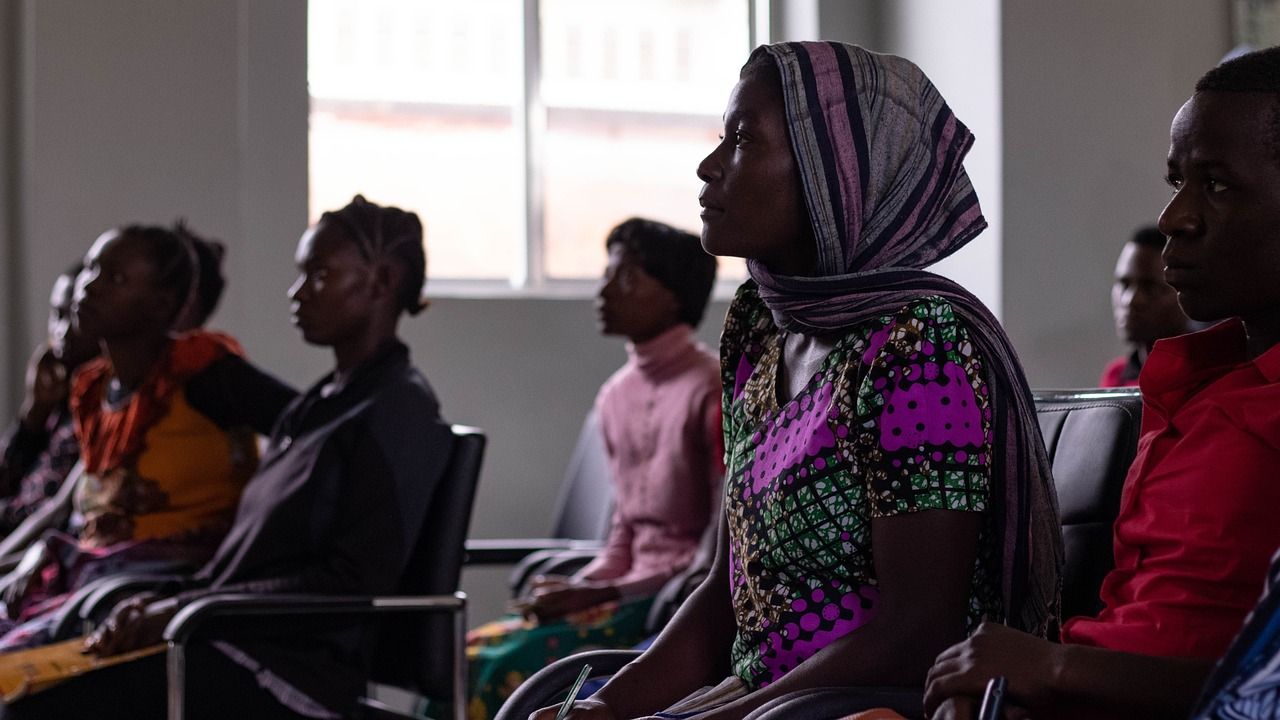
Understanding the Importance of Supporting Women and Girls in the Indian Context
In the vibrant and diverse landscape of India, the conversation around gender equality has evolved significantly over the last few decades. From the bustling corporate hubs of Bengaluru to the quiet agricultural heartlands of Uttar Pradesh, women are increasingly breaking barriers and redefining their roles. However, the journey toward true equity is far from over. If you are wondering how to support women and contribute to a more inclusive society, it is important to realize that change starts with small, intentional actions. Supporting women is not just about large-scale policy changes; it is about the everyday choices we make in our homes, offices, and local communities.
India faces unique socio-economic challenges, including a significant gender pay gap, varying literacy rates across states, and deep-rooted cultural expectations regarding domestic labor. To address these issues, support must be multi-dimensional. We need to look at education, economic independence, health, and social safety as interconnected pillars. By understanding these nuances, we can move beyond performative gestures and implement strategies that create lasting impact for women and girls across the country.
1. Championing Education and Skill Development
Education remains the most powerful tool for transformation. While government initiatives like Beti Bachao Beti Padhao have made significant strides, systemic gaps still exist, especially in rural areas where the dropout rate for girls increases after primary school. Supporting women and girls often begins with ensuring they have the resources to stay in school and pursue higher education.
Beyond formal schooling, there is a massive need for skill development. In today’s digital-first economy, vocational training in coding, digital marketing, or even financial management can provide women with the tools they need to achieve financial independence. You can support this cause by volunteering your time to mentor students, sponsoring the education of a girl child through reputable NGOs, or even helping the women in your own household access online learning platforms to upgrade their skills.
The Role of Digital Literacy
In many Indian households, smartphones and laptops are often prioritized for male members. Bridging this digital divide is a crucial step in how to support women and ensure they are not left behind in the technological revolution. Helping a woman understand how to use digital payment systems, navigate government portals for schemes, or use social media for a small business can be life-changing. Digital literacy empowers women to manage their own finances and access information that was previously out of reach.
2. Promoting Economic Empowerment through Local Support
Economic independence is the cornerstone of agency. When a woman has control over her own income, she is more likely to invest in her family’s health and her children’s education. One of the most effective ways to support women and boost the local economy is by consciously choosing to buy from women-led businesses and self-help groups (SHGs).
India has a rich tradition of female entrepreneurship, from the neighborhood tailor to the founders of massive tech startups. In rural India, SHGs have become a backbone for local manufacturing, producing everything from organic spices to handmade textiles. By prioritizing these products, you provide direct financial support to women who are working to uplift their families. Additionally, if you are in a position of influence within a company, consider diversifying your supply chain to include female vendors and contractors.
3. Creating Inclusive and Safe Workplaces
For urban India, the workplace is a primary arena for advocating for equality. Supporting women in professional environments requires more than just hiring them; it involves creating an ecosystem where they can thrive. This includes advocating for equal pay for equal work, which remains a challenge in many Indian industries. Transparency in salary structures and merit-based promotions are essential steps toward closing the gap.
Safety and flexibility are also paramount. Implementing robust Internal Complaints Committees (ICC) as mandated by the POSH Act is a legal and moral necessity. Furthermore, recognizing the double burden of domestic work and professional responsibilities can lead to more empathetic workplace policies. Flexible working hours, hybrid models, and parental leave for all genders help in normalizing the idea that caregiving is a shared responsibility, not just a woman’s job. Mentorship programs where senior leaders guide junior female employees can also help in breaking the glass ceiling that often prevents women from reaching leadership roles.
4. Redefining Domestic Roles and the Care Economy
In many Indian homes, the lion’s share of unpaid domestic work and caregiving falls on women. This care economy often goes unrecognized and undervalued. If you want to know how to support women and foster equality at a fundamental level, start within your own four walls. Redistributing household chores is not about helping out; it is about taking equal ownership of the home.
When men take active roles in cooking, cleaning, and childcare, it frees up time for women to pursue their hobbies, careers, or simply rest. This shift in domestic dynamics also sets a powerful example for the next generation. Boys grow up seeing that household work is gender-neutral, and girls grow up knowing their time and ambitions are just as valuable as anyone else’s. Encouraging the women in your family to take time for self-care and mental health is equally vital in a culture that often glorifies female self-sacrifice.
5. Advocating for Health and Menstrual Equity
Women’s health is frequently sidelined in many Indian communities due to taboos and lack of awareness. Supporting women involves advocating for better healthcare facilities and breaking the silence around menstrual hygiene. In many parts of India, menstruation still limits a girl’s mobility and access to education.
You can contribute by supporting initiatives that provide affordable sanitary products or by educating people in your community to dismantle the myths surrounding periods. Furthermore, focusing on maternal health and nutritional needs is crucial. Encouraging regular health check-ups and addressing the high rates of anemia among Indian women can lead to a healthier, more productive society. Normalizing conversations around mental health and seeking professional help for postpartum depression or anxiety is another critical area where support is needed.
6. Strengthening Legal Awareness and Social Safety
Many women in India are unaware of their legal rights regarding property, inheritance, and protection against domestic violence. Supporting women and girls includes spreading awareness about these rights. Legal literacy empowers women to stand up against injustice and claim their rightful place in society.
Social safety is another area that requires collective action. Creating safer public spaces—through better street lighting, efficient public transport, and community policing—allows women to move freely and participate in the economy. Being an active bystander and speaking up against street harassment or casual sexism in social circles is a way every individual can contribute to a safer environment for women.
Conclusion: A Collective Journey Toward Equity
The quest for gender equality in India is not a battle for women to fight alone. It is a collective journey that requires the participation of men, families, corporations, and the government. When we ask how to support women and girls, we are essentially asking how we can build a stronger, more resilient nation. By investing in education, supporting female-led businesses, ensuring workplace safety, and sharing domestic responsibilities, we create a ripple effect that benefits everyone.
True support lies in listening to women’s voices, validating their experiences, and creating space for their leadership. It is about moving away from stereotypes and embracing the diversity of women’s aspirations. Whether it is through a small act of mentorship or a large-scale community initiative, every effort counts. Let us commit to being allies in this journey, ensuring that every woman and girl in India has the opportunity to reach her full potential and lead a life of dignity and choice.
How can men play a role in supporting women at home?
Men can support women by taking equal responsibility for domestic chores and caregiving. This involves more than just assisting; it means proactively managing household tasks, childcare, and elderly care to ensure that the mental and physical load is shared equally, allowing women the time and energy to pursue their own interests and careers.
What are some ways to support women-owned small businesses in India?
You can support women-owned businesses by making a conscious effort to purchase their products, whether they are local artisans, home-based caterers, or tech startups. Additionally, leaving positive reviews, recommending them to friends, and sharing their work on social media can significantly increase their visibility and growth.
Why is digital literacy important for women in rural India?
Digital literacy is a gateway to financial independence and information. It allows women to access banking services, apply for government welfare schemes, sell products online, and gain new skills through free educational resources. It helps bridge the information gap and gives them the tools to navigate the modern world safely.
How can workplaces become more supportive of women?
Workplaces can become more supportive by ensuring pay parity, offering flexible work arrangements, and strictly enforcing anti-harassment policies. Providing mentorship opportunities, having diverse representation in leadership roles, and offering parental leave for both mothers and fathers also help in creating a more inclusive environment.
How can I contribute to girls education in my community?
You can contribute by volunteering as a tutor, donating to reputable NGOs that focus on girl-child education, or sponsoring the school fees of a student in need. Raising awareness about the importance of keeping girls in school and preventing early marriages is also a vital way to support their long-term development.


