

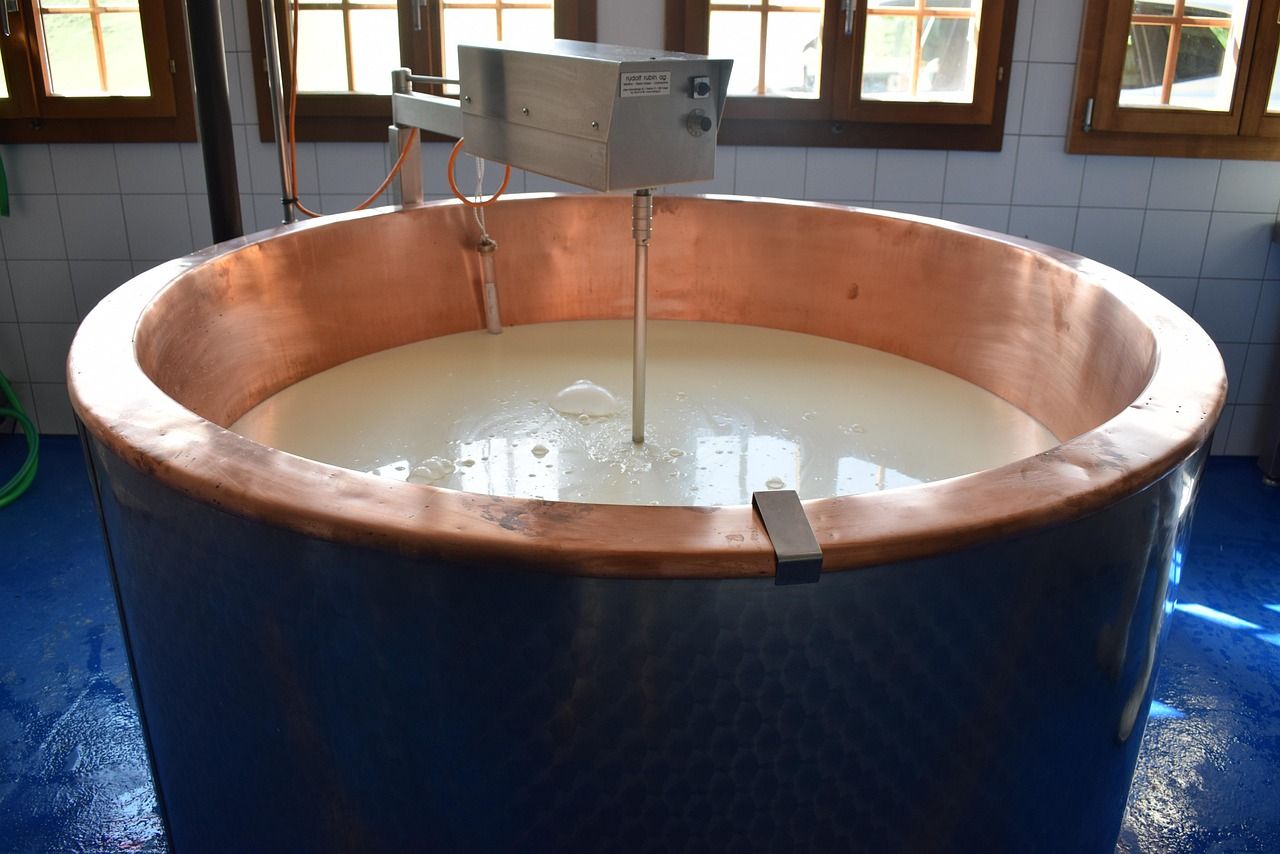
The Hidden Value of Paneer Water
In almost every Indian kitchen, the process of making fresh paneer or chhena is a common ritual. Whether it is for a weekend Paneer Butter Masala or a batch of fresh Rasgullas, we often curd milk using lemon juice or vinegar. Once the solids are strained, we are left with a pale, yellowish-green liquid. Most people instinctively pour this down the drain, thinking it is just waste water. However, this liquid is actually liquid gold. Understanding how to turn whey into a useful ingredient can significantly enhance your nutrition and minimize kitchen waste.
Whey is the liquid remains of milk after it has been curdled and strained. It contains a high concentration of protein, particularly the essential amino acids that our bodies need for muscle repair and general health. Additionally, it is packed with minerals like calcium, potassium, and magnesium, along with several B vitamins. For vegetarians in India, whey provides an accessible and affordable source of high-quality protein. This guide will walk you through various practical and traditional ways to repurpose this byproduct into delicious additions to your daily meals.
How to Turn Whey into Soft and Nutritious Rotis
The most popular and easiest way to use whey in an Indian household is to substitute it for water when kneading dough. Whether you are making simple Phulkas, stuffed Parathas, or even Bhaturas, using whey instead of plain water makes a world of difference. The acidic nature of the whey helps to break down the gluten in the wheat flour, resulting in rotis that stay soft for a much longer period. This is particularly useful if you are packing lunch boxes for school or office.
To turn whey into dough, simply warm it slightly and pour it into your flour as you would with water. If you are making Methi or Palak Parathas, the nutrients in the whey complement the greens perfectly. Because whey already contains some salts and minerals, you might find that you need to adjust the salt content in your dough. The result is a more nutritious, protein-rich bread that tastes slightly richer than those made with plain water.
Boosting the Flavor of Your Dals and Curries
Indian cuisine is famous for its rich gravies and hearty dals. Another excellent way to turn whey into something spectacular is by adding it to your cooking liquids. When you are boiling lentils for Dal Tadka or Sambhar, replace a portion of the water with whey. It adds a subtle tanginess that is reminiscent of adding a splash of yogurt or a piece of kokum. This works exceptionally well in sour-based dishes like Kadhi or Rasam.
For gravy-based dishes like Shahi Paneer or Rajma, whey acts as a natural thickening agent and flavor enhancer. The proteins in the whey add a certain creaminess to the sauce without the need for heavy cream or butter. If you find your gravy is too thick, thinning it out with whey rather than tap water ensures that you are not diluting the nutritional profile of your meal. It is a seamless way to incorporate those minerals back into your diet without altering the authentic taste of the dish.
Accelerating Fermentation in Idli and Dosa Batters
Fermentation is a key process in South Indian cooking. Traditionally, the fermentation of rice and urad dal batter depends on the ambient temperature and the natural bacteria present in the environment. However, in colder weather or when you are in a hurry, achieving a good rise can be difficult. You can turn whey into a fermentation booster by adding it to your batter during the grinding process.
The lactic acid and active cultures present in fresh whey act as a catalyst for the natural yeasts. By adding a small amount of whey to your idli or dosa batter, you will notice a faster fermentation time and a fluffier texture in the final product. It also adds a very pleasant, mild sourness that is characteristic of well-fermented batter. This hack is particularly useful for those living in cooler climates across North India or abroad, where fermentation often takes much longer than desired.
Using Whey for Soaking and Cooking Grains
Soaking grains, beans, and legumes is a common practice in Indian kitchens to reduce anti-nutrients like phytic acid and to make them easier to digest. You can turn whey into a powerful soaking medium. Soaking your chickpeas (chole), kidney beans (rajma), or even rice in a mixture of water and whey can help break down hard-to-digest starches more effectively than water alone. This process not only speeds up the cooking time but also ensures that the nutrients are more bioavailable.
When it comes to cooking rice or quinoa, using whey as part of the cooking liquid gives the grains a beautiful sheen and a slightly nutty flavor. For a simple vegetable pulao or biryani, replacing half of the water with whey adds a layer of complexity to the taste. The grains come out separate and tender, making it a favorite trick for many home cooks who want to elevate their daily rice dishes.
Natural Skin and Hair Care with Whey
Beyond the kitchen, the benefits of whey extend to personal care. Indian tradition has long utilized dairy products like malai and dahi for skin treatments. You can easily turn whey into a natural toner or hair rinse. Because whey is slightly acidic, it helps maintain the natural pH balance of your skin. Applying cold whey to your face with a cotton ball can help tighten pores and soothe mild irritations. Many find it effective for treating sunburns or reducing the oiliness of the skin during humid Indian summers.
For hair care, whey can be used as a final rinse after shampooing. The proteins in the whey help strengthen the hair shaft, while the lactic acid cleanses the scalp of buildup. Simply pour a cup of room-temperature whey over your hair, let it sit for a few minutes, and rinse with plain water. It leaves the hair feeling soft and adds a natural shine without the use of chemical-laden conditioners. You can also mix whey with besan (gram flour) to create a traditional ubtan for a deep-cleansing body scrub.
Feeding Your Garden with Leftover Whey
If you have a home garden or even a few balcony plants, do not let that whey go to waste. You can turn whey into a nutrient-rich fertilizer for your plants. Whey is particularly beneficial for acid-loving plants like roses, tomatoes, and hibiscus, which are common in Indian gardens. It provides a dose of nitrogen and phosphorus that promotes healthy growth and vibrant blooms.
However, because whey is acidic and concentrated, it is important to dilute it before application. A good rule of thumb is to mix one part whey with ten parts water. Pour this mixture at the base of your plants once every two weeks. The beneficial bacteria in the whey also help improve soil health, making it more resistant to certain pests and fungi. It is a sustainable and organic way to nourish your plants using what would otherwise be a waste product.
Storage Tips for Your Paneer Whey
To successfully turn whey into various recipes throughout the week, you need to store it correctly. In the Indian climate, whey can spoil quickly if left on the counter. Once you have strained your paneer, let the whey cool down to room temperature. Pour it into a clean glass jar or a stainless steel container and store it in the refrigerator. Fresh whey will typically stay good for 5 to 7 days in the fridge.
If you have a large quantity of whey and cannot use it all within a week, you can freeze it. Pour the whey into ice cube trays and freeze them. These whey cubes can then be popped into soups, dals, or smoothies whenever needed. Always remember to give the refrigerated whey a quick sniff before using; it should have a clean, slightly sour dairy aroma. If it smells unpleasantly pungent or shows signs of mold, it is time to discard it. By maintaining a steady supply of stored whey, you will always have this nutritional booster ready for your daily cooking needs.
Conclusion
Learning how to turn whey into a functional part of your lifestyle is a small but impactful step toward a zero-waste and healthier kitchen. From making the softest rotis to nourishing your garden and even enhancing your beauty routine, this humble byproduct of paneer making is incredibly versatile. Next time you prepare fresh chhena at home, remember that the liquid you are looking at is not waste, but a treasure trove of vitamins and proteins. Start experimenting with these tips and discover how easy it is to integrate this liquid gold into your everyday life.
Is it safe to drink raw whey?
Yes, it is perfectly safe to drink raw whey directly if the milk used was pasteurized. Many people enjoy it chilled with a pinch of black salt and roasted cumin powder as a refreshing, high-protein drink, similar to buttermilk.
Can I use whey if I used vinegar to curdle the milk?
Yes, you can still use the whey if you used vinegar or lemon juice. The flavor will be slightly more acidic, which makes it excellent for kneading dough or adding to tangy curries like Kadhi.
How long does paneer water last in the fridge?
Paneer whey usually stays fresh for 5 to 7 days when stored in an airtight glass or stainless steel container in the refrigerator. Always check for any off-smells before using it.
Does cooking whey destroy its nutrients?
While some heat-sensitive vitamins like Vitamin B may decrease slightly during boiling, the minerals and high-quality proteins remain intact, making it a very healthy addition to cooked meals.
Can I use whey in my tea or coffee?
It is not recommended to use whey in tea or coffee. The acidic nature of the whey will likely cause the milk in your tea or coffee to curdle, resulting in an unpleasant texture and taste.


