

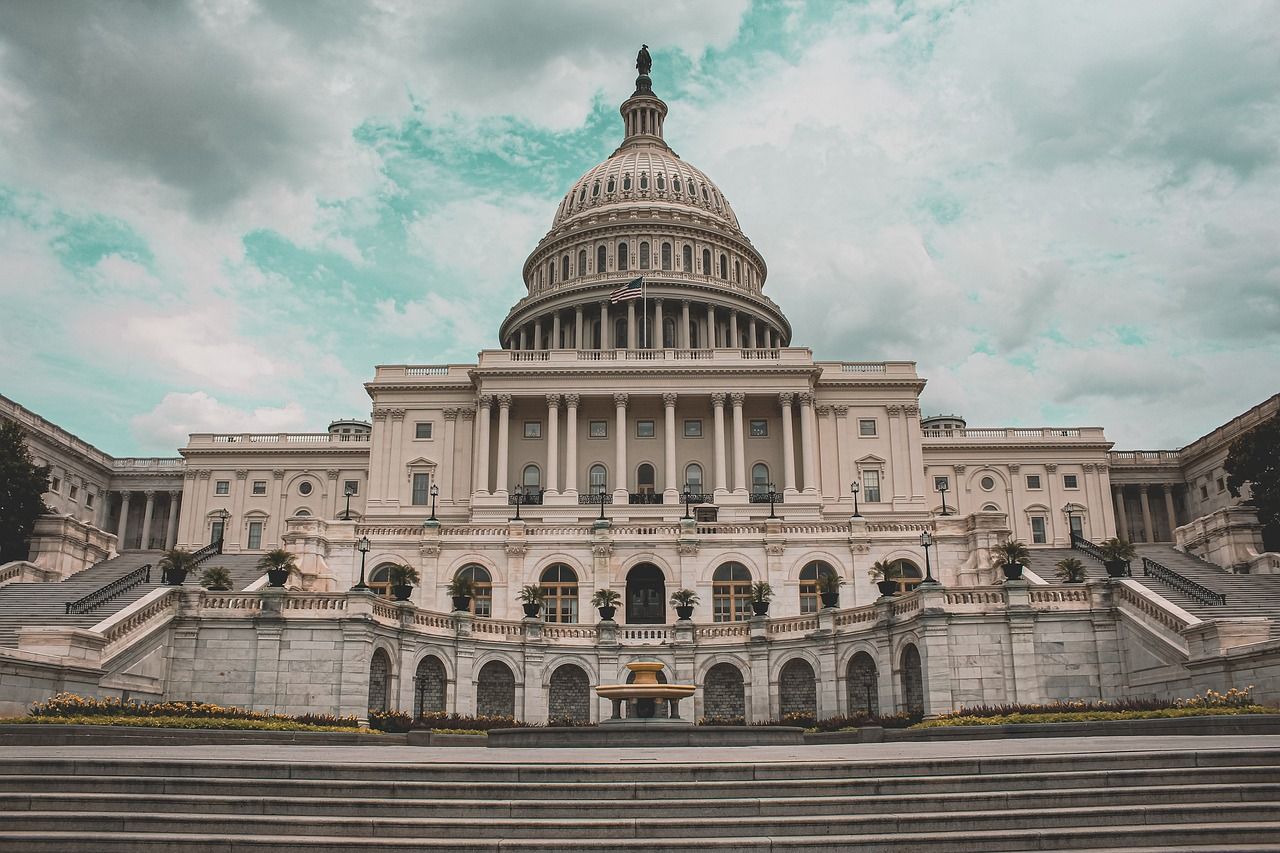
The Global Impact of Washington: Why It Matters in India
For many of us in India, the happenings in the United States Congress might seem like a world away. However, in our interconnected global economy, the decisions made by American legislators have a direct ripple effect on our lives. Whether it is the annual quota for H-1B visas that affects thousands of Indian IT professionals, trade policies that dictate the price of our exports, or climate change commitments that impact global sustainability, the quality of American legislation matters. When we talk about how to improve American legislators, we are essentially talking about how to make the global democratic engine run more smoothly for everyone, including the Indian diaspora and the Indian economy.
The Core Challenge: Reforming Campaign Finance
One of the most significant hurdles to improving the quality of American legislators is the influence of money in politics. In the United States, the system of 'lobbying' and Super PACs allows massive amounts of corporate and private wealth to flow into election campaigns. To an Indian observer, this might look different from our own electoral funding challenges, but the result is similar: legislators often feel more accountable to their donors than to their constituents.
To improve American legislators, there must be a fundamental shift toward public financing of elections. By limiting the influence of special interest groups, lawmakers would be free to focus on long-term policy rather than short-term fundraising. Imagine if a legislator didn't have to spend thirty hours a week on the phone asking for donations. They could spend that time understanding the nuances of international trade deals or improving healthcare systems. For the Indian-American community, which is increasingly influential, supporting candidates who prioritize grassroots funding over corporate lobbying is a practical way to drive this change.
Implementing Term Limits for Fresh Perspectives
In the Indian political system, we are used to seeing long-standing political dynasties and veteran leaders. The United States has a similar issue where members of the House and Senate can serve for decades, sometimes holding office for forty or fifty years. While experience is valuable, 'career politicians' can sometimes become detached from the evolving needs of a modern, tech-driven society.
Introducing term limits is a frequently discussed solution to improve American legislators. By ensuring a regular rotation of representatives, the system would naturally invite younger, more diverse voices into the halls of power. This is particularly relevant for the Indian diaspora. As more second and third-generation Indian-Americans seek to enter public service, term limits would create the necessary space for these fresh perspectives to contribute to American governance. New blood often brings a deeper understanding of technology, digital economy trends, and modern social dynamics that the current 'old guard' may struggle to grasp.
Ending Gerrymandering: The Quest for Fair Districts
For those of us familiar with the Indian Delimitation Commission, the American process of 'Gerrymandering' can seem quite strange. In many US states, the legislators themselves are responsible for drawing the boundaries of their own voting districts. This often leads to 'safe seats' where a politician is virtually guaranteed to win, regardless of their performance, because the district has been drawn to include only their supporters.
To improve American legislators, the power to draw districts must be moved to independent, non-partisan commissions. When a legislator has to actually fight for every vote in a competitive district, they are much more likely to be moderate, hardworking, and responsive to the needs of the people. Competitive elections force politicians to listen to the 'middle ground' rather than catering only to the extremes of their party. For global observers, a more moderate and balanced US Congress means more predictable and stable international relations.
Encouraging Bipartisanship and Ranked Choice Voting
The current American legislative process is often stalled by extreme partisanship. We see this in the news frequently—government shutdowns and deadlock on basic budget issues. One structural way to improve American legislators is by changing how people vote. Currently, the 'first-past-the-post' system encourages a two-party monopoly. Implementing Ranked Choice Voting (RCV) could change this dynamic.
Ranked Choice Voting allows voters to rank candidates in order of preference. If their first choice doesn't win, their vote goes to their second choice. This system encourages candidates to appeal to a broader audience rather than just their base. It discourages negative campaigning because a candidate needs to be the 'second choice' of their opponent's supporters to win. For Indian readers who are used to a multi-party system, RCV might seem like a step toward a more representative and less polarized democracy.
The Role of the Indian Diaspora in Legislative Improvement
The Indian community in the US is one of the most educated and high-earning ethnic groups. This gives them a unique position to improve American legislators from the inside. By participating more actively in local 'town hall' meetings, engaging with representatives on social media, and voting in both primary and general elections, the diaspora can demand better performance.
We have seen figures like Ro Khanna, Pramila Jayapal, and Shri Thanedar bring Indian-style community focus into American politics. Improving legislators isn't just about changing laws; it's about changing who we choose to lead. Supporting candidates who understand the strategic importance of the US-India relationship and who advocate for inclusive, data-driven policies is a direct way to improve the quality of the legislative body.
Leveraging Technology for Transparency
India has made massive strides in 'Digital India' initiatives, using technology to track government spending and welfare delivery. The US legislative process could benefit from similar levels of digital transparency. Improving American legislators involves making their voting records, their funding sources, and their daily schedules easily accessible to the public in real-time.
When a legislator knows that their actions are being monitored by an informed public, their behavior changes. Creating centralized, user-friendly platforms where constituents can see exactly how a bill was changed in committee and who suggested those changes would significantly reduce the influence of 'dark money' and backroom deals. Accountability is the greatest catalyst for improvement.
Conclusion: A Shared Goal for Democracy
Improving American legislators is not just an internal US matter; it is a global necessity. For India, a more efficient, transparent, and responsive US Congress leads to better bilateral ties, smoother immigration processes, and a more stable global economy. By addressing campaign finance, implementing term limits, ending gerrymandering, and embracing new voting technologies, the American legislative system can evolve to meet the challenges of the 21st century. As members of the world's largest democracy, we should keep a close watch and support these reforms, recognizing that a stronger democracy in one part of the world eventually strengthens democracy everywhere.
How do American laws affect people living in India?
American laws directly impact India through trade agreements, visa policies like the H-1B, and international security cooperation. When American legislators pass bills, it can change the cost of Indian exports or the ability of Indian students and professionals to work in the US.
What is the biggest problem facing US legislators today?
Many experts believe that the high cost of election campaigns is the biggest issue. Because legislators need to raise millions of dollars to get re-elected, they often spend more time talking to wealthy donors than solving problems for regular citizens.
Can the Indian diaspora help improve American politics?
Yes, the Indian diaspora is very active in the US. By voting, running for office, and advocating for fair policies, Indian-Americans are helping to make the US government more diverse and focused on global cooperation.
What is gerrymandering in simple terms?
Gerrymandering is when politicians redraw the boundaries of their voting districts to make sure they have more supporters in that area. This makes it very hard for them to lose an election, which can sometimes make them less responsive to the public's needs.


