

Introduction
Gardening in India is a deeply rewarding experience, whether you are tending to a small balcony garden in a humid city like Mumbai or managing a sprawling kitchen garden in the fertile plains of Punjab. However, every gardener has faced that moment of doubt when they find a half-used packet of seeds tucked away in a kitchen drawer or a steel dabba. You might wonder if those chilli or tomato seeds are still full of life or if they have turned into duds over the long, hot summer months. Learning how to tell if seeds are still viable is an essential skill that saves you time, effort, and the heartbreak of waiting weeks for sprouts that never appear.
In our diverse climate, where humidity and high temperatures can quickly degrade seed quality, knowing how to test your stash is crucial. This guide will walk you through the most reliable methods to check seed health, specifically tailored for the common varieties we grow across India. From the simple water test to the more scientific germination test, you will learn exactly how to tell if seeds are ready for the soil or destined for the compost bin.
The Visual and Physical Inspection
Before you get into more complex testing, the first step is a simple sensory check. Your eyes and hands can tell you a lot about the health of a seed. Start by pouring your seeds onto a clean white plate so you can see the details clearly. If you are looking at common Indian vegetable seeds like bhindi (okra), bitter gourd (karela), or beans, the signs of age are often quite visible.
Check for Color and Luster
Healthy seeds usually have a certain sheen or a consistent color characteristic of their variety. For example, fresh chilli seeds should be a creamy pale yellow. If they look dark brown, black, or have gray patches, it is a sign of fungal growth or rot caused by moisture. In the humid coastal regions of India, moisture is the biggest enemy of stored seeds. Any dullness or spotting usually indicates that the internal oils have gone rancid or that mold has taken hold.
The Squeeze Test
For larger seeds like peas, beans, or pumpkin seeds, you can use the squeeze test. A viable seed should feel firm and solid. If you press a seed between your thumb and forefinger and it crumbles, feels hollow, or gives way easily, the embryo inside is likely dead. This often happens when seeds have been stored in places that get too hot, such as a metal shed or a sunny windowsill, causing the internal moisture to dry out completely.
Smell and Texture
Give the seeds a quick sniff. Healthy seeds should smell earthy or have no scent at all. A musty, sour, or fermented smell is a definitive indicator that moisture has compromised the batch. Additionally, if the seeds feel sticky or are clumped together, it means they have been exposed to humidity and are likely no longer good for planting.
The Water Float Test
The float test is one of the oldest and simplest ways to tell if seeds are still viable. This method works best for larger, heavier seeds such as citrus seeds, various gourds, and larger legumes. It is based on the principle that a healthy seed is dense and full of stored energy, while a dead seed is often hollow or dried out.
How to Perform the Float Test
Take a glass of room-temperature water. Drop your seeds into the water and let them sit for about 15 to 20 minutes. Observe what happens. Generally, seeds that sink to the bottom are considered viable and healthy because they have the weight of a living embryo. Seeds that float on the surface are usually duds and can be discarded. However, be careful with very small or hairy seeds, like some varieties of tomato or marigold, as surface tension can sometimes make even good seeds float. For those, a gentle poke to break the surface tension will give you a more accurate result.
In the context of Indian gardening, this test is excellent for checking the seeds of monsoon vegetables like bottle gourd (lauki) or ridge gourd (tori). If you have saved seeds from last year's harvest, the float test is a quick way to filter out the empty shells before you commit space in your garden beds.
The Paper Towel Germination Test
If you want a definitive answer, the paper towel test is the gold standard. This method mimics the planting environment and allows you to see the seeds actually sprout without wasting any soil or pot space. This is particularly useful for expensive hybrid seeds or those you have traded with other gardening enthusiasts.
Step-by-Step Instructions
- Take a thick paper towel or a piece of cotton cloth (an old clean dhoti or cotton dupatta works well).
- Moisten the material with water until it is damp but not dripping wet.
- Place exactly 10 seeds on one half of the towel, leaving space between them. Using 10 seeds makes it very easy to calculate the germination percentage.
- Fold the other half over the seeds and place the whole thing inside a perforated plastic bag or a container with a loose lid to retain moisture.
- Keep the container in a warm, dark spot. In most parts of India, the natural room temperature is perfect for this.
- Check the seeds every two days to ensure the towel remains moist.
Interpreting the Results
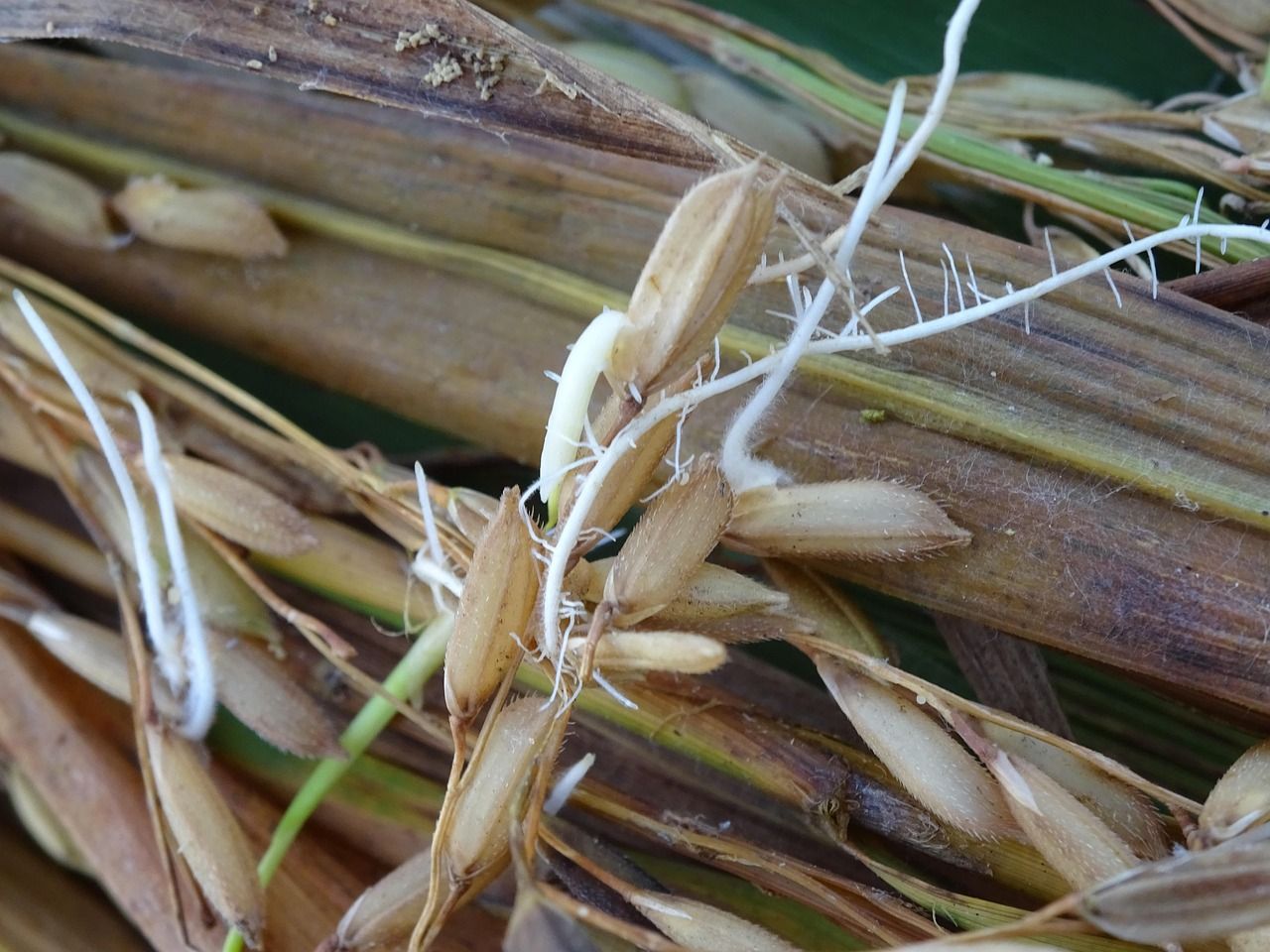
Depending on the type of seed, you should see sprouts within 5 to 10 days. If 7 out of 10 seeds sprout, you have a 70% germination rate, which is quite good. You can proceed with planting the rest of the batch, perhaps sowing them slightly more thickly than usual. If only 2 or 3 seeds sprout, the batch is weak. You might still get some plants, but it is often better to buy fresh seeds to ensure a productive harvest. If none sprout after two weeks, the batch is dead.
Understanding Seed Longevity in the Indian Climate
It is helpful to know that not all seeds have the same shelf life. The intense heat of the Indian summer and the high humidity of the monsoon play a major role in how long seeds last. Even if you follow all the right steps, some seeds naturally lose their vigor faster than others.
Short-Lived Seeds
Onions, leeks, and corn are notorious for having a short lifespan, often lasting only a year. If you have onion seeds from the previous winter season, there is a high chance they won't perform well this year. Similarly, many flower seeds like pansies or delphiniums lose viability quickly in our heat.
Long-Lived Seeds
On the other hand, many of our favorite summer vegetables are quite resilient. Tomato, cucumber, and brinjal (eggplant) seeds can often remain viable for 3 to 5 years if stored correctly. Members of the brassica family, like cabbage and cauliflower, also tend to have a decent shelf life of about 3 years. Knowing these timelines helps you decide which seeds need testing and which ones are likely still fine.
Practical Tips for Seed Storage in India
Once you have identified your good seeds, the goal is to keep them that way. In India, the biggest challenges are heat, humidity, and pests like weevils or ants. Proper storage is the key to maintaining seed viability for multiple seasons.
The Cool and Dry Rule
The ideal environment for seeds is a place that is consistently cool and very dry. While some people suggest the refrigerator, this can be tricky in India due to frequent power cuts which cause temperature fluctuations and internal condensation. A better approach for the home gardener is to use airtight glass jars. Mason jars or recycled jam jars are perfect. Add a small packet of silica gel or even a small cloth bag of dry rice or lime (choonam) at the bottom of the jar to absorb any lingering moisture.
Traditional Indian Methods
Many traditional Indian farmers use natural desiccants and repellents. Storing seeds with dried neem leaves or coating larger seeds with a thin layer of wood ash or edible oil can help prevent pest infestations. These age-old methods are still incredibly effective for keeping seeds safe in a non-refrigerated environment.
Conclusion
Knowing how to tell if seeds are good is more than just a gardening trick; it is a way to connect more deeply with the cycle of growth. By taking a few minutes to inspect, float, or sprout your seeds before planting, you ensure that your gardening efforts are focused on life and productivity. In a country with such diverse and sometimes challenging growing conditions as India, being prepared is the best way to ensure a lush, green, and bountiful garden. So, before the next planting season arrives, take out your seed collection, run these simple tests, and start your sowing with total confidence.
Can I still plant seeds that failed the float test?
While floating seeds are usually a sign of poor quality, they aren't always 100 percent dead. If you have a rare variety, you can try planting the floaters in a separate pot to see if any defy the odds, but do not rely on them for your main harvest.
Does the age of the seed packet matter if it is unopened?
Yes, the age still matters. Even in a sealed packet, the biological clock of the seed is ticking. If the packet has been sitting in a hot shop or a humid warehouse, the seeds may lose viability even before the expiration date printed on the pack.
How can I tell if chilli seeds are good without planting them?
For chilli seeds, the best way is a combination of the visual check and the paper towel test. Look for a bright, creamy color. If they are dark or have a black eye near the tip, they are likely old or damaged. The paper towel test will give you a definitive answer in about a week.
Why do my seeds look good but refuse to sprout in the soil?
If seeds pass the tests but fail in the soil, the issue might be the planting depth, soil temperature, or watering habits. In India, many seeds fail because the soil becomes too hot or dries out too quickly before the seedling can establish itself.


