

The Philosophy of Nutrition in the Indian Context
In a country as diverse as India, food is more than just sustenance; it is a celebration of culture, a ritual of hospitality, and a pillar of family life. From the buttery parathas of the north to the fermented delicacies of the south, our culinary heritage is rich and varied. However, with the rise of sedentary lifestyles and the easy availability of processed foods, many Indians are finding it difficult to maintain a healthy weight and optimal energy levels. Learning how to eat your way to better health does not mean you have to switch to expensive salads or exotic superfoods. Instead, it involves a return to our roots, combined with a modern understanding of portion control and nutritional balance.
Redefining the Indian Thali
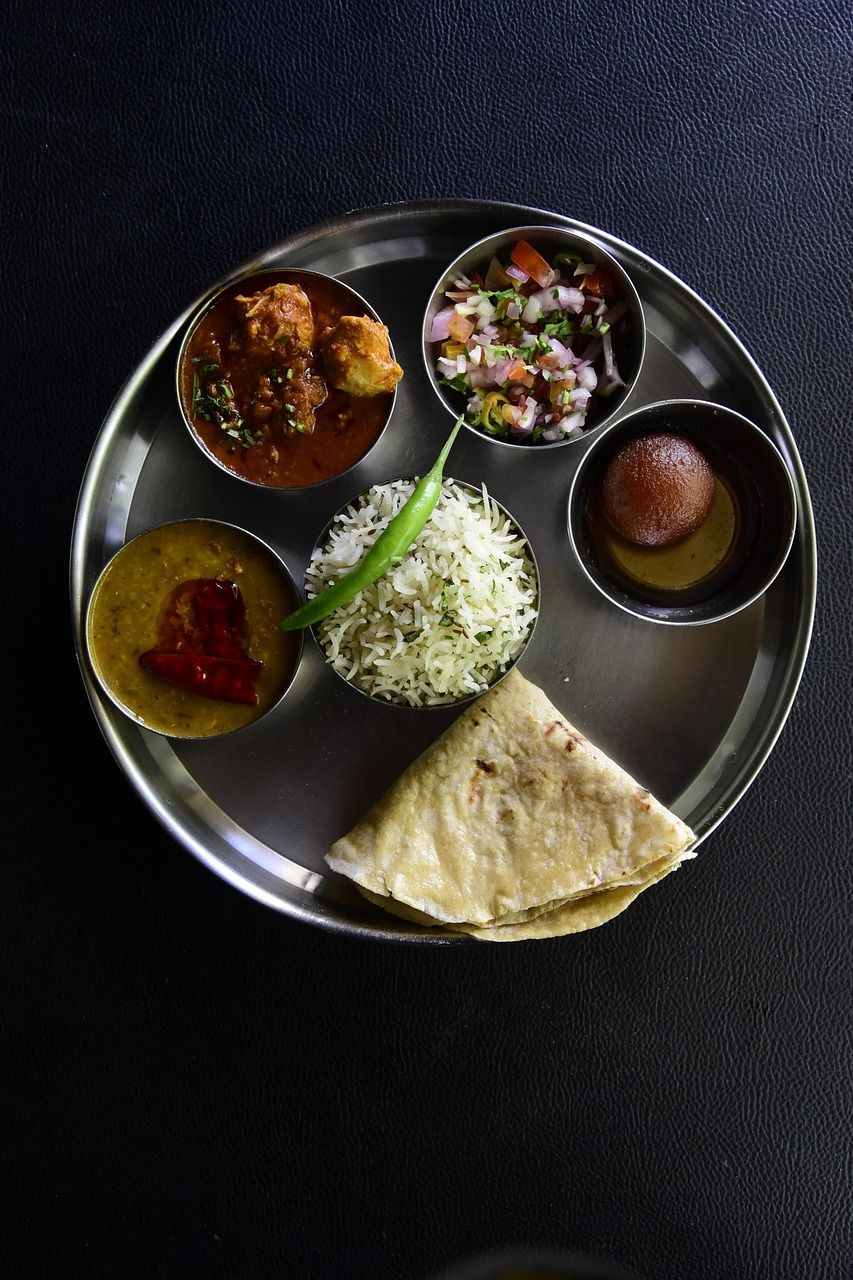
The traditional Indian thali is actually a masterclass in nutritional balance when executed correctly. It usually includes a grain (carbohydrates), a lentil or legume (protein), a vegetable dish (fiber and vitamins), and a serving of curd (probiotics). To understand how to eat your way toward a healthier body, you must look at the proportions on your plate. A common mistake in modern Indian households is the over-reliance on carbohydrates. We often fill half our plate with rice or multiple rotis, leaving only a small corner for vegetables and lentils. By simply reversing these proportions—filling half the plate with seasonal vegetables and keeping grains to a quarter—you can significantly improve your metabolic health.
The Power of Ancient Grains and Millets
For decades, polished white rice and refined wheat flour (maida) have dominated our diets. While these provide quick energy, they often lead to blood sugar spikes and weight gain. To truly master how to eat your way to fitness, you should consider reintroducing millets like Ragi (finger millet), Jowar (sorghum), and Bajra (pearl millet) into your daily meals. These grains are gluten-free, rich in fiber, and have a lower glycemic index. In many parts of rural India, these were once the primary staples. Incorporating a Ragi dosa for breakfast or a Jowar bhakri for dinner can provide sustained energy and keep you full for longer periods, reducing the urge to snack on unhealthy processed items.
The Role of Indian Spices as Medicine
The Indian spice box, or Masala Dani, is essentially a home pharmacy. Spices like turmeric (haldi), cumin (jeera), black pepper (kali mirch), and cinnamon (dalchini) are loaded with anti-inflammatory and antioxidant properties. When you focus on how to eat your way to a stronger immune system, these ingredients play a vital role. For instance, the curcumin in turmeric is better absorbed when paired with black pepper. Using these spices in your daily cooking helps in digestion, reduces internal inflammation, and helps manage blood sugar levels. Instead of relying on external supplements, optimizing the use of these traditional ingredients can provide long-term health benefits.
Mindful Eating and the 32-Chew Rule
How you eat is just as important as what you eat. In the hustle and bustle of modern life, many of us eat while scrolling through our phones or watching television. This distracted eating leads to overconsumption because the brain does not receive the signal of fullness in time. A core component of learning how to eat your way to a better digestive system is practicing mindfulness. Ancient Indian traditions often emphasized sitting on the floor (Sukhasana) to eat and chewing food thoroughly. Chewing your food roughly 32 times—as often suggested in Ayurvedic practices—breaks down the food more effectively and mixes it with saliva enzymes, ensuring better nutrient absorption and preventing bloating.
Navigating Social Gatherings and Festivals
One of the biggest challenges for Indians is maintaining a healthy diet during festivals and weddings. These events are often centered around calorie-dense sweets and deep-fried snacks. However, you can still learn how to eat your way through a wedding feast without derailing your progress. The key lies in the sequence of eating. Start with a glass of water or a bowl of clear soup to settle your hunger. Move on to fiber-rich salads and protein-based starters like paneer tikka or grilled chicken. By the time you reach the main course and desserts, you will naturally be more satisfied and less likely to overindulge in high-fat gravies and sweets. Moderation, rather than total deprivation, is the secret to sustainability.
Hydration and the Desi Way of Drinking Water
Hydration is often overlooked when discussing nutrition. In India, we have access to incredible natural hydrators like coconut water, buttermilk (chaas), and lemon water (nimbu paani). These are far superior to carbonated drinks or packaged juices which are loaded with sugar. Learning how to eat your way to glowing skin and high energy levels includes drinking enough water throughout the day. However, Ayurveda suggests avoiding large amounts of water immediately before or after a meal, as it can dilute digestive juices. Small sips of warm water or ginger tea can actually aid the digestive process.
Seasonal and Local Eating
The modern supermarket allows us to buy any fruit or vegetable at any time of the year, but this isn't always beneficial. Nature provides what the body needs based on the season. For example, cooling foods like cucumbers and watermelons are abundant in summer, while warming foods like sesame seeds and root vegetables appear in winter. To truly understand how to eat your way to a balanced life, prioritize local and seasonal produce. This ensures that the food you consume is fresh, nutrient-dense, and hasn't traveled thousands of miles, losing its vital enzymes along the way.
Conclusion: A Journey, Not a Destination
Improving your health through food is a marathon, not a sprint. It is about making small, consistent changes that add up over time. By focusing on whole foods, controlling your portions, and respecting the traditional wisdom of Indian cooking, you can transform your relationship with food. Remember that the goal is not perfection, but progress. When you understand how to eat your way toward wellness, you empower yourself to live a more vibrant, energetic, and disease-free life. Start today by making one better choice at your next meal, and watch how your body responds with gratitude.
Can I eat white rice and still lose weight?
Yes, you can eat white rice, but portion control is essential. Pair it with a high amount of fiber-rich vegetables and protein-heavy lentils to lower the overall glycemic load of the meal.
Is a vegetarian Indian diet sufficient for protein?
A vegetarian diet can be sufficient if you include diverse sources such as paneer, curd, sprouts, lentils, and chickpeas. However, you must ensure you are eating enough of these items daily to meet your requirements.
What is the best time for dinner in an Indian lifestyle?
Ideally, you should aim to finish dinner at least two to three hours before sleeping. In the Indian context, eating an early dinner around 7:30 PM or 8:00 PM can significantly improve digestion and sleep quality.
How do I handle sweet cravings after meals?
Instead of refined sugar sweets, try a small piece of jaggery, a date, or a few raisins. These provide sweetness along with minerals and do not cause the same drastic insulin spikes as processed sugar.
Is it necessary to skip oil entirely for health?
No, healthy fats are essential for nutrient absorption. Instead of skipping oil, switch to cold-pressed oils like mustard, coconut, or groundnut oil, and use them in moderation rather than deep-frying.


