

The Challenge of Authenticity in the Indian Market
Walking through the vibrant lanes of Sarojini Nagar in Delhi or Fashion Street in Mumbai, you are often greeted by a sea of luxury logos at prices that seem impossible. We have all seen it: a designer handbag for the price of a pizza or high-end sneakers sold at the cost of a movie ticket. While the thrill of a bargain is a deep-rooted part of Indian culture, there is a significant difference between a good deal and a counterfeit product. Learning how to spot a fake is no longer just about fashion; it is about protecting your hard-earned money and, in some cases, your health and safety.
The market for first copies and replicas has grown exponentially with the rise of social media sellers and unregulated e-commerce platforms. For a consumer, the line between an original and a high-quality duplicate is becoming thinner every day. This guide will walk you through the essential steps to identify counterfeit goods across various categories, ensuring you always get the real deal.
Universal Red Flags for Every Shopper
Regardless of what you are buying, there are certain universal signs that a product might not be genuine. These are the first things you should check before handing over your cash or entering your UPI PIN.
1. The Price Is Too Good to Be True
This is the most obvious indicator. If an international brand known for high pricing is being offered at a 70% or 80% discount on a non-reputable site, alarm bells should ring. Brands like Apple, Sony, or Louis Vuitton rarely offer massive discounts outside of their official channels. In India, if you find a brand-new iPhone being sold for thirty thousand rupees, it is almost certainly a fake or a refurbished unit being passed off as new.
2. Packaging Flaws
Authentic brands invest heavily in their packaging. If the box is made of flimsy cardboard, has faded printing, or features spelling mistakes, it is a clear sign of a counterfeit. Pay close attention to the fonts and logos on the box. Counterfeiters often use slightly different fonts or alter the spacing between letters to avoid direct legal issues while still trying to trick the eye.
3. Missing Documentation and Warranty Cards
Genuine products always come with proper documentation. This includes instruction manuals in multiple languages, warranty cards with specific serial numbers, and often a certificate of authenticity for luxury goods. In India, electronics should come with a valid warranty that can be registered on the official manufacturer website. If the seller tells you that the product is imported and therefore has no warranty, proceed with extreme caution.
How to Spot Fake Fashion and Accessories
The fashion industry is perhaps the hardest hit by the counterfeit market. From sneakers to handbags, replicas are everywhere.
Inspecting Handbags and Leather Goods
Luxury brands are obsessed with detail. Check the stitching first. On an authentic bag, the stitching will be perfectly straight, even, and consistent. There should be no loose threads or frayed edges. Authentic leather has a distinct smell and a slight irregularity in its grain. Fake leather often smells of chemicals or plastic and feels overly smooth or unnaturally glossy. Additionally, check the hardware. Zippers on high-end bags should glide smoothly and usually have the brand logo engraved clearly, not just printed on top.
Spotting Fake Sneakers
Sneaker culture in India has exploded, and with it, the market for fakes. To identify a fake pair of Nikes or Adidas, look at the logos and the midsole. Fake shoes often have sloppy glue marks where the sole meets the fabric. The weight is another giveaway; fakes are often much lighter because they use inferior materials. Always compare the SKU code on the box with the label inside the shoe; they must match perfectly.
Electronics: A Matter of Safety
Buying fake electronics is not just a financial loss; it can be dangerous. Poorly made batteries and chargers are known to overheat or cause short circuits.
The BIS Mark
In India, legitimate electronic products should carry the Bureau of Indian Standards (BIS) hallmark. This indicates that the product has undergone safety testing. While some sophisticated fakes may copy the logo, they often miss the specific R-number associated with it. You can verify these numbers on the official BIS mobile app.
Charging Cables and Ports
Fake chargers are very common. Look at the pins of the plug. Genuine Apple or Samsung chargers have a smooth, polished finish on the pins. Fakes often have a dull, grainy, or uneven finish. The text on the charger should be clear and legible. If the printing is blurry or looks like it could be scratched off with a fingernail, it is a fake.
The Critical Case of Medicines and Cosmetics
This is where the stakes are highest. Counterfeit medicines and skincare products can cause severe health issues.
Verifying Medicines in India
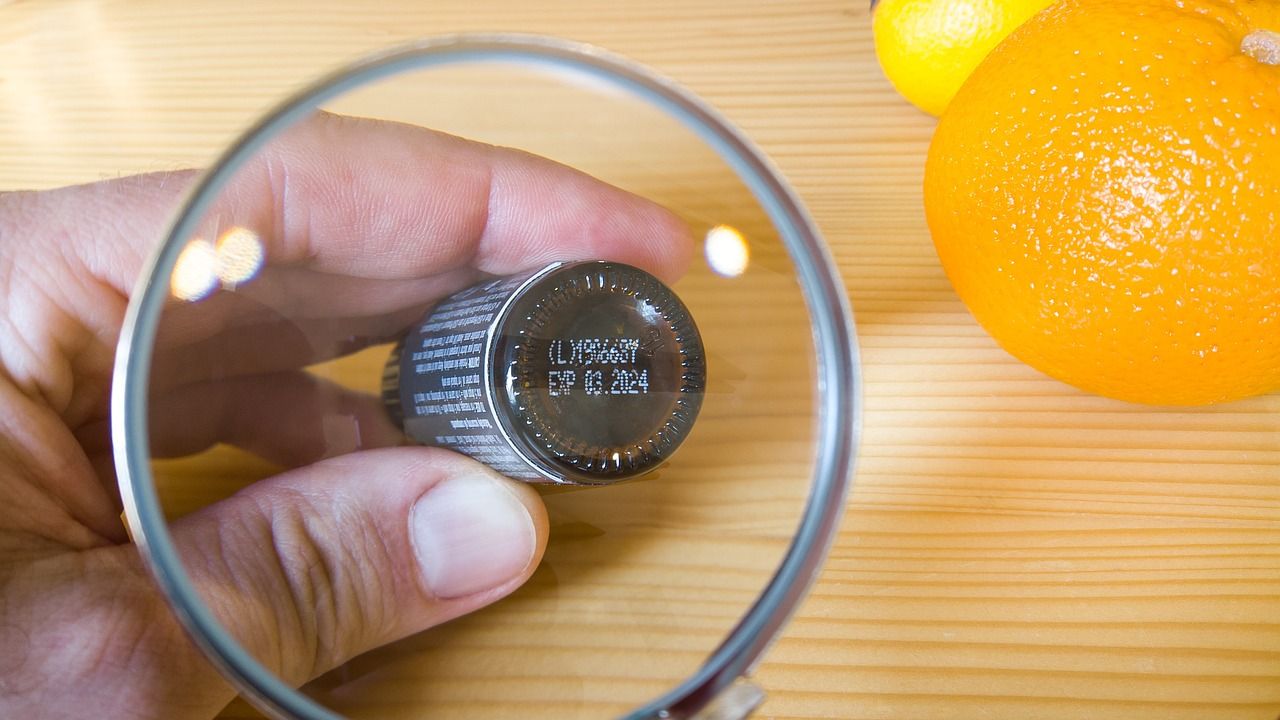
The Indian government has mandated QR codes on the packaging of many top-selling medicines. By scanning these codes, you can verify the manufacturer and the batch details. Always check the foil or the bottle for spelling errors in the drug name. Ensure the expiry date and batch number are clearly embossed or printed. If the packaging looks tampered with or the seal is broken, do not consume the medicine.
Cosmetics and Perfumes
Fake cosmetics often contain harmful levels of lead or mercury. When buying from local markets, check the consistency of the product. If a lipstick has a strange chemical smell or a foundation separates unusually, it is likely a fake. For perfumes, the scent of a fake will usually disappear within thirty minutes, whereas an original fragrance has complex layers that last for hours. In India, always prefer buying from authorized retailers like Nykaa, Shoppers Stop, or the brand’s official outlets.
Digital Verification Tools
In the age of smartphones, technology is your best ally. Many brands now include hidden security features that can be checked via an app. QR codes are becoming standard. When you scan a genuine QR code, it should take you to the brand's official domain, not a random third-party website. For high-end electronics, always check the serial number on the manufacturer's official support page to see if the warranty is active and the model matches.
Conclusion: Buying with Confidence
Identifying a fake requires a mix of common sense, observation, and a bit of research. While the temptation to save money on a replica is strong, the long-term value of an original product—its durability, safety, and performance—always outweighs the initial savings of a counterfeit. By paying attention to the details of packaging, verifying serial numbers, and choosing reputable sellers, you can navigate the Indian market with confidence. Remember, an informed consumer is a protected consumer. Stay sharp, look closely, and never settle for a fake when you are paying for quality.
Is a 'First Copy' the same as a fake product?
Yes, 'First Copy' is a marketing term used by sellers to describe a high-quality counterfeit or replica. Regardless of the term used, it is still an unauthorized imitation and is not a genuine product of the brand.
How can I verify if an electronic item is genuine in India?
You should check for the BIS (Bureau of Indian Standards) mark and verify the R-number on the BIS Care app. Additionally, register the product's serial number on the manufacturer's official website to confirm its authenticity and warranty status.
Are products sold on large Indian e-commerce sites always real?
Not necessarily. While platforms like Amazon and Flipkart have strict policies, they are marketplaces with many third-party sellers. Always check for the 'Verified' or 'Assured' tag and look at seller ratings and reviews before making a purchase.
What should I do if I accidentally buy a fake product?
If you bought it online, immediately raise a return request citing the product as counterfeit. You can also file a complaint through the National Consumer Helpline or the INGRAM portal if the seller refuses to cooperate.


