

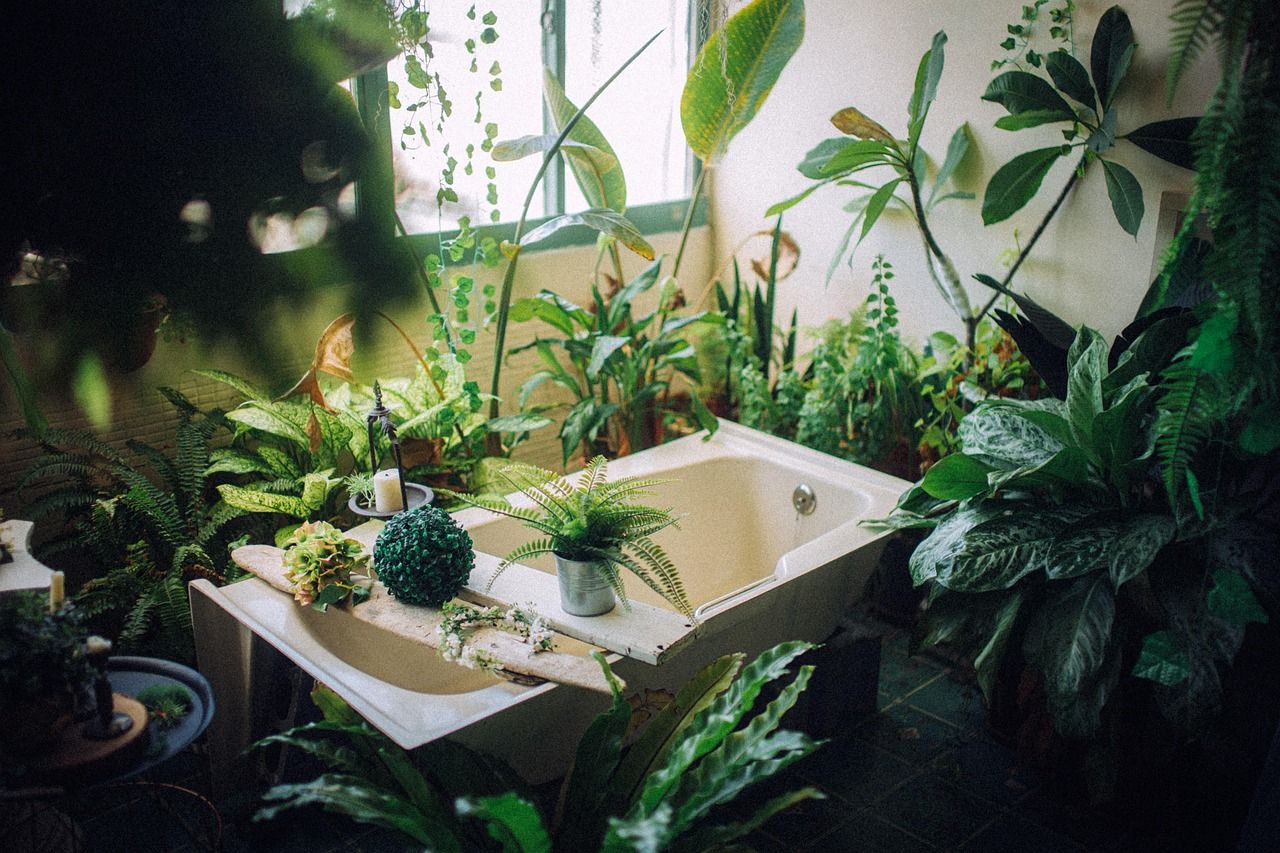
Bringing the Lushness of the Tropics Inside
India is a land of vibrant sunlight and diverse climates. Whether you are living in the humid coastal regions of Mumbai or the dry heat of Delhi, there is a universal desire to make our homes feel like a cool, refreshing sanctuary. One of the most effective ways to achieve this is by learning how to bring the tropical aesthetic into your living space. This style is not just about aesthetics; it is about creating an environment that feels alive, breathable, and deeply connected to nature. In this guide, we will explore practical steps to transform your Indian apartment or house into a tropical paradise using local materials, specific plant species, and clever design choices.
Why the Tropical Theme Suits Indian Homes
The tropical design philosophy aligns perfectly with the Indian lifestyle for several reasons. First, the use of natural materials like cane, bamboo, and wood has been part of our heritage for centuries. Second, a tropical interior focuses on ventilation and coolness, which is essential given our long summers. By choosing this style, you are not just following a trend but rather embracing a functional way of living that respects the local climate. Bringing the tropical look inside helps in lowering the perceived temperature of a room, making it feel airy and less cluttered.
The Foundation: Choosing the Right Indoor Plants
The heart of any tropical home is greenery. However, not every plant thrives in an indoor Indian environment. To successfully bring the tropical feel, you need to select plants that offer large, lush foliage and can handle varying humidity levels. Here are some of the best picks for Indian households:
Areca Palm
Perhaps the most iconic tropical plant in India, the Areca Palm is excellent for adding height and a feathery texture to corners. It acts as a natural humidifier, which is a bonus during dry summer months.
Monstera Deliciosa
Known for its unique leaf holes, the Monstera adds an instant exotic feel. It thrives in bright, indirect sunlight, making it perfect for a spot near a window in a typical urban flat.
Snake Plant and ZZ Plant
If you are a beginner or live in a space with low light, these plants are your best friends. They provide that deep green color associated with the tropics without requiring constant attention.
Rubber Plant
With its thick, glossy leaves, the Rubber Plant brings a sense of drama and richness to the interior. It is sturdy and can grow quite large, acting as a living statement piece.
Colors and Textures that Evoke the Tropics
While green is the primary color, the supporting palette is what defines the space. To bring the tropical vibe effectively, you should look beyond just the plants. Start with a neutral base. Whites, creams, and soft beiges allow the greenery to stand out. From there, introduce earthy tones like terracotta, ochre, and deep blues to represent the earth and the sea.
Texture plays a massive role in this style. Instead of cold metals or synthetic plastics, opt for natural fibers. Jute rugs are a fantastic addition to an Indian living room. They are durable and add an organic feel underfoot. Rattan and wicker furniture are also staples of the tropical look. In India, you can find skilled local artisans who create beautiful cane chairs and baskets that fit this aesthetic perfectly without breaking the bank.
Furniture and Layout for a Breezy Feel
The layout of a tropical home should prioritize flow and air circulation. Avoid overcrowding your rooms with heavy, bulky furniture. Instead, choose pieces with legs that sit high off the floor, which allows light and air to pass under them, creating an illusion of more space. In an Indian context, using light-colored wood like teak or sheesham in minimalist designs can work wonders.
Think about creating zones. A small reading nook by a window with a comfortable cane lounge chair and a side table made of reclaimed wood can become your personal tropical retreat. Use sheer curtains instead of heavy drapes. This allows natural sunlight to filter in gently while maintaining privacy and keeping the room cool.
Integrating Botanical Prints and Art
If you cannot fill every corner with real plants, you can bring the tropical theme through textiles and artwork. Cushion covers featuring palm leaf prints, floral motifs, or exotic bird patterns can instantly change the mood of a sofa. However, the key is moderation. Too many competing patterns can make a room feel chaotic. Choose one or two focal points, such as a large piece of wall art depicting a jungle scene or a patterned rug, and keep the rest of the decor simple.
Transforming Your Balcony into a Mini Rainforest
For most Indian urban dwellers, the balcony is the only connection to the outdoors. This is the prime spot to maximize the tropical feel. You can use vertical planters to cover walls with creepers like Money Plants or Philodendrons. Adding a small water feature, like a tabletop fountain, can introduce the soothing sound of water, which is a hallmark of tropical resorts. Combine this with some outdoor-grade wooden flooring or even artificial grass to create a seamless transition from your indoor tropical sanctuary to the outside.
Maintenance and Practical Tips for India
Maintaining a tropical home in India requires a bit of strategy. During the monsoon, humidity is high, which plants love, but it can also lead to mold on wooden furniture. Ensure your space is well-ventilated. In the peak of summer, your indoor plants will need misting to stay vibrant. Another practical tip is to keep an eye on pests. Lush greenery can sometimes attract insects; using organic neem oil sprays is a safe and effective way to keep your indoor jungle healthy.
Sustainable Choices for a Tropical Home
Tropical decor is inherently connected to nature, so it makes sense to choose sustainable options. Opt for handmade items from local Indian markets rather than mass-produced plastic decor. Use clay pots and planters which are breathable for the plants and add a rustic, earthy charm to your home. Repurposing old wooden furniture by sanding it down and giving it a light polish can also contribute to that relaxed, lived-in tropical aesthetic.
Conclusion
Learning how to bring the tropical essence into your home is a journey of connecting with nature and simplifying your surroundings. By focusing on lush greenery, natural materials, and an airy layout, you can create a space that offers a respite from the hectic pace of modern life. Whether you start small with a few potted palms or go for a full room makeover with cane furniture and botanical prints, the result will be a home that feels like a permanent vacation. Embrace the warmth, the textures, and the vibrant life that this style brings, and enjoy your very own slice of paradise in the heart of India.
Which plants are best for a low-light Indian apartment?
For apartments with limited sunlight, the Snake Plant, ZZ Plant, and Peace Lily are excellent choices. They are hardy, require minimal maintenance, and can thrive in shaded corners while still providing a lush, green tropical look.
How do I prevent mosquitoes in a plant-heavy tropical home?
To avoid mosquitoes, ensure there is no stagnant water in your plant saucers. You can also grow mosquito-repellent plants like Lemongrass or Citronella near windows and use neem-based organic sprays to keep pests away.
Is tropical decor expensive to maintain in India?
Not at all. In fact, many elements of tropical decor like cane furniture, jute rugs, and terracotta pots are locally produced and quite affordable in India. The main cost is the initial purchase of plants and their basic upkeep.
What colors represent the tropical theme best for Indian walls?
Off-white, soft cream, and pale sage green are ideal for walls. these colors reflect light and provide a neutral backdrop that makes your green plants and wooden furniture stand out without making the room feel dark or small.


