

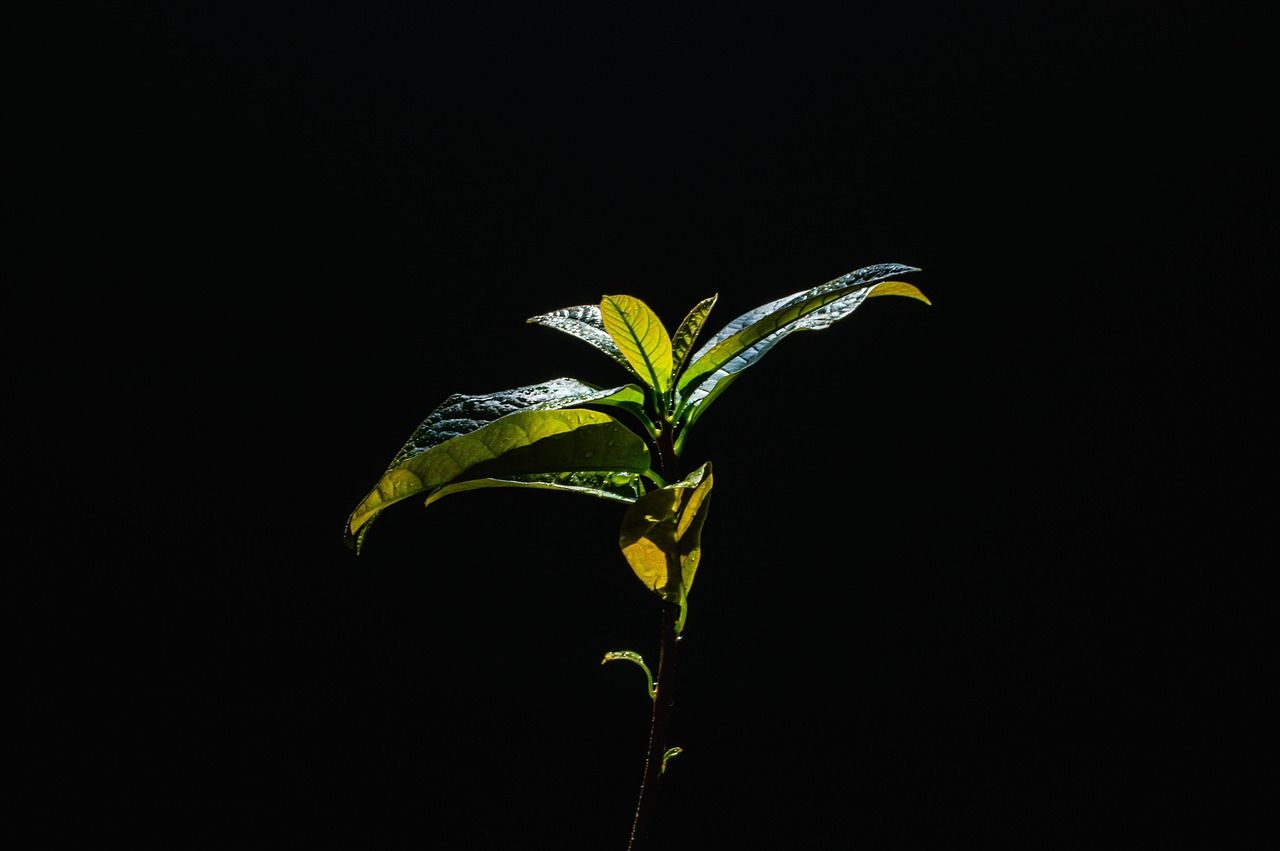
Introduction to Growing Avocados in India
In recent years, the avocado has transitioned from an exotic mystery to a household favorite in India. Known popularly as Butter Fruit or Makhanfal in many regions, especially in the southern states like Karnataka and Kerala, this creamy fruit is packed with healthy fats and nutrients. While they were once primarily imported and sold at high prices in gourmet stores, more Indian gardeners are now curious about how to grow an avocado right in their own backyards or balconies.
Growing an avocado tree is a journey of patience and rewards. Whether you are living in the humid coastal regions or the subtropical plains of the North, you can successfully cultivate this tree if you follow the right techniques. This guide will walk you through every step of the process, tailored specifically for the Indian climate and soil conditions, ensuring your green thumb leads to a thriving, fruit-bearing tree.
Understanding the Indian Context for Avocado Cultivation
Before you stick a seed in the ground, it is vital to understand that avocados are not native to India. They thrive in tropical and subtropical climates with high humidity and moderate temperatures. In India, regions like the Western Ghats, parts of Tamil Nadu, Kerala, and the northeastern states provide the ideal environment. However, with the right care, you can grow them in cities like Bangalore, Pune, or even Delhi, provided you manage the extreme summer heat.
The Best Varieties for India
While the Hass avocado is the most famous worldwide, it is not always the best choice for every part of India. In Indian nurseries, you might encounter varieties like Fuerte, Pinkerton, or local selections often referred to simply as Green Gold. If you are a beginner, starting with a variety suited to your specific local heat levels is a wise move. Grafted plants from a local nursery are often more resilient than those grown purely from seeds found in store-bought fruit.
Step 1: Preparing the Avocado Seed
The most common way hobbyists start their journey is by using the pit or seed from a fruit they just ate. Here is how you prepare it for growth:
- Extraction: Carefully remove the pit from a ripe avocado without cutting it. Wash it gently under plain water to remove all the green flesh. Do not use soap or scrub too hard; you want to keep the brown skin on the pit intact.
- Identifying the Ends: Every avocado pit has a top, from which the sprout will emerge, and a bottom, where the roots will grow. The slightly pointier end is the top, while the flatter end is the bottom.
- The Toothpick Method: Take three or four toothpicks and pierce them into the middle of the pit at a slight downward angle. These will act as a scaffolding to balance the seed over a glass of water.
Step 2: The Germination Phase
Place the seed over a glass or jar filled with water so that the bottom half of the pit is submerged. Set the glass on a windowsill with plenty of light but away from direct, scorching afternoon sun, which is common in Indian summers.
Maintaining the Water
It is crucial to change the water every five to seven days to prevent the growth of bacteria, mold, and fungus. In the warm Indian climate, water can stagnate quickly, so be diligent. Within two to six weeks, you should notice the brown skin wrinkling and eventually cracking. A small taproot will emerge from the bottom, followed by a tiny sprout at the top. Do not rush this process; nature takes its time.
Step 3: Potting the Seedling
Once the stem is about six inches long and has developed a few leaves, it is time to move it from water to soil. In India, choosing the right pot and soil mix is the difference between success and failure.
The Perfect Soil Mix
Avocados hate wet feet. They are highly susceptible to root rot, which is common during the Indian monsoon. Use a well-draining potting mix. A good ratio is 40 percent garden soil, 30 percent coarse sand or perlite, and 30 percent organic compost or vermicompost. Avoid using heavy clay soil that retains too much water.
Choosing the Container
Start with a medium-sized pot, roughly 10 to 12 inches in diameter, with ample drainage holes at the bottom. Place the seedling in the soil so that the top half of the seed is still exposed above the soil line. Press the soil firmly around the base and water it well.
Step 4: Sun and Temperature Management
Avocados love the sun, but young plants in India can easily get scorched. During the intense summer months where temperatures exceed 35 degrees Celsius, it is best to keep your young tree in a spot that receives morning sunlight but is shaded during the harsh afternoon hours. As the tree matures and its canopy grows, it becomes more resistant to heat. However, if you live in North India where winters can get frosty, you will need to bring your potted tree indoors or cover it, as avocados are very sensitive to frost.
Step 5: Watering and Fertilization
Watering is the most delicate part of avocado care. The soil should be kept moist but never soggy. A good rule of thumb in the Indian climate is to check the top inch of soil; if it feels dry, it is time to water. During the monsoon, you may not need to water at all, but ensure that your pot is not sitting in a puddle of water.
Feeding Your Tree
Avocados are heavy feeders. Use an organic fertilizer or well-rotted cow manure every two months during the growing season (February to October). You can also use a balanced NPK fertilizer if you prefer. In India, adding a handful of neem cake powder to the soil once a year can help protect the roots from soil-borne pests and fungus.
Step 6: Pruning for Growth
When the plant reaches about 12 inches in height, pinch off the top two sets of leaves. This might feel counterproductive, but it encourages the plant to grow side branches and become bushier rather than just growing a single tall, weak stem. Repeat this process every time the branches grow another six to eight inches.
Common Challenges and Solutions
Growing an avocado in India comes with its set of challenges. One common issue is leaf browning at the tips. This is often caused by salt buildup in the soil from tap water or over-fertilization. To fix this, leach the soil by watering it deeply until water runs out of the drainage holes for several minutes.
Another issue is the dreaded Aphids or Mealybugs. These can be managed by spraying the leaves with a diluted neem oil solution or a mild soapy water spray. Always check the undersides of the leaves, as that is where pests like to hide.
The Long Game: When Will it Fruit?
It is important to manage expectations. A tree grown from a seed can take anywhere from 5 to 13 years to produce fruit, and sometimes it may never fruit at all if the conditions aren't perfect. If your primary goal is to harvest avocados, it is highly recommended to purchase a grafted tree from a reputed nursery. Grafted trees are more predictable and can start fruiting in as little as 3 to 4 years.
Conclusion
Growing an avocado tree in India is a deeply satisfying project for any plant lover. While it requires attention to detail—especially regarding water drainage and sun protection—the sight of those glossy green leaves in your garden is worth the effort. By following these steps and adapting to your local environment, you can turn a simple leftover seed into a magnificent tropical tree that brings a touch of greenery and health to your home. Whether you are growing it for the fruit or just for its aesthetic beauty, the avocado tree is a wonderful addition to the Indian home garden.
Can avocado trees grow in hot Indian summers?
Yes, but they need protection. While mature trees can handle heat, young avocado plants should be kept in partial shade during peak summer afternoons to prevent leaf burn. Regular watering and mulching also help keep the roots cool.
How often should I water my avocado plant in India?
During the summer, you may need to water every 2 to 3 days depending on the heat. In the monsoon and winter, watering once a week or when the topsoil feels dry is usually sufficient. Always ensure the pot has good drainage to avoid root rot.
Do I need two avocado trees to get fruit?
Avocados have a unique flowering pattern involving Type A and Type B flowers. While a single tree can sometimes self-pollinate and produce fruit, having two different varieties significantly increases the chances of a successful harvest through cross-pollination.
Why are the leaves of my avocado tree turning yellow?
Yellow leaves are usually a sign of overwatering or poor drainage, leading to root stress. Ensure the soil is not waterlogged and that you are using a well-draining potting mix. Occasionally, it can also indicate a lack of nitrogen in the soil.


