

Introduction to Growing Garlic in the Indian Climate
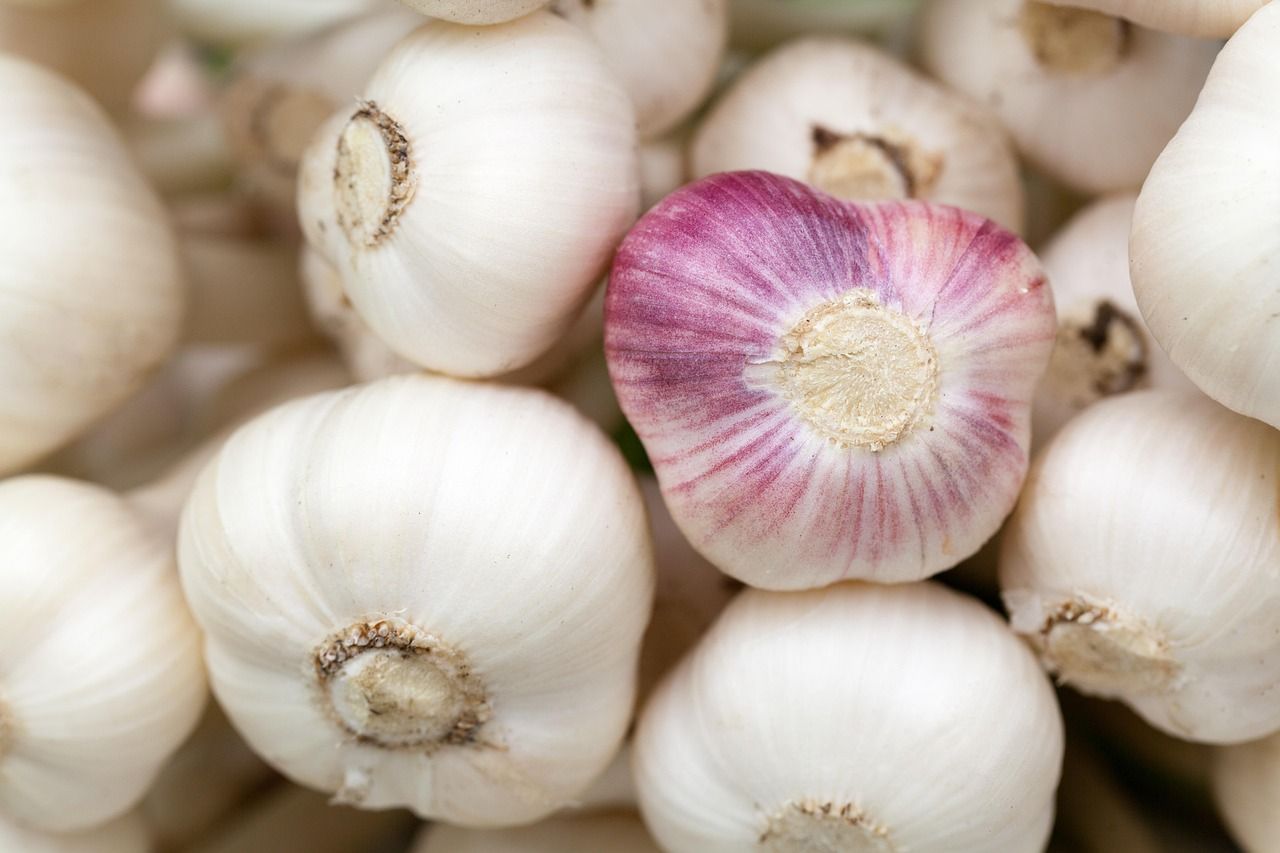
Garlic, known as Lahsun in Hindi, is an indispensable part of the Indian kitchen. From the aromatic base of a rich tadka to its various medicinal applications in Ayurveda, garlic is a powerhouse of flavor and health. For many gardening enthusiasts and small-scale farmers, learning how to grow garlic in India is a rewarding journey that offers a fresh, chemical-free harvest that far exceeds the quality of store-bought bulbs. Growing your own garlic allows you to control the soil quality and ensures that no harmful pesticides are used during the cultivation process.
In India, garlic is primarily grown as a Rabi crop, meaning it thrives during the cooler winter months. While it might seem like a slow process, as garlic takes several months to reach maturity, the actual hands-on work required is minimal. Whether you have a sprawling backyard or just a few containers on a sunny balcony, this guide will walk you through the entire lifecycle of a garlic plant, specifically tailored to the unique climatic conditions and soil types found across the Indian subcontinent.
The Best Time to Plant Garlic in India
Understanding the timing is the most critical factor when learning how to grow garlic in the Indian context. Since garlic requires a cool period for vegetative growth and a warmer, drier period for bulb maturation, the timing must be precise. For most parts of North and Central India, the ideal window for planting is between September and November. In regions with harsher winters, such as the Himalayan foothills, planting can even happen in late August.
In South India, where the climate is more tropical, garlic is often grown in higher altitude regions like the Nilgiris, where the temperature remains moderate. For those in the plains of the South, it is best to wait for the cooler months of November or December to start your crop. The general rule is that garlic needs temperatures between 12 to 25 degrees Celsius for initial growth. If you plant too early during the heat of the monsoon, the cloves may rot; if you plant too late, the bulbs will not have enough time to grow large before the intense summer heat sets in.
Selecting the Right Garlic Varieties
In India, garlic varieties are often categorized by the region they are traditionally grown in or by the size and color of their cloves. When you are deciding how to grow garlic in your garden, choosing a variety suited to your local climate is essential. Common high-yielding varieties include G-41, G-50, and G-282. The G-282 variety is particularly popular because it produces large white bulbs that are highly preferred in the market.
Other notable varieties include Yamuna Safed and Yamuna Safed-2, which are known for their strong pungency and resistance to common pests like thrips. For home gardeners, it is often best to source organic garlic bulbs from a local nursery or a trusted seed supplier rather than using the garlic purchased for cooking from the grocery store. Grocery store garlic is often treated with sprout inhibitors to extend shelf life, which can prevent them from growing successfully in your soil.
Soil Preparation and Requirements
Garlic is a heavy feeder that requires nutrient-rich, well-draining soil. The ideal soil type is a sandy loam that is rich in organic matter. If your soil is heavy clay, the garlic bulbs will struggle to expand and may become misshapen or rot due to water retention. To prepare your soil, you should start by tilling the earth to a depth of at least 8 to 10 inches. This ensures that the roots can penetrate deeply and the bulb can grow without physical resistance.
Incorporate plenty of well-rotted cow dung manure (Gobar ki Khad) or high-quality vermicompost into the soil at least two weeks before planting. Garlic prefers a soil pH between 6.0 and 7.5. If your soil is too acidic, you can add a small amount of lime; if it is too alkaline, sulfur or organic compost can help balance it. Proper drainage is non-negotiable; if you are growing in a region with heavy late-season rains, consider building raised beds to ensure water does not stagnate around the delicate bulbs.
Step-by-Step Guide to Planting Garlic
The process of planting garlic starts with the cloves. Take a whole garlic bulb and carefully separate the individual cloves, keeping the papery skin intact as much as possible. Choose the largest, healthiest-looking cloves for planting, as larger cloves generally produce larger bulbs. You can use the smaller cloves for your daily cooking.
Planting Depth and Spacing
When you are ready to plant, create small furrows in the soil. Place each clove with the pointed end facing upward and the flat, blunt end (the root end) facing downward. The depth should be about 2 to 3 inches. If you plant them too shallow, the cloves may dry out or be disturbed by birds; if too deep, the shoot may struggle to reach the surface.
Spacing is vital for airflow and bulb expansion. Keep a distance of about 4 to 6 inches between each clove. If you are planting in rows, the rows should be spaced about 10 to 12 inches apart. Once the cloves are in place, cover them with soil and firm it down gently to remove any large air pockets. Water the area immediately after planting to settle the soil and kickstart the germination process.
Watering and Moisture Management
One of the most common mistakes people make when learning how to grow garlic in India is overwatering. Garlic needs consistent moisture, especially during its initial growth phase and when the bulbs are starting to swell, but it cannot tolerate waterlogged conditions. During the cool winter months, watering once every 10 to 15 days is usually sufficient, depending on your local climate and soil type.
As the weather warms up in February and March, you may need to increase the frequency to once a week. However, keep a close eye on the soil moisture. The top inch of soil should be allowed to dry out slightly between watering sessions. A critical tip for a successful harvest is to stop watering completely about two to three weeks before you plan to harvest. This allows the soil to dry out, which helps the outer skins of the garlic bulbs to toughen up, ensuring a better shelf life after they are pulled from the ground.
Fertilization and Nutrition
Garlic is a nitrogen-hungry plant during its early vegetative stage. About 30 days after planting, when you see several inches of green growth, you can apply a side-dressing of nitrogen-rich fertilizer. Organic options like diluted mustard cake (Sarson ki Khali) liquid or additional vermicompost work wonders in the Indian context. Mustard cake not only provides nutrients but also helps in keeping certain soil-borne pests at bay.
Avoid over-fertilizing with nitrogen late in the season, as this can encourage excessive leaf growth at the expense of bulb development. In the mid-stage of growth, a fertilizer balanced with phosphorus and potassium can support the development of strong, healthy bulbs. Always remember to water the plants after applying any dry fertilizer to help the nutrients reach the root zone effectively.
Mulching and Weed Control
Weed management is essential because garlic is a slow grower and does not compete well with aggressive weeds. Hand-weeding should be done carefully to avoid damaging the shallow root system of the garlic plants. To minimize weed growth and conserve soil moisture, mulching is highly recommended. You can use dried grass, straw, or even dried leaves as mulch.
In many parts of India, farmers use a thin layer of paddy straw or sugarcane trash. Mulching also helps in regulating the soil temperature, keeping the roots cool as the spring sun begins to intensify. As the mulch breaks down, it further adds organic matter to the soil, improving its texture for the next planting season.
Managing Pests and Diseases
Garlic is relatively hardy, but it is not immune to problems. In India, the most common pest is thrips. These tiny insects suck the sap from the leaves, causing them to turn silvery or white and eventually curl. Regular monitoring is key. You can manage minor infestations by spraying a strong stream of water or using an organic neem oil spray mixed with a little liquid soap.
Fungal diseases like purple blotch and downy mildew can occur if the humidity is high or if the plants are spaced too closely together. To prevent these, ensure proper spacing for air circulation and avoid overhead watering late in the evening. If you notice yellowing leaves early in the season, it may be a sign of poor drainage or nutrient deficiency rather than disease, so always check your soil conditions first.
Harvesting and Curing Your Garlic
Knowing exactly when to harvest is an art. In most parts of India, garlic planted in October will be ready for harvest by March or April. The visual cue is the leaves; when the bottom two or three leaves turn yellow or brown, but the top leaves are still green, it is time to harvest. If you wait until all the leaves are brown, the bulbs may over-mature and the skins will split, leading to poor storage quality.
To harvest, use a garden fork or a small trowel to gently loosen the soil around the bulbs. Do not pull them by the stems, as they might snap. Once lifted, shake off the excess soil. Curing is the next vital step. Move the harvested garlic to a cool, dry, and well-ventilated spot away from direct sunlight. In India, many people hang them in bundles under a veranda or a shaded shed. Let them cure for 2 to 3 weeks until the outer skins are dry and papery and the necks have shriveled. This process is what allows the garlic to be stored for several months.
Conclusion
Learning how to grow garlic in your own space is a fulfilling project that connects you with the cycle of the seasons. While it requires patience, the reward of pulling firm, pungent, and organic bulbs from your own soil is incomparable. By following the right timing for the Indian climate, preparing your soil with organic care, and managing moisture correctly, you can ensure a bountiful harvest that will flavor your meals for months to come. Start small this winter, and you will likely find that home-grown garlic becomes a permanent fixture in your gardening calendar.
Can I grow garlic from the bulbs I buy at the local sabzi mandi?
While it is possible, it is not recommended. Market garlic is often treated with chemicals to prevent sprouting and may carry soil-borne diseases. It is better to buy seed-quality garlic from a nursery or use organic bulbs that have not been treated.
How much sunlight does garlic need in India?
Garlic requires full sun to develop healthy bulbs. Ensure your planting site receives at least 6 to 8 hours of direct sunlight daily. In very hot regions, some afternoon shade during the late spring might be beneficial, but generally, the more sun, the better the bulb size.
Can I grow garlic in pots or containers?
Yes, garlic grows very well in containers. Choose a pot that is at least 8 to 10 inches deep and ensure it has good drainage holes. Space the cloves about 4 inches apart. Container-grown garlic may require more frequent watering than garlic grown in the ground.
How long does it take for garlic to be ready for harvest?
In the Indian climate, most garlic varieties take between 150 to 180 days (5 to 6 months) to reach full maturity. The duration depends on the specific variety and the temperature during the growing season.
Why are my garlic bulbs so small?
Small bulbs are usually the result of late planting, lack of sufficient sunlight, poor soil nutrition (lack of nitrogen early on), or inconsistent watering. Competition from weeds can also stunt the growth of the bulbs.


