

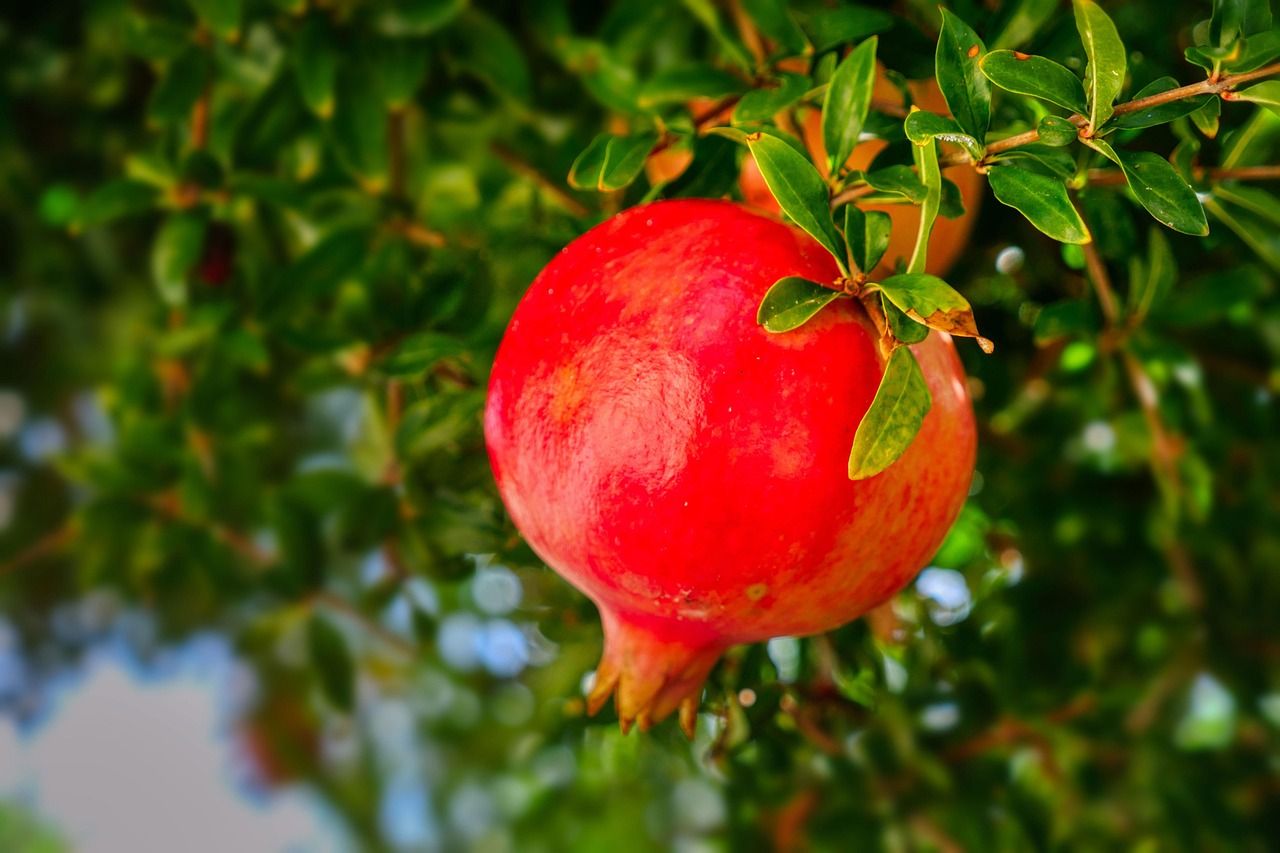
Introduction to Growing Pomegranates in India
Pomegranate, popularly known as Anar in India, is one of the most resilient and nutritionally dense fruits you can grow in your garden. Known for its vibrant red seeds and tough outer skin, this fruit has been a staple in Indian households for centuries, valued for its medicinal properties and refreshing taste. For an Indian gardener or farmer, the pomegranate tree is a rewarding choice because it is well-suited to the country's varied climatic conditions, particularly in semi-arid regions. Whether you have a sprawling backyard in Maharashtra or a large terrace pot in a bustling city like Delhi, learning how to grow a pomegranate can provide you with a lifetime supply of fresh, organic fruit. This guide will walk you through every step of the process, from selecting the right variety to harvesting the perfect fruit.
Understanding the Ideal Climate for Pomegranates
Pomegranates are naturally hardy plants that thrive in regions with hot, dry summers and cool winters. In the Indian context, they are extensively grown in states like Maharashtra, Gujarat, Rajasthan, Karnataka, and Andhra Pradesh. The tree is highly drought-tolerant, which makes it an excellent choice for areas with limited water availability. However, the quality of the fruit is significantly influenced by the temperature. For the best fruit development and sweetness, the tree requires a period of high temperatures during the ripening stage. While pomegranates can tolerate moderate frost, prolonged freezing temperatures can damage the plant. If you live in a coastal area with high humidity, you can still grow pomegranates, but you may need to be more vigilant about fungal diseases that thrive in moisture.
Selecting the Right Pomegranate Variety in India
Choosing the right variety is the most critical step in ensuring a successful harvest. In India, several high-yielding varieties have been developed to suit local conditions. One of the most popular is the Bhagwa variety, known for its deep red skin and soft, sweet seeds. It is the preferred choice for commercial farming and export due to its attractive appearance and long shelf life. Another excellent choice is Ganesh, which produces medium-sized fruits with yellowish-pink skin and very soft seeds. If you are looking for a variety that is resistant to bacterial blight, Phule Arakta is a great option. For those who prefer smaller, dark red fruits, Mridula is highly recommended. Each of these varieties has its unique flavor profile and growth habit, so choose one that aligns with your taste preferences and local environmental factors.
Soil Preparation and Requirements
Pomegranates are not overly fussy about soil, but they perform best in well-drained, sandy loam soil. The ideal soil pH for pomegranate cultivation ranges from 6.5 to 7.5, which is slightly acidic to neutral. If your soil is heavy clay, it is essential to improve drainage by adding organic matter like compost or well-rotted cow manure. Good drainage is vital because pomegranates are susceptible to root rot if the soil remains waterlogged for extended periods. Before planting, it is a good practice to dig a pit about two feet deep and two feet wide and fill it with a mixture of native soil, vermicompost, and a handful of neem cake to prevent soil-borne pests. This preparation provides the young roots with a nutrient-rich environment to establish themselves quickly.
How to Plant Pomegranate: Seed vs. Sapling
While you can grow a pomegranate tree from the seeds found inside the fruit, it is generally not recommended for home gardeners looking for quality fruit. Seed-grown plants may not produce fruit that is true to the parent plant, and they often take many years to reach maturity. Instead, it is best to purchase a grafted sapling or an air-layered plant from a reputable nursery. Air layering is the most common propagation method for pomegranates in India as it ensures that the new plant retains all the characteristics of the high-yielding mother plant. The best time to plant your pomegranate sapling is during the monsoon season (June to August) or in the early spring (February to March). This allows the plant to establish its root system before the extreme heat of summer or the dormancy of winter.
Watering and Irrigation Techniques
Although pomegranates are drought-resistant, consistent watering is necessary for fruit production. In the early stages of growth, the plant needs regular watering to help it establish. Once the tree is mature, the frequency of watering can be reduced. However, during the flowering and fruiting stages, it is crucial to maintain a steady moisture level in the soil. Irregular watering during fruit development can lead to fruit cracking, which ruins the quality of the harvest. Drip irrigation is the most efficient method for pomegranate cultivation in India, as it delivers water directly to the root zone and minimizes wastage. In a home garden setting, deep watering once or twice a week, depending on the weather, is usually sufficient.
Fertilization and Nutritious Feeding
To produce a heavy crop of juicy fruits, pomegranate trees require regular feeding. In India, organic manures like Neem cake, Mustard cake, and well-decomposed cow dung (Gobar ki khad) are highly effective. For a young plant, apply about 5 to 10 kg of organic manure once every six months. As the tree matures, you can increase this amount. In addition to organic matter, the application of chemical fertilizers like NPK (Nitrogen, Phosphorus, and Potassium) can boost growth. A common practice among Indian farmers is to apply fertilizers during the Bahar treatment, which is a specific pruning and stress period used to induce flowering. Micronutrients like Boron and Zinc are also essential to prevent fruit cracking and ensure the overall health of the tree.
Understanding the Bahar Treatment in India
One unique aspect of growing pomegranates in India is the management of flowering seasons, known as Bahar. Depending on the region and water availability, farmers choose one of three seasons for fruit production: Ambe Bahar (flowering in Jan-Feb), Mrig Bahar (flowering in June-July), and Hasth Bahar (flowering in Sept-Oct). The Mrig Bahar is the most popular across India because the flowering coincides with the onset of the monsoon, reducing the need for irrigation. To induce a specific Bahar, the tree is given a rest period where watering is withheld for a few weeks, followed by light pruning and the application of fertilizers and water. This stress triggers a profuse flowering response, ensuring a synchronized harvest.
Pruning and Training the Tree
Pruning is vital for maintaining the shape of the tree and ensuring high-quality fruit. Pomegranates have a tendency to grow like a bush with multiple suckers emerging from the base. To grow it as a tree, you should select a single main trunk and remove all the suckers that grow from the ground level. Regular pruning involves removing dead, diseased, or overcrowded branches to allow sunlight and air to reach the center of the tree. This not only promotes better fruit color but also reduces the risk of pest infestations. The best time for pruning is usually after the harvest or during the dormant winter months. Proper training of the branches ensures that they are strong enough to hold the weight of the heavy fruits.
Managing Pests and Diseases
Pomegranate trees in India are susceptible to a few specific pests and diseases. The most notorious is the Pomegranate Butterfly or Fruit Borer (Deudorix isocrates). The adult butterfly lays eggs on the flowers, and the larvae bore into the fruit, making it unfit for consumption. Bagging the fruits with butter paper or cloth bags is a safe, organic way to prevent this. Another common issue is Bacterial Blight, which causes dark spots on the leaves and fruits. Maintaining good orchard hygiene and applying copper-based fungicides can help manage this disease. Fungal leaf spots and wilt are other concerns that can be addressed by ensuring proper drainage and avoiding overhead watering. Using organic sprays like Neem oil can also deter common pests like aphids and thrips.
Harvesting and Storage
A pomegranate tree usually begins to bear fruit within two to three years of planting, with full production starting from the fifth year. The fruits are ready to harvest about five to seven months after flowering. Unlike some other fruits, pomegranates do not ripen after being picked, so it is crucial to harvest them at the right time. A ripe pomegranate will have a distinctive metallic sound when tapped, and the skin will take on a bright, matte or glossy finish depending on the variety. To harvest, always use a sharp pair of pruning shears to cut the fruit with a small portion of the stalk attached. Pomegranates have an excellent shelf life and can be stored at room temperature for several weeks or in the refrigerator for up to two months.
Conclusion
Growing a pomegranate tree is a journey of patience and care that yields delicious and healthy rewards. By understanding the specific needs of the plant—from the right soil and variety to the strategic Bahar treatment—you can enjoy a bountiful harvest even in challenging conditions. Whether you are growing for commercial purposes or simply want a beautiful addition to your home garden, the pomegranate is a versatile and resilient choice that thrives in the Indian sun. With the steps outlined in this guide, you are well on your way to successfully cultivating your own ruby-red Anar.
How long does it take for a pomegranate tree to bear fruit?
A pomegranate tree grown from a sapling or air-layered plant typically begins to bear fruit within 2 to 3 years of planting. However, a significant harvest is usually achieved from the 5th year onwards as the tree matures.
Can I grow a pomegranate tree in a pot?
Yes, pomegranates can be grown in large pots or containers, especially the dwarf varieties. Ensure the pot is at least 18 to 24 inches deep and has excellent drainage. Regular pruning and consistent watering are essential for container-grown pomegranates.
Which month is best to plant pomegranate in India?
The best time to plant pomegranate in India is during the monsoon season (June to August) when the humidity is high and the weather is mild. Alternatively, early spring (February to March) is also a suitable time before the intense summer heat begins.
Why are my pomegranates cracking on the tree?
Fruit cracking in pomegranates is often caused by irregular watering and fluctuations in soil moisture. When a long dry spell is followed by heavy watering or rain, the internal fruit grows faster than the skin, causing it to crack. Maintaining consistent soil moisture and using mulch can help prevent this.


