

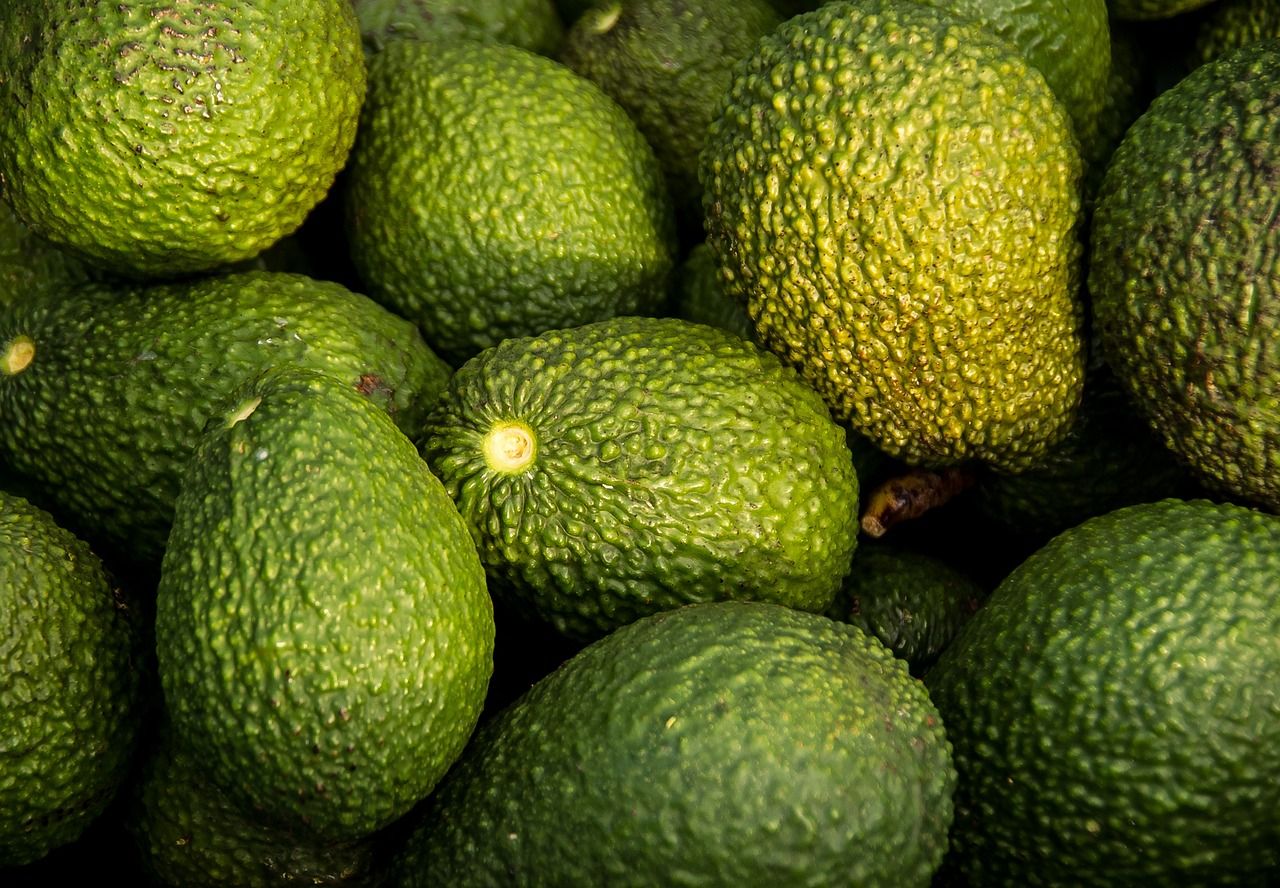
The Great Avocado Dilemma in Indian Kitchens
In India, avocados are often treated as a luxury fruit. Whether you call them avocados or by their local name in South India, butter fruit, these nutrient-dense powerhouses have become a staple for health enthusiasts across the country. From Mumbai to Bangalore, we are seeing them more frequently in local markets and online grocery apps. However, there is a catch. Avocados are notoriously expensive, often costing anywhere from 100 to 250 rupees per piece. There is nothing more heartbreaking than buying a firm, beautiful avocado only to find it has turned into a brown, mushy mess before you could enjoy your sourdough toast or guacamole.
The secret to enjoying this fruit lies entirely in timing and technique. If you have ever wondered how to store avocados so they stay perfectly green and creamy, you are in the right place. This guide is specifically designed for the Indian climate—where heat and humidity play a massive role in how produce decays—to help you get the most out of every rupee spent on this fruit.
Understanding the Avocado Ripening Process
Before we dive into the storage methods, it is essential to understand why avocados behave the way they do. Avocados do not ripen on the tree; they begin to ripen only after they are harvested. This is why you almost always find them rock-hard at the supermarket. The ripening process is driven by a natural plant hormone called ethylene gas. As the fruit sits at room temperature, it produces ethylene, which softens the flesh and develops the flavor.
In the high-heat environment of an Indian summer, this process can happen incredibly fast. One day the avocado is like a stone, and the next, it feels like it is melting. To master avocado storage, you must learn to intervene at different stages of this ripening cycle.
How to Store Avocados So They Ripen Faster
If you have bought a hard, green avocado and need it for a recipe in a day or two, you need to speed up the ethylene production. In many Indian households, we use similar tricks for ripening mangoes or bananas. The same principles apply here.
The Countertop Method
The simplest way to ripen an avocado is to leave it on your kitchen counter. However, do not just leave it in direct sunlight. The Indian sun can be too harsh and might actually cook the fruit or cause it to rot prematurely. Place it in a cool, shaded corner of your kitchen. Depending on the initial firmness, it will take anywhere from 3 to 7 days to ripen.
The Brown Paper Bag Trick
If you need to speed things up, place the avocado inside a brown paper bag. The bag traps the ethylene gas produced by the fruit, concentrating it around the skin and accelerating the softening process. For an even faster result, add a banana or a red apple to the bag. These fruits are high ethylene producers and will act as a catalyst. In a warm Indian kitchen, this can reduce ripening time to just 24 to 48 hours.
How to Store Avocados So They Stay Fresh Once Ripe
Once your avocado yields to gentle pressure, it is ready to eat. But what if you are not ready to eat it yet? This is where most people make a mistake. If you leave a ripe avocado on the counter in the Indian heat, it will be overripe and brown inside by the next morning.
The Power of Refrigeration
As soon as the avocado is ripe, move it to the refrigerator. The cold temperature significantly slows down the metabolic process of the fruit. A ripe, whole avocado can stay in the fridge for another 3 to 5 days without losing its texture. Place it in the crisper drawer where the humidity is controlled. Do not store it near the back of the fridge where it might accidentally freeze, as freezing a whole avocado ruins the cellular structure and makes it watery upon thawing.
How to Store Avocados So They Do Not Turn Brown After Cutting
This is the most common challenge. You only needed half an avocado for your morning shake, and now you have a remaining half that is destined to turn brown within an hour. This browning is called oxidation, which happens when an enzyme in the avocado reacts with oxygen in the air. To stop this, you must create a barrier between the fruit and the air.
The Lemon or Lime Juice Shield
Citric acid is a powerful antioxidant. Squeeze some fresh lemon or lime juice over the exposed flesh of the avocado. The acid prevents the enzyme from reacting with oxygen. In India, where lemons are a kitchen staple, this is the most accessible method. Once coated, wrap the half tightly in cling film, ensuring the plastic is touching the surface of the fruit so there are no air pockets.
The Onion Storage Hack
This is an old kitchen trick that works surprisingly well. Place the avocado half in an airtight container with a piece of chopped red onion. The sulfur gases released by the onion act as a preservative and prevent oxidation. Do not worry; the avocado will not taste like onion as long as the skin is still on and only the flat surface is exposed. This is particularly useful in Indian kitchens where we always have onions on hand.
The Water Submersion Method (Use with Caution)
You may have seen social media trends suggesting storing cut avocados submerged in a bowl of water in the fridge. While this definitely stops browning by blocking all oxygen, health experts have warned that it can encourage the growth of bacteria like Listeria or Salmonella on the skin. If you choose this method, only do it for a few hours and ensure the avocado skin was thoroughly washed with a vegetable scrub before cutting.
Long-Term Storage: Can You Freeze Avocados?
If you find a great deal on avocados at a local wholesale market and end up with more than you can eat, freezing is a viable option. However, you cannot freeze them whole. The best way to store avocados so they last for months is to mash them. Scoop out the flesh, add a generous amount of lime juice to prevent browning, and mash it into a paste. Store this paste in small, airtight zip-lock bags, pressing all the air out before sealing. These frozen portions are perfect for adding to smoothies or making a quick guacamole later. They will stay good for up to 4 to 5 months in a standard Indian freezer.
Summary of Best Practices for the Indian Home
Managing avocados in India requires a bit of vigilance due to the climate. Always check your fruit daily. During the monsoon, the high humidity might encourage mold at the stem end, so keep them in a well-ventilated area. In the peak of summer, the transition from ripe to rotten happens in a heartbeat, so be ready to move them to the fridge the moment they feel slightly soft. By using the lemon juice method for cut halves and the paper bag method for ripening, you can ensure that you never waste a single gram of this expensive fruit again.
Storing avocados effectively is all about managing oxygen and temperature. With these simple, practical steps, you can enjoy perfectly green, creamy avocados every single time, making your investment in this healthy fruit well worth it.
How do I know if an avocado has gone bad?
An avocado is likely bad if it feels extremely mushy or has deep indentations in the skin. When you cut it open, if the flesh is mostly brown or black, or if there is a rancid, sour smell, it is time to discard it. Small brown spots are usually fine to cut away and eat.
Should I keep the pit in the avocado to stop it from browning?
Keeping the pit in only prevents browning on the area of the flesh that the pit is actually covering. It does not protect the rest of the exposed surface. Using lemon juice and an airtight seal is much more effective than just leaving the pit in.
Can I ripen an avocado in the microwave?
While microwaving an avocado for 30 seconds will make it soft, it does not actually ripen the fruit. It will still taste bitter and won't have the creamy texture of a naturally ripened avocado. It is better to use the paper bag method if you have the time.
Why is my avocado still hard after a week on the counter?
Sometimes avocados are picked too early and lack the necessary oil content to ripen properly. In other cases, the temperature might be too cold. If it hasn't ripened in 7 to 10 days, it is likely a 'dud' fruit that will eventually just rot without softening.
How long can a cut avocado stay in the fridge?
With proper storage—using lemon juice and cling film—a cut avocado can stay fresh and green for about 24 to 48 hours. After that, even with precautions, the texture will begin to deteriorate and browning will occur.


