

Mastering the Art of Pruning in the Indian Climate
Gardening in India is a deeply rewarding journey, but it comes with its own set of challenges, from the blistering heat of the northern plains to the humid monsoons of the south. One of the most misunderstood yet essential skills for any plant lover is pruning. Many Indian home gardeners feel a sense of hesitation when it comes to cutting back their beloved plants. It feels counterintuitive to remove branches or leaves that you have spent months nurturing. However, learning how to succeed with pruning is the single most effective way to transform a leggy, struggling plant into a lush, flowering masterpiece.
Pruning is essentially the practice of selective removal of plant parts such as branches, buds, or roots. Think of it as a strategic haircut that redirects the plant’s energy toward healthy growth, better fruit production, and more vibrant blooms. In this guide, we will explore the techniques, timing, and tools necessary to master this craft within the context of Indian gardening.
Why Pruning is Essential for Success
To succeed with pruning, you must first understand the 'why' behind the action. In India, where tropical and sub-tropical plants grow rapidly, pruning serves several critical functions. First, it improves air circulation and light penetration. In dense foliage, moisture can get trapped, leading to fungal infections like powdery mildew, which is common during the Indian monsoon. By thinning out the center of a plant, you allow it to breathe.
Second, pruning encourages new growth. When you snip the tip of a branch, you remove the 'apical dominance'—the hormone that tells the plant to grow straight up. This forces the plant to push out side shoots, making it bushier and fuller. Finally, it is vital for safety and plant health. Removing dead, damaged, or diseased wood (often called the 3 Ds) prevents pests and rot from spreading to the rest of the plant.
The Essential Toolkit for Every Indian Gardener
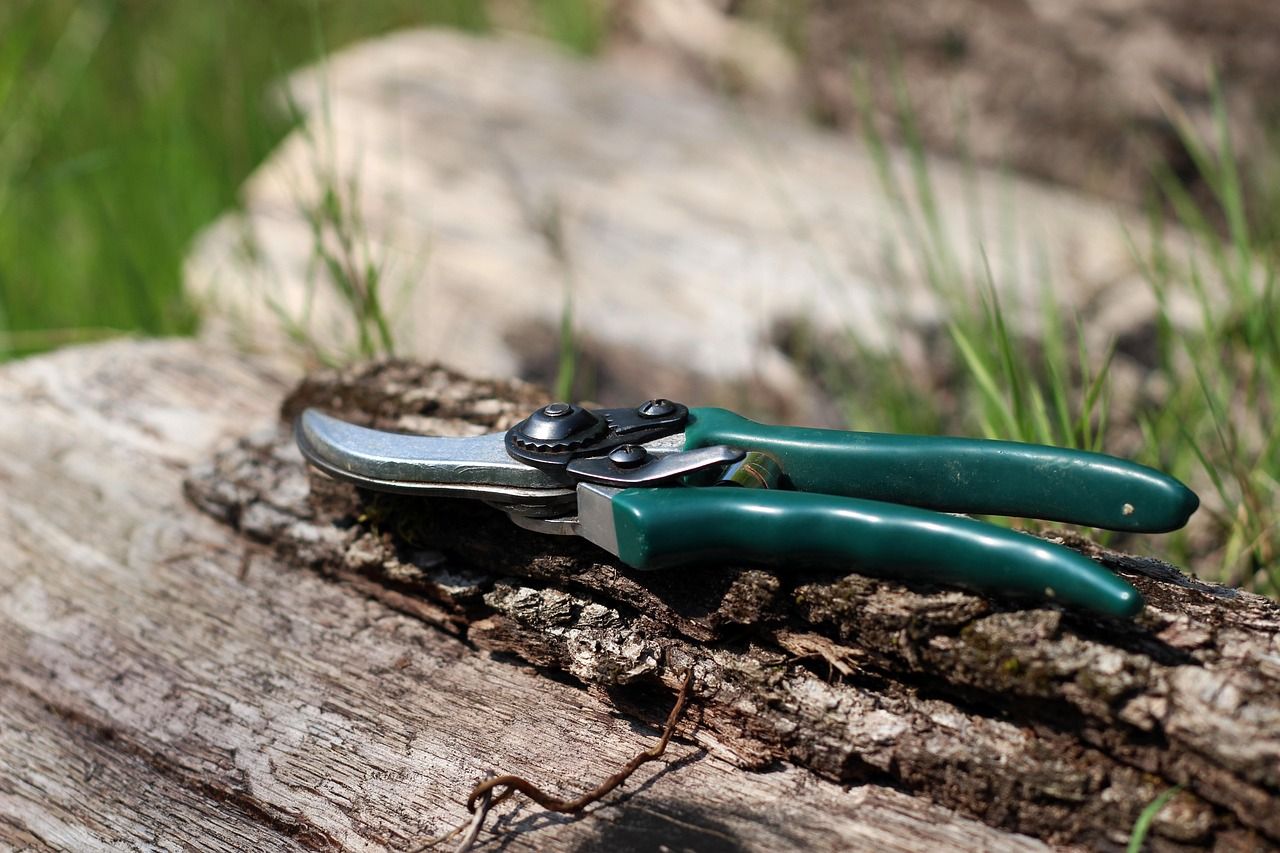
Success starts with the right equipment. You do not need an arsenal of expensive machinery, but a few quality hand tools are non-negotiable. For most home gardens in India, three tools will suffice. Bypass pruners are the most important; they work like scissors with two blades passing each other, making clean cuts on live stems. Anvil pruners, where one blade hits a flat metal surface, are better for dead wood but can crush living tissue. For thicker branches on mango or guava trees, a small pruning saw is necessary.
Always ensure your tools are sharp. A dull blade tears the plant tissue, leaving a jagged edge that takes longer to heal and is more susceptible to infection. After each use, especially if you have been cutting away diseased parts, wipe your blades with rubbing alcohol or a mild bleach solution to prevent the spread of pathogens across your garden.
Timing Your Pruning: The Indian Context
In temperate climates, pruning is usually done in late winter. In India, our seasons are defined by the heat and the monsoon, which changes the rules slightly. For most flowering plants like Hibiscus, Bougainvillea, and Ixora, the best time to prune is just before the monsoon begins or immediately after the peak summer heat has passed. Pruning during the height of a 45-degree Celsius summer can shock the plant and lead to sunscald on newly exposed inner branches.
For winter-flowering plants like Roses, pruning in North India is typically done in October when the weather starts to cool down. This prepares the plant for a heavy flush of blooms in December and January. For fruit trees like Mango and Citrus, pruning is generally done after the harvest is complete. This allows the tree to recover and grow new fruiting wood for the following year.
How to Succeed with Pruning: The Technique
The actual act of cutting requires a bit of finesse. The most common mistake beginners make is cutting too far from a bud or cutting too close. The ideal cut should be made at a 45-degree angle, approximately one-fourth of an inch above a healthy bud that is facing outward. The angle allows rainwater to slide off the cut rather than pooling on top, which reduces the risk of rot.
When thinning out a crowded shrub, always follow the branch back to its point of origin. Do not leave 'stubs.' Stubs are unsightly and often die back, providing an entry point for wood-boring insects. If you are pruning to reduce the height of a tree, never 'top' it by cutting across the main trunk. Instead, look for a side branch that can take over as the new leader and cut just above it.
Specific Tips for Popular Indian Plants
Let’s look at how to succeed with pruning for some common favorites in Indian households. The Curry Leaf plant (Kadi Patta) is a staple. To keep it bushy rather than a tall, thin pole, you must pinch off the tips regularly. If your Curry Leaf plant has become too tall, do not be afraid to perform a hard prune at the start of the rainy season; it will bounce back with vigorous green growth.
For Roses, which are beloved in Indian gardens, success lies in removing the 'suckers'—vigorous shoots that grow from below the graft union on the rootstock. These suckers do not produce the desired flowers and sap energy from the main plant. Additionally, always 'deadhead' or remove faded flowers to encourage the plant to produce more buds rather than setting seeds.
Hibiscus plants benefit from a moderate prune every year. Since Hibiscus flowers on new growth, cutting it back by about one-third helps maintain a manageable shape and increases the number of blooming tips. If you have a Jasmine (Mogra) vine, prune it back after the flowering season ends to keep it from becoming a tangled mess of unproductive wood.
Aftercare: Helping Your Plants Recover
Pruning is a surgical procedure for a plant, and aftercare is crucial for success. After a heavy pruning session, ensure your plants are well-watered but not waterlogged. This is also the best time to apply a balanced fertilizer or organic compost like vermicompost. The plant will need extra nutrients to fuel the new growth you have stimulated.
In the Indian sun, newly pruned plants can be sensitive. If you have removed a significant amount of the canopy, the previously shaded bark might be at risk of sunburn. In such cases, providing some temporary afternoon shade or applying a diluted white lime wash to the trunk (a common practice in Indian orchards) can protect the plant while it recovers.
Conclusion: Embracing the Growth
Success with pruning does not happen overnight. It is a skill honed through observation and practice. Start by removing the dead wood and gradually move toward shaping your plants for better aesthetics and productivity. Remember that plants are incredibly resilient. Even if you make a mistake and cut a bit too much, most tropical and sub-tropical species found in India will forgive you and grow back.
By mastering these techniques, you are not just maintaining a garden; you are actively participating in the health and longevity of your green space. Whether it is getting more fruit from your Lemon tree or ensuring your Bougainvillea is the talk of the neighborhood, pruning is your most powerful tool. Grab your shears, head out into the garden, and start shaping your success today.
When is the best time to prune in India?
The ideal time generally depends on the plant type, but for most tropical shrubs and foliage plants, the beginning of the monsoon or the early spring (February-March) is best. For winter bloomers like roses, October is the preferred month in most parts of India.
Can I prune my plants during the rainy season?
Yes, many plants thrive when pruned during the monsoon because the high humidity and moderate temperatures encourage rapid healing and new growth. However, avoid pruning during heavy downpours to prevent fungal infections from setting into the fresh cuts.
How much of the plant can I safely cut off?
A good rule of thumb is the 'one-third rule.' Never remove more than one-third of a plant's total foliage at one time. Removing too much can starve the plant of the energy it needs to recover, potentially leading to permanent damage or death.
What should I do if my pruning shears are rusty?
You should clean them before use. Use steel wool or a wire brush to remove the rust, then sharpen the blades with a whetstone. Finally, lubricate the joints with a little oil. Using rusty or dull tools can tear the plant fibers and introduce disease.


