

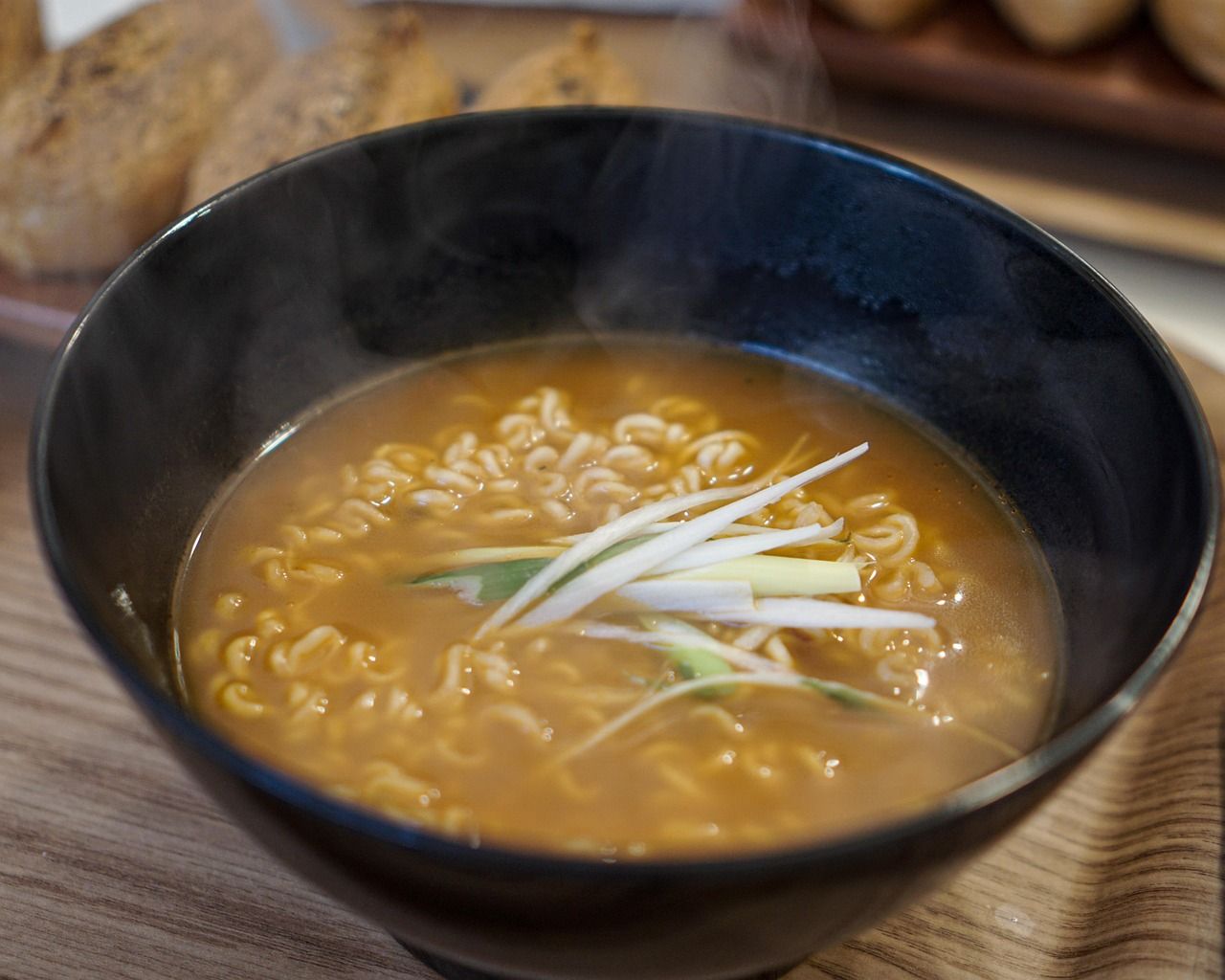
The Art of Elevating Your Instant Noodles
In every Indian household, instant noodles are more than just a quick meal. Whether it is a late-night study session, a rainy monsoon evening, or a lazy Sunday afternoon, a bowl of hot noodles is the ultimate comfort food. While we all have a soft spot for the classic yellow packet of Maggi or the spicy kick of a Buldak ramen, eating them exactly as the instructions suggest can get a bit repetitive. Learning how to upgrade storebought ramen is about transforming a two-minute snack into a gourmet, restaurant-quality meal using simple ingredients already sitting in your kitchen.
The beauty of storebought ramen is its versatility. It serves as a blank canvas, ready to soak up flavors from spices, proteins, and fresh produce. For the Indian palate, which thrives on bold flavors and varied textures, the standard seasoning packet often feels like it is missing a little something extra. In this guide, we will explore ten incredibly easy and effective ways to level up your ramen game, making it more filling, more nutritious, and infinitely more delicious.
1. Master the Broth Base
The biggest mistake most people make is using only the plain water and the seasoning packet provided. To truly upgrade your ramen, you need to build a better base. Instead of plain tap water, try using vegetable or chicken stock. If you do not have fresh stock, a simple stock cube dissolved in hot water works wonders. This immediately adds a layer of savory depth that water simply cannot provide.
The Creamy Milk Hack
A viral trend that actually works for the Indian palate is the creamy ramen hack. Replace about one-fourth of your cooking water with whole milk or coconut milk. This creates a rich, silky broth that mimics the high-end tonkotsu ramen found in Japanese restaurants. Coconut milk is particularly great if you are using spicy or curry-flavored noodles, as it adds a subtle sweetness and a tropical flair that balances the heat perfectly.
2. The Magic of a Desi Tadka
As Indians, we know that a good tadka (tempering) can save any dish. Why should ramen be any different? Before you boil your noodles, heat a small amount of ghee or butter in your pan. Add some finely chopped garlic, ginger, and green chilies. Let them sizzle until the garlic turns golden brown. This aromatic base will infuse the entire bowl with a depth of flavor that feels homemade. You can even add a pinch of hing (asafoetida) or some cumin seeds if you want to lean into those traditional Indian flavor profiles.
3. Load Up on Fresh Vegetables
Storebought ramen is notoriously low on fiber and vitamins. You can easily fix this by raiding your refrigerator. The trick is to match the texture of the vegetables to the noodles. Thinly sliced carrots, shredded cabbage, and bell peppers (capsicum) add a wonderful crunch. If you prefer something softer, try adding frozen peas, sweet corn, or baby corn.
Sauté for Better Flavor
Instead of just boiling the vegetables with the noodles, try sautéing them in the pan first with a little bit of salt and pepper. This caramelizes the edges and prevents the vegetables from becoming soggy. If you are a fan of leafy greens, throw in a handful of spinach or pak choi right at the end. The residual heat of the broth is enough to wilt them perfectly while keeping their vibrant green color intact.
4. Add a Protein Punch
To turn ramen into a complete meal that keeps you full for hours, you must add protein. In India, we have some fantastic options that go perfectly with noodles. Paneer is a top choice; try dicing it into small cubes and pan-frying them until they are crispy on the outside before tossing them into the broth. If you prefer meat, shredded leftover roasted chicken or some sautéed prawns can elevate the dish instantly.
The Essential Ramen Egg
No bowl of ramen is complete without an egg. You have several options here. You can do the classic soft-boiled egg (6 and a half minutes in boiling water) for a jammy yolk that enriches the broth. Alternatively, you can poach the egg directly in the ramen liquid, or even whisk an egg and slowly pour it into the boiling soup to create thin, wispy egg ribbons similar to an egg drop soup. For a truly Indian twist, a spicy egg bhurji served on top of dry-style ramen is a game-changer.
5. Experiment with Sauces and Spreads
The seasoning packet is just the starting point. To truly customize your meal, look to your condiment shelf. A teaspoon of soy sauce adds umami, while a dash of vinegar or a squeeze of lime provides the necessary acidity to cut through the saltiness. If you like heat, add a spoonful of Schezwan chutney or sriracha.
The Peanut Butter Secret
It might sound strange, but adding a teaspoon of creamy peanut butter to a spicy ramen broth creates a flavor profile similar to Thai Satay or Indonesian Dan Dan noodles. It adds a nutty richness and helps thicken the soup, making it feel much more indulgent. Just ensure you whisk it well so there are no clumps left in the bowl.
6. Texture and Toppings
We eat with our eyes first, and a garnished bowl of ramen looks significantly more appetizing than a plain one. Toppings also provide a contrast in texture. Toasted sesame seeds, chopped spring onion greens, and fresh coriander (dhania) are essentials. If you want some crunch, try topping your noodles with some crushed peanuts or even some fried onions (birista).
The Cheese Factor
Adding a slice of processed cheese (like Amul or Britannia) on top of steaming hot noodles is a popular Korean hack that has taken India by storm. The cheese melts into the noodles, creating a creamy, salty sauce that coats every strand. This works particularly well with extra spicy noodles, as the dairy helps neutralize some of the intense chili burn.
7. Know Your Noodle Brands
How you upgrade your ramen also depends on the brand you are starting with. In India, we have a wide variety of options. For Maggi or Top Ramen, which have a very distinct Indian spice profile, stick to upgrades like butter, peas, and extra garam masala. For Wai Wai, which is pre-cooked and seasoned, you can actually eat it crunchy as a topping or soak it in a light, gingery broth.
If you are brave enough for the Korean Buldak noodles, focus on dairy-based upgrades like cream, cheese, or a fried egg to manage the heat. For Nissin Gekki, which offers a middle ground of spice, adding sautéed mushrooms and soy sauce works beautifully to enhance the earthy tones of the noodle.
8. Don't Overcook the Noodles
The most important technical tip for any ramen upgrade is to avoid mushy noodles. Most instant noodles only need about 2 to 3 minutes of boiling. If you are adding many extra ingredients, cook the noodles separately or add them at the very last moment. You want the noodles to have a slight 'bite' (al dente) because they will continue to soften as they sit in the hot broth while you eat.
9. Infuse with Aromatics
If you have five extra minutes, try infusing your cooking oil. Heat a tablespoon of oil and add star anise, a small piece of cinnamon, or some Sichuan peppercorns. Once the oil is fragrant, strain it and use that oil to sauté your aromatics. This subtle technique adds a layer of complexity that is usually only found in high-end ramen shops. For an Indian version, use mustard oil heated to smoking point with a few dried red chilies for a smoky, pungent kick.
10. The Power of Leftovers
Finally, do not be afraid to use leftovers. That bit of leftover butter chicken gravy? Stir it into your ramen broth. Some leftover stir-fried vegetables from last night? Toss them in. Ramen is the ultimate recycler of flavors. It is a forgiving dish that welcomes experimentation, making it the perfect canvas for your culinary creativity.
Summary of the Ramen Transformation
Upgrading storebought ramen is not about following a strict recipe; it is about understanding flavor balance. You want a mix of salt, heat, acidity, and creaminess. By adding fresh vegetables, a solid protein source, and a few clever pantry staples, you can turn a humble packet of noodles into a meal that feels like a treat. Next time you reach for that instant noodle packet, take an extra five minutes to look through your fridge. You will be surprised at how easy it is to create a restaurant-style experience right in your own kitchen.
Can I use these tips for regular Maggi?
Absolutely! While Maggi is technically an instant noodle rather than traditional ramen, all these tips—like adding a tadka, milk, vegetables, and eggs—work perfectly to enhance the flavor of Maggi.
How do I make storebought ramen healthy?
To make it healthier, discard half the seasoning packet to reduce sodium, add plenty of fiber-rich vegetables like spinach and carrots, and include a lean protein like boiled eggs or grilled chicken. Using whole wheat noodle options also helps.
What is the best cheese to use for ramen?
In India, simple processed cheese slices like Amul work best because they melt easily into a creamy consistency. You can also use shredded mozzarella for a cheese-pull effect or cheddar for a sharper flavor.
How can I make my ramen less spicy?
If you find the seasoning packet too hot, add a splash of heavy cream, a spoonful of peanut butter, or a slice of cheese. These dairy and fat-based ingredients help neutralize the capsaicin in the chilies.
Should I wash my noodles after boiling?
For soupy ramen, do not wash the noodles as the starch helps the broth cling to them. However, if you are making a dry, stir-fried style noodle, rinsing them under cold water can prevent them from sticking together.


