

The Lost Art of Listening to a Full Album
In an era dominated by thirty-second viral clips and algorithm-driven playlists, the concept of sitting down to hear an album from start to finish feels almost revolutionary. Most of us consume music as background noise while commuting through Mumbai traffic or working in a Bangalore tech park. However, there is a profound difference between hearing music and truly listening to an album. An album is a curated journey, a cohesive statement made by an artist that offers much more than a collection of individual hits.
When you learn how to hear an album properly, you unlock a deeper connection with the creator. You begin to notice the subtle transitions between tracks, the recurring lyrical themes, and the sonic architecture that a simple playlist cannot provide. For Indian listeners, who have grown up with the rich, narrative-heavy soundtracks of Hindi cinema or the intricate ragas of classical music, transitioning to active album listening is a natural yet rewarding evolution.
Setting the Stage for an Immersive Experience
Before you even press play, you must prepare your environment. In a country as vibrant and loud as India, finding a moment of silence can be a challenge. However, the environment is the foundation of a good listening session. If you are distracted by notifications or the hum of the ceiling fan, you will miss the nuances that make an album special.
Create a Distraction-Free Zone
To truly hear an album, you must treat it like a movie. You wouldn't watch a film while scrolling through social media, and you shouldn't listen to an album that way either. Put your phone in another room or switch it to 'Do Not Disturb' mode. Dim the lights. If you are in a noisy neighborhood, close the windows to dampen the street sounds. The goal is to create a sensory vacuum where the music is the only thing occupying your mind.
Choosing Your Tools
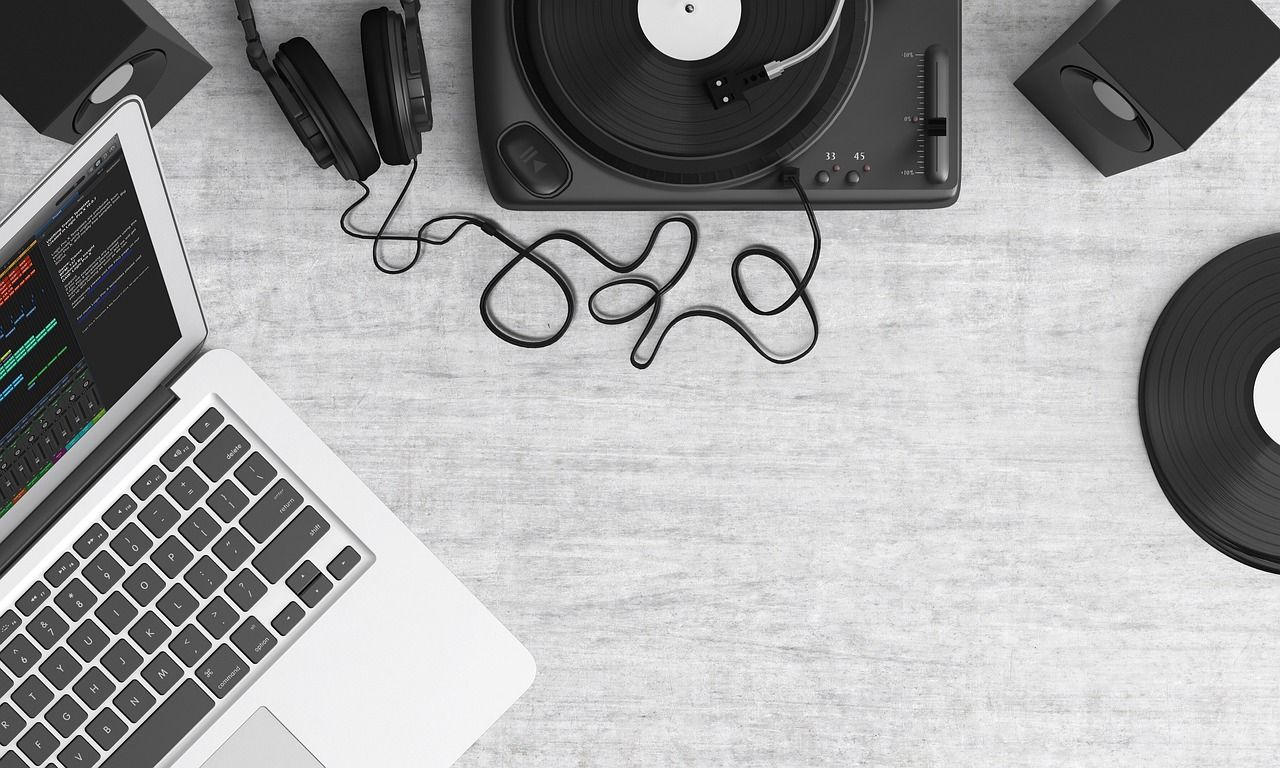
While you do not need to be a billionaire audiophile to enjoy music, your hardware matters. If you are using basic earbuds that came with your phone, you are likely missing out on the low-end frequencies and the stereo separation. In India, there has been a massive surge in the availability of high-quality In-Ear Monitors (IEMs) and studio headphones. Brands like Sennheiser, Audio-Technica, and even specialized Indian retailers offer gear that can reveal layers in the music you never knew existed. If possible, avoid Bluetooth for your first deep listen, as wired connections still offer superior fidelity without compression.
The Step-by-Step Process of Hearing an Album
Once your environment is set and your headphones are on, it is time to engage with the music. Here is the recommended process for a first-time deep listen.
The Rule of No Shuffle
The most important rule when learning how to hear an album is to never use the shuffle button. Artists spend weeks or even months deciding the tracklist order. The sequence is designed to build tension, provide emotional release, and tell a story. Moving from a high-energy anthem like 'Rockstar' to a melancholic ballad is a deliberate choice. When you shuffle, you break the narrative thread. Always listen from Track 1 to the final track in the intended order.
Listen for the Transitions
Great albums often feature seamless transitions where one song bleeds into the next. This is a hallmark of high-level production. Pay attention to how the ending of one track sets the mood for the beginning of the next. In many Indian indie albums, like those from 'The Local Train' or 'Peter Cat Recording Co.', these transitions are used to create a cinematic atmosphere that makes the album feel like a single piece of art rather than a group of songs.
Active vs. Passive Listening
Passive listening is what we do at the gym or while cooking. Active listening requires your full intellectual engagement. Try to identify the instruments. Can you hear the bass guitar separating itself from the kick drum? Can you hear the subtle reverb on the vocals? In Indian music, listen for the fusion of traditional instruments like the Sarangi or Tabla with modern synthesizers. Recognizing these layers is part of the joy of hearing an album.
Understanding the Context and Narrative
Every album is born out of a specific time, place, and emotional state. Understanding the context can significantly enhance your listening experience. Before you start, or perhaps after your first full listen, do a bit of research on the artist.
Research the 'Why' Behind the Album
Was the album recorded during a period of personal loss? Was it an experimental phase for the band? For example, if you are listening to A.R. Rahman’s earlier work, knowing the technological constraints of the early 90s makes the final product even more impressive. Understanding that an album like 'Dil Se' was meant to represent the seven stages of love adds a layer of depth to every note you hear.
The Role of Lyrics and Liner Notes
If the album is in a language you understand well, pay close attention to the poetry. If it is in a different language, looking up translations can be helpful. In the past, physical CDs and Vinyl came with liner notes—booklets that included lyrics, credits, and photos. You can still find these digitally. Reading the lyrics while the music plays helps anchor your focus and ensures you don't miss the storytelling aspect of the record.
The Second Listen: Finding What You Missed
You cannot fully hear an album in just one sitting. The first listen is about the overall vibe and the major melodies. The second and third listens are where the magic happens. This is when you start to notice the 'easter eggs' hidden by the producer.
Focus on Different Elements
On your second listen, try focusing exclusively on one element. Listen only to the percussion for the entire forty minutes. On the third listen, focus only on the backup vocals or the atmospheric pads in the background. This exercise trains your ears to deconstruct complex sounds, making you a more sophisticated listener over time.
Let the Music Breathe
Sometimes, an album doesn't 'click' immediately. You might find it boring or confusing at first. This is common with experimental or progressive albums. Give it time. Music often requires a certain mood or a specific moment in your life to resonate. Don't be afraid to revisit an album a week later. You might find that a song you previously ignored now feels like the most important track on the record.
Why Album Listening is Beneficial for Indian Listeners
In our fast-paced urban lives, we are constantly bombarded with information. Engaging in a full album listening session is a form of meditation. It forces you to slow down and stay present. For the Indian youth, who are increasingly exploring independent music beyond the mainstream film industry, this habit supports the artists who are trying to move away from the 'single' culture.
By supporting full albums, you are encouraging artists to take risks and create more complex, rewarding music. Whether it is a classic Suguna Purushothaman Carnatic set, a legendary Bollywood soundtrack from the 70s, or a modern hip-hop project from the streets of Gully Boy's Mumbai, the album format remains the purest expression of musical intent.
Conclusion
Learning how to hear an album is a skill that pays dividends for a lifetime. It transforms music from a fleeting background noise into a profound emotional journey. By choosing the right environment, investing in decent gear, and committing to the artist's intended sequence, you open up a world of sonic detail that most people never experience. The next time a favorite artist releases a new project, don't just add the top three tracks to your playlist. Set aside an hour, turn off your phone, and listen to the whole story. You will find that the music stays with you much longer than any viral clip ever could.
Do I need expensive headphones to hear an album properly?
No, you do not need to spend a fortune. While high-end gear helps, a decent pair of wired earphones or entry-level studio headphones is enough to appreciate the details. The most important factor is the quality of your attention, not just the price of your gear.
Why is the order of songs on an album important?
Artists arrange songs in a specific order to create a narrative or an emotional arc. The sequence manages the energy levels and transitions, making the album feel like a complete story rather than a random collection of tracks.
What is the difference between hearing and listening?
Hearing is a passive physical process where sound enters your ears while you do other things. Listening is an active mental process where you focus your full attention on the music, analyzing the lyrics, instruments, and production choices.
Is it okay to listen to an album while doing chores?
While you can certainly enjoy music while working, you aren't truly 'hearing' the album's depth that way. To fully appreciate an album as a work of art, it is best to have at least one session where you do nothing but listen.


