

Introduction to Hypertension in the Indian Context
Hypertension, often referred to as high blood pressure, is frequently labeled the silent killer. In India, the prevalence of this condition has risen significantly over the last two decades. Recent health surveys indicate that nearly one in every four adults in India suffers from high blood pressure, yet a staggering number of these individuals are unaware of their status. The fast-paced urban lifestyle, combined with a shift toward processed foods and sedentary habits, has made hypertension a household concern from Delhi to Kerala.
If you have recently been diagnosed or are looking to prevent the onset of this condition, understanding how to manage hypertension with conscious daily choices is vital. While medication is often necessary and should be taken exactly as prescribed by a healthcare professional, lifestyle modifications play a foundational role in controlling blood pressure levels. This guide explores practical, India-centric strategies to help you navigate this journey toward better cardiovascular health.
Understanding the Numbers
Before diving into management strategies, it is essential to understand what the numbers mean. Blood pressure is measured using two numbers: systolic (the pressure when your heart beats) and diastolic (the pressure when your heart rests between beats). For most adults, a normal reading is below 120/80 mmHg. When readings consistently stay above 140/90 mmHg, a diagnosis of hypertension is typically made. Knowing these numbers is the first step in learning how to manage hypertension with accuracy and clinical oversight.
How to Manage Hypertension with the DASH Diet
The Dietary Approaches to Stop Hypertension, or DASH diet, is globally recognized for its effectiveness. In an Indian household, adapting this diet involves choosing local, nutrient-dense foods that are rich in potassium, calcium, and magnesium while being low in sodium. Here is how you can implement an Indianized DASH diet:
Focus on Whole Grains
Instead of refined flour or maida, switch to whole grains. Incorporate traditional Indian grains like Jowar, Bajra, Ragi, and brown rice. These are high in fiber, which helps in maintaining a healthy weight and improving heart health. A simple shift from white bread to a multigrain roti can make a significant difference over time.
Increase Vegetable and Fruit Intake
Indian markets are blessed with seasonal produce. Aim for at least 4 to 5 servings of vegetables daily. Bottle gourd (Lauki), ridge gourd (Torai), and leafy greens like spinach (Palak) are excellent choices. Fruits like bananas, guavas, and pomegranates provide essential potassium, which helps neutralize the negative effects of salt on blood pressure.
Incorporate Lean Proteins
Plant-based proteins are staple in India. Lentils (Dal), chickpeas (Chole), and kidney beans (Rajma) are excellent sources of protein and fiber. If you consume dairy, opt for toned or double-toned milk, homemade curd (Dahi), and low-fat paneer. For non-vegetarians, grilled or steamed fish and skinless chicken are better alternatives to red meat.
The Critical Role of Salt Reduction
The average Indian diet often exceeds the recommended daily salt intake of 5 grams (about one teaspoon). High sodium intake causes the body to retain water, putting extra pressure on blood vessel walls. Reducing salt is a cornerstone of how to manage hypertension with dietary discipline.
Watch Out for Hidden Sodium
In India, hidden salt is everywhere. Pickles (Achaar), papads, and namkeens are loaded with sodium. Even if you stop adding extra salt to your table, these condiments can keep your blood pressure high. Try to limit the consumption of processed snacks and instant noodles, which are notorious for their sodium content.
Flavor Without Salt
You can make your meals delicious without excessive salt by using Indian spices and herbs. Use lemon juice, amchur (dried mango powder), tamarind, garlic, ginger, and fresh coriander to enhance the flavor of your curries. You will find that your palate adjusts to lower salt levels within a few weeks.
Integrating Physical Activity into Daily Life
A sedentary lifestyle is a major risk factor for hypertension. Regular physical activity makes your heart stronger, allowing it to pump more blood with less effort, which decreases the pressure on your arteries.
The Power of Brisk Walking
You do not need an expensive gym membership to stay active. Brisk walking for 30 to 45 minutes most days of the week is one of the most effective ways to lower blood pressure. Many Indian neighborhoods have local parks or walking tracks that are perfect for a morning or evening stroll.
Yoga and Pranayama
India is the birthplace of yoga, a practice that combines physical postures with breath control. For those looking at how to manage hypertension with holistic methods, yoga is a powerful tool. Specific asanas like Tadasana (Mountain Pose) and Shavasana (Corpse Pose) help calm the nervous system. Pranayama, or yogic breathing exercises like Anulom Vilom and Bhramari, have been shown to reduce stress and lower heart rates.
Stress Management and Mental Well-being
Chronic stress is a significant contributor to high blood pressure. In the modern Indian context, work pressure, long commutes, and familial responsibilities can lead to elevated stress levels. When you are stressed, your body produces a surge of hormones that temporarily increase blood pressure and cause your heart to beat faster.
Prioritizing Sleep
Lack of sleep can exacerbate hypertension. Aim for 7 to 8 hours of quality sleep every night. Establish a calming bedtime routine by avoiding screens like smartphones or televisions at least an hour before you plan to sleep.
Mindfulness and Meditation
Taking just ten minutes a day to sit in silence and focus on your breath can help reset your stress response. Mindfulness helps you respond to life's challenges more calmly, preventing the sharp spikes in blood pressure that occur during moments of anger or anxiety.
Weight Management and Monitoring
Excess weight, particularly around the waistline, is closely linked to hypertension. Losing even a small amount of weight—as little as 3 to 5 kilograms—can lead to a noticeable drop in blood pressure readings. This is especially important in India, where abdominal obesity is a common precursor to metabolic syndromes.
Regular Monitoring at Home
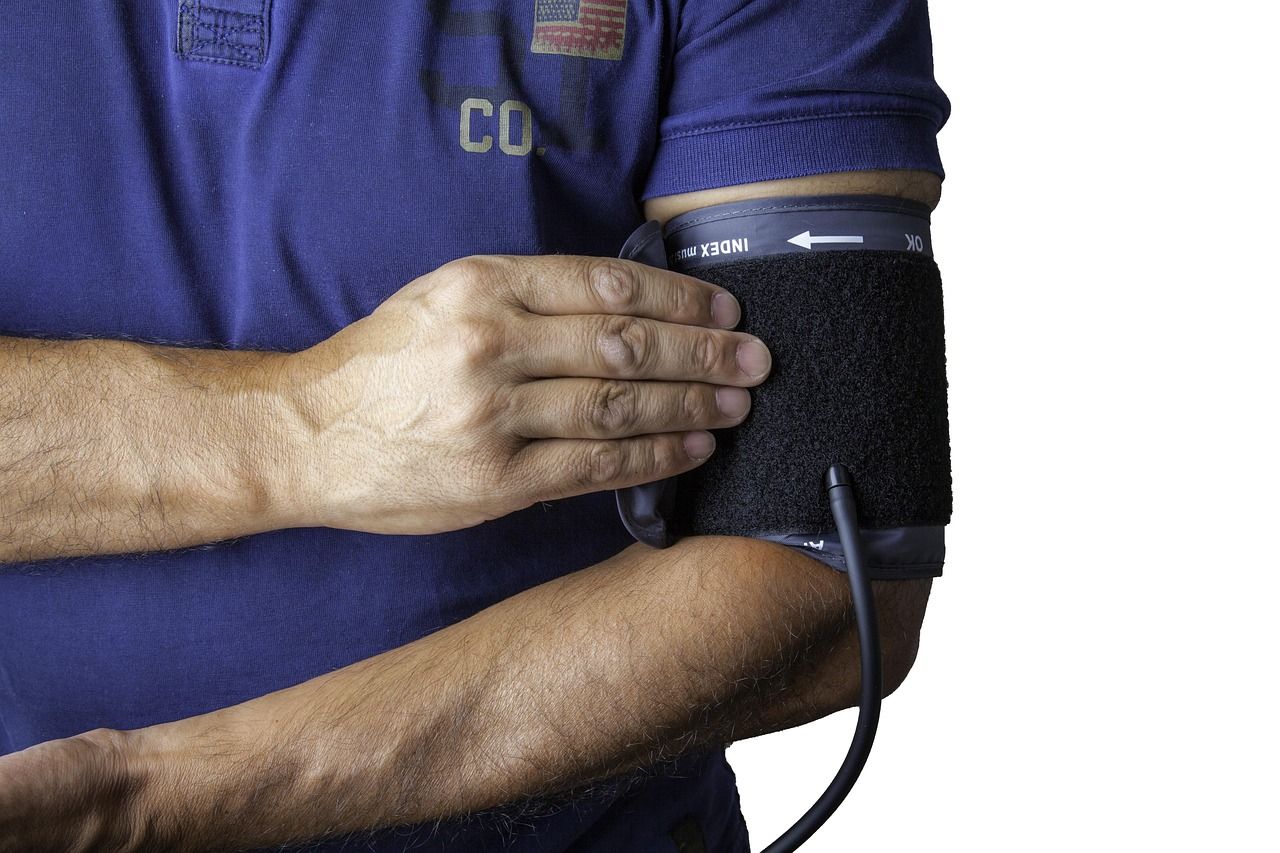
Learning how to manage hypertension with home monitoring is essential for long-term success. Invest in a reliable digital blood pressure monitor. Keeping a log of your readings helps your doctor determine if your current lifestyle changes and medications are working effectively. It also prevents white-coat hypertension, where readings are high only because of the stress of being in a clinical environment.
Limiting Alcohol and Tobacco
Tobacco use in any form—whether smoking cigarettes or chewing gutkha—causes an immediate rise in blood pressure and damages the lining of the artery walls. Similarly, excessive alcohol consumption can raise blood pressure to unhealthy levels. For those serious about heart health, quitting tobacco entirely and limiting alcohol intake is non-negotiable.
Conclusion
Managing high blood pressure is not a one-time task but a lifelong commitment to your health. By understanding how to manage hypertension with a balanced Indian diet, regular physical activity, and effective stress management, you can significantly reduce your risk of complications like heart disease and stroke. Small, consistent changes in your kitchen and your daily routine can yield profound results. Start today by choosing a whole fruit over a processed snack or taking a short walk after dinner. Your heart will thank you for years to come.
Can I stop my blood pressure medication if I change my diet?
No, you should never stop or change the dosage of your medication without consulting your doctor. While lifestyle changes can significantly lower blood pressure, they are intended to work alongside your prescribed treatment, not replace it immediately.
Is pink salt or rock salt better for hypertension?
While rock salt (Senda Namak) or pink salt contains some trace minerals, it still contains sodium. For managing hypertension, the goal is to reduce overall sodium intake, regardless of the type of salt used. Always use all types of salt in moderation.
How long does it take for lifestyle changes to show results?
Many people see an improvement in their blood pressure readings within one to three months of consistently following a healthier diet and exercise routine. However, the exact timeline varies for every individual.
Is drinking tea or coffee bad for high blood pressure?
Caffeine can cause a short-term spike in blood pressure. If you have hypertension, it is generally okay to consume moderate amounts of tea or coffee, but it is best to avoid excessive intake and monitor how your body reacts to it.


