

The Unsung Art of Defense in Sports
In the roaring stadiums of India, from the IPL crowds in Mumbai to the passionate football fans in Kolkata, the loudest cheers are usually reserved for the big hitters and the goal scorers. We love seeing a ball sail over the boundary for a six or a striker find the back of the net with a bicycle kick. However, any seasoned coach or veteran player will tell you a different story: offense wins games, but defense wins championships. Whether you are playing a casual match of gully cricket, a weekend football game at the local turf, or a high-stakes kabaddi tournament, knowing how to play defense in your respective sport is the foundation of success.
Defense is not just about being reactive. It is a proactive strategy that involves anticipation, physical discipline, and mental toughness. In the Indian context, where sports are deeply woven into our social fabric, mastering defensive play can make you the most valuable player on your team. This guide explores the intricate details of defensive play across the three most popular sports in India: Cricket, Football, and Kabaddi.
How to Play Defense in Cricket
Cricket is perhaps the only sport where defense is a formal stroke. When we talk about how to play defense in cricket, we look at it from two perspectives: the batsman protecting his wicket and the fielding side defending a total.
The Batsman's Fortress
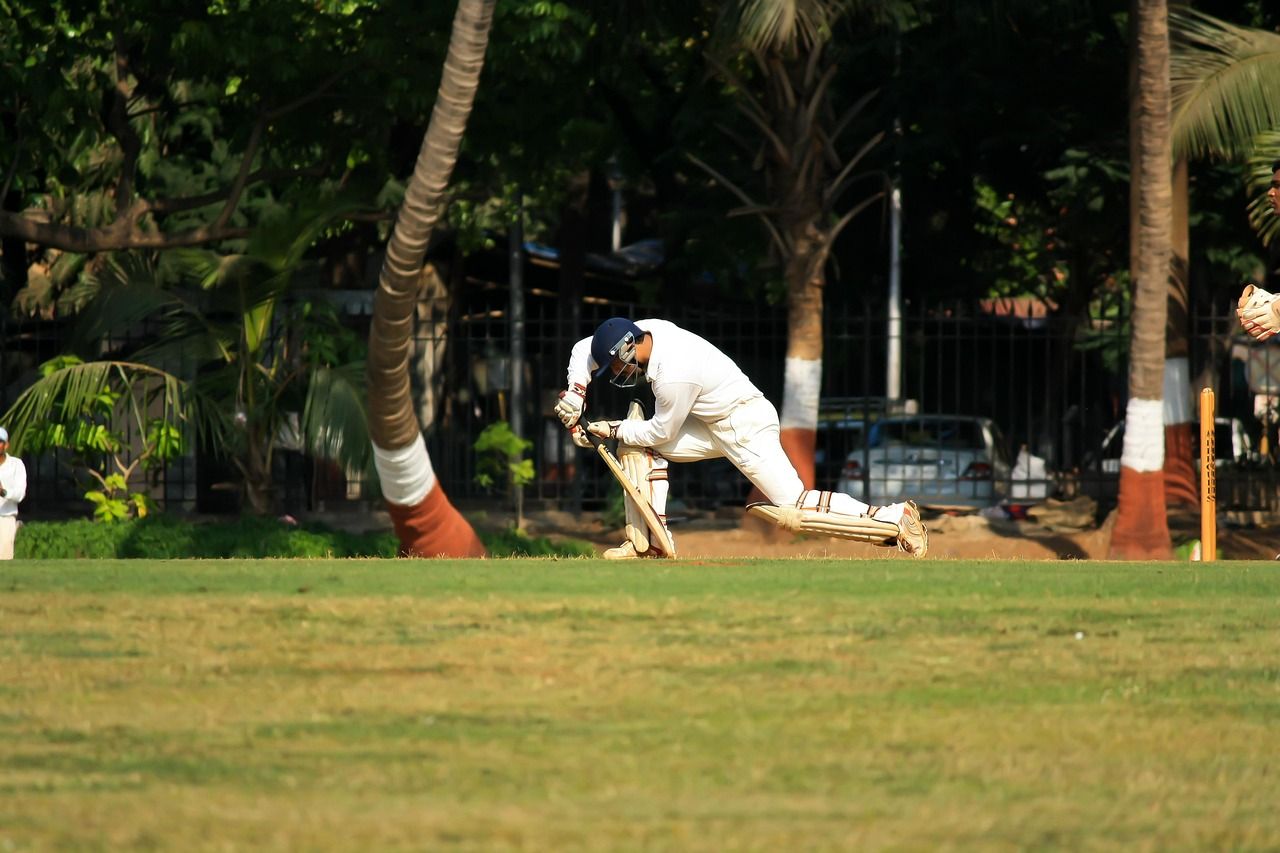
Defensive batting is the hallmark of greatness. Think of legends like Rahul Dravid or Cheteshwar Pujara. Their ability to stone-wall the best bowlers in the world for hours is what makes them icons. To play a solid defense, your head must be still and eyes level. In the forward defense, your front foot should reach as close to the pitch of the ball as possible, with the bat tucked behind the pad to ensure there is no gap. The 'soft hands' technique is crucial here; by gripping the bat lightly, the ball drops at your feet rather than flying to the slips.
On Indian pitches, which often offer turn and low bounce, the backward defense becomes equally important. You must shift your weight to the back foot, keeping the bat vertical and playing the ball directly under your nose. The goal is to kill the ball's momentum completely. Mastering this allows you to survive difficult spells and wait for the loose delivery to score.
Defensive Bowling and Fielding
Defending a target in a T20 or ODI match requires a different mindset. Defensive bowling is about restriction. In India, where outfields are often fast and boundaries short, bowlers must master the yorker and the slower ball. Playing defense as a bowler means hitting the 'corridor of uncertainty' or bowling wide of the off-stump to limit the batsman's hitting arc. Setting a defensive field involves placing deep protectors at mid-wicket, long-on, and long-off to prevent boundaries, forcing the batsman to take risky singles instead.
How to Play Defense in Football
Football in India has seen a massive surge in popularity. Whether you are playing 5-a-side or 11-a-side, the defensive principles remain the same. Learning how to play defense in football starts with positioning and patience.
The Art of Jockeying
One of the biggest mistakes amateur defenders make is 'diving in' or committing to a tackle too early. In Indian football circles, you will often hear coaches yelling to 'stay on your feet.' This is called jockeying. You should stand about an arm’s length away from the attacker, knees slightly bent, and body angled at 45 degrees. This forced the attacker toward the touchline and away from the goal. By staying patient, you wait for the attacker to make a mistake or a heavy touch before you intervene.
Zonal vs. Man Marking
In local league matches, understanding the difference between zonal and man marking is vital. Man marking requires you to stick to a specific opponent like glue, preventing them from receiving the ball. This is physically demanding but effective against star players. Zonal defense, which is more common in modern football, requires you to guard a specific area of the pitch. Communication is the key here. In the heat and humidity of Indian playing conditions, talking to your fellow defenders helps in switching marks and ensuring no attacker is left unmarked in the box.
The Importance of the Last Line
As a defender, you are the last line of protection before the goalkeeper. Blocking shots and intercepting passes requires high levels of concentration. You must always be aware of the 'danger zone'—the area directly in front of the goal. If you can master the slide tackle safely or the headed clearance, you become a formidable obstacle for any striker.
How to Play Defense in Kabaddi
Kabaddi is an indigenous sport that has gained global recognition through the Pro Kabaddi League. Unlike other sports, defense in kabaddi is a collective effort involving a chain of players. Understanding how to play defense in kabaddi is about timing and bravery.
The Chain System
Defenders in kabaddi are called 'Antis.' They work in pairs or chains. The most critical part of defensive play is maintaining the chain. If the chain breaks, the raider can easily find a gap to escape. When the raider moves deep into the half, the defenders must move in coordination, circling the raider to limit his escape routes. This requires a deep level of trust and synchronization between teammates.
Key Defensive Moves
There are several technical moves every defender must learn. The 'Ankle Hold' is the most common, where a defender grabs the raider’s ankle with both hands as they try to retreat. The 'Thigh Hold' involves a powerful lunge at the raider’s upper legs to stop their momentum. Then there is the 'Dash,' where a defender (usually the 'Cover' or 'Corner' player) uses their body weight to push the raider out of the court boundaries. In India, where kabaddi is played on both mats and clay, the friction and grip vary, requiring defenders to adapt their footwork accordingly.
Mental and Physical Prerequisites for Defense
Regardless of the sport, certain traits are universal for anyone looking to master how to play defense in their game. First is physical fitness. Defense is exhausting; it requires constant movement and short bursts of intense energy. In the Indian climate, building stamina is essential to maintain defensive intensity until the final whistle or the last over.
Second is the mental aspect. Defenders often do the 'dirty work' without the glory. You must be disciplined and emotionally stable. If a batsman hits you for a four or a striker dribbles past you, you cannot lose your cool. A calm mind allows you to analyze the opponent's patterns. Do they always move to the left? Do they struggle with short-pitched balls? Observational skills are a defender's greatest weapon.
Patience and Anticipation
Anticipation is like a sixth sense. It comes from experience and watching the game closely. In cricket, it is anticipating where the batsman will hit based on their foot movement. In football, it is reading the passer’s eyes to intercept the ball. In kabaddi, it is sensing the moment the raider turns back to his half. By anticipating the move, you stay one step ahead of the offense.
Conclusion: Defense is the Heart of the Game
Mastering how to play defense in any sport requires a blend of technical skill, physical prowess, and a selfless mindset. Whether you are protecting a wicket in a dusty maidans, guarding a goal post on a rain-soaked field, or holding the line in a kabaddi circle, your contribution is what keeps the team in the hunt for victory. Defense is about resilience; it is about refusing to give up and making the opponent earn every single point. So, the next time you step onto the field, remember that while the scorers might get the headlines, it is the defenders who build the foundation for greatness. Start practicing these techniques, stay patient, and watch how your game transforms from the ground up.
Why is defense considered more difficult than offense?
Defense is often harder because it requires constant concentration and reacting to the opponent's moves. While an attacker only needs one moment of brilliance to score, a defender must be perfect for the entire duration of the game to prevent a score.
What is the most important skill for a defender in any sport?
Positioning is generally considered the most vital skill. If you are in the right place at the right time, you can stop an attack without even having to make a physical tackle or a difficult save.
How can I improve my defensive reflexes?
You can improve reflexes through specific drills like ladder exercises for footwork, reaction ball training, and watching professional players to understand their movement patterns and anticipation techniques.
Does defense require a different type of fitness?
Yes, defensive play often requires more isometric strength and 'stop-and-start' agility compared to the continuous running often seen in offensive roles. It focuses heavily on core stability and lower body power.


