

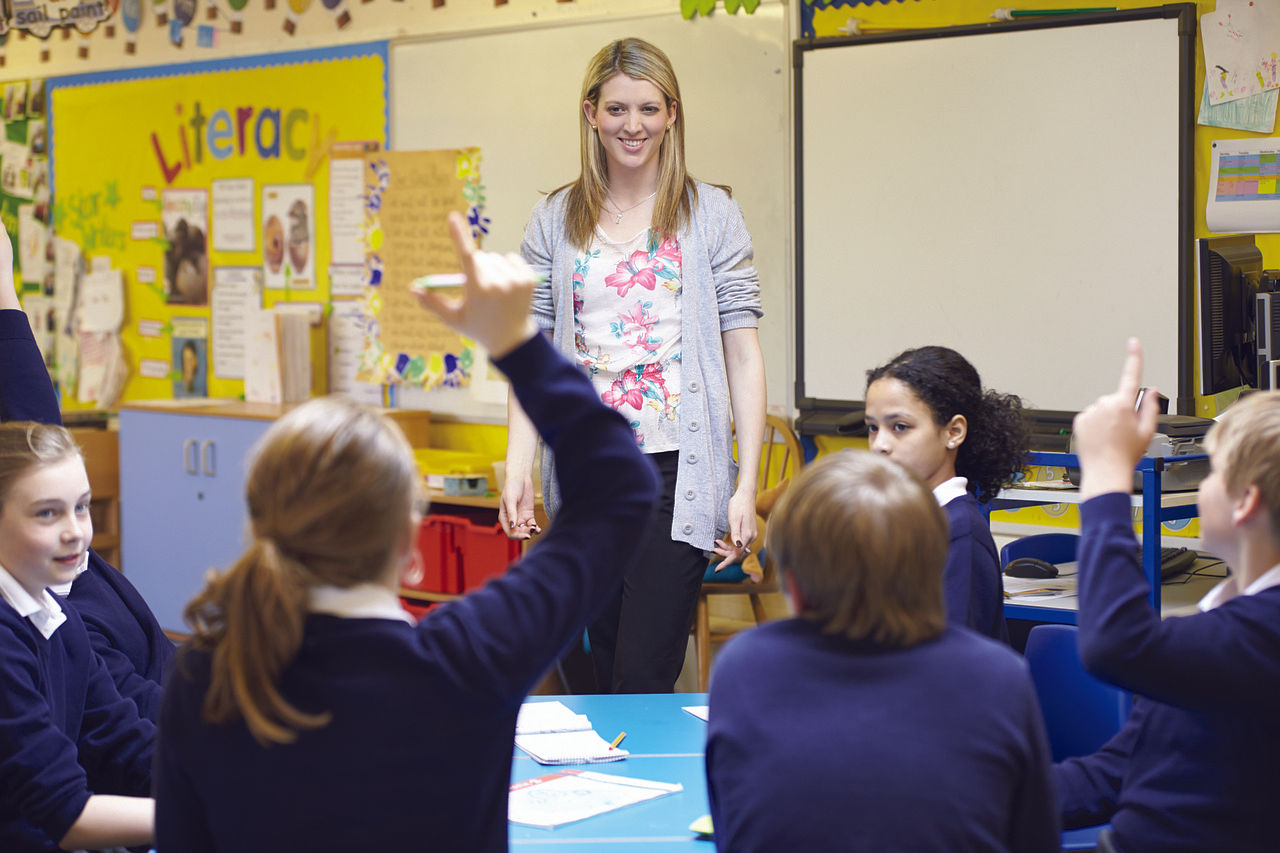
The Evolution of Student-Teacher Communication in India
For decades, the Indian classroom was defined by a strict hierarchy. The teacher spoke, and the student listened in silence. However, the landscape of education in India is shifting rapidly. With the rise of digital learning, a globalized curriculum, and a greater focus on mental health, the old 'command and control' method is no longer effective. Today, the most successful educators are those who know how to talk to students in a way that builds trust, fosters curiosity, and encourages mutual respect.
Understanding how to talk to students is about more than just delivering a lecture. It is about creating an environment where a student feels seen and heard. In a country where academic pressure can be overwhelming, the way a teacher communicates can be the difference between a student giving up or finding the motivation to excel. This guide explores practical, empathetic, and culturally relevant strategies for Indian educators to connect with their students effectively.
Understanding the Psychology of the Modern Indian Student
Before mastering the art of conversation, we must understand who we are talking to. Today’s Indian students—from those in bustling metros like Mumbai to those in rural coaching hubs—are part of a generation that is highly informed but also highly stressed. They face intense competition for seats in premier institutions, the constant distraction of social media, and a changing job market.
When you talk to these students, you must acknowledge their reality. They are not just 'roll numbers' in a register; they are individuals navigating a complex world. Acknowledge their digital fluency and their anxieties about the future. By validating their experiences, you break down the wall of formal intimidation that often prevents genuine learning.
1. Master the Art of Active Listening
One of the most overlooked aspects of how to talk to students is listening. In many Indian schools, teachers often interrupt students to correct their grammar or logic before the student has finished their thought. This shuts down the lines of communication.
Active listening involves giving the student your full attention. Maintain comfortable eye contact—though be mindful that in some traditional settings, intense eye contact might be perceived as aggressive. Use nodding and verbal affirmations like 'I see' or 'Tell me more.' When a student feels that their perspective is valued, they become more receptive to your guidance. Instead of simply hearing their words, listen for the emotion behind them. Is the student frustrated because they don't understand the concept, or are they tired from a long commute to a coaching center?
2. Choose the Right Tone and Language
The tone of your voice carries more weight than the actual words you use. In an Indian context, a teacher’s voice is often associated with authority. While authority is necessary for discipline, it should not be synonymous with hostility. Avoid a condescending tone. Instead of saying, 'Why don't you understand this simple logic?', try saying, 'This is a tricky concept; let’s break it down together.'
In many Indian classrooms, the use of English can sometimes create a barrier, especially for students whose first language is Hindi, Tamil, Bengali, or any other regional language. If you are in a bilingual setting, do not hesitate to use familiar metaphors or even occasional regional phrases to clarify a point. This makes you more relatable and ensures that the communication is inclusive rather than exclusionary.
3. Move Beyond Generic Praise
We often tell students 'Good job' or 'Very well done.' While positive, these phrases are generic. To truly impact a student, your praise should be specific and process-oriented. Instead of saying 'You are very smart,' try saying, 'I noticed how much effort you put into solving that math problem using a different method; that shows great persistence.'
This shift from praising intelligence to praising effort is crucial in the Indian educational psyche, which often overemphasizes innate talent. By focusing on the process, you encourage a growth mindset. It tells the student that you are paying attention to their individual journey, not just their marks on a report card.
4. Communicating During High-Stress Periods
Board exams and entrance tests like JEE or NEET create a high-pressure environment for Indian students. During these times, how you talk to students can significantly impact their mental well-being. Avoid using fear as a motivator. Phrases like 'If you don't study now, your future is ruined' only increase cortisol levels and decrease cognitive function.
Instead, use supportive language. 'I know the pressure is high right now, but remember that this is just one step. Let’s focus on what you can control today.' Offer practical advice rather than vague warnings. Being a calm presence in a chaotic exam season makes you a mentor they can rely on.
5. Handling Discipline with Dignity
Discipline is a major part of the Indian school experience, but the method of 'shaming' a student in front of the whole class is outdated and counterproductive. If a student is being disruptive, try to talk to them privately after the class. Public humiliation usually leads to resentment, not reform.
Use 'I' statements rather than 'You' statements. Instead of saying, 'You are always talking and disturbing the class,' try, 'I find it difficult to explain this concept when there is background noise. I need your cooperation to help everyone learn.' This approach minimizes defensiveness and focuses on the behavior rather than attacking the student’s character.
6. Using Non-Verbal Cues Effectively
Communication is not just verbal. Your body language, the way you walk around the classroom, and even your placement in the room send signals. In India, a teacher standing behind a heavy wooden desk creates a physical and symbolic barrier. Try moving among the benches. This 'proximity' helps in keeping students engaged and makes the conversation feel more informal and less like a sermon.
A simple smile when a student enters the room or a pat on the back (where culturally appropriate) can build a bridge that words cannot. Ensure your body language is open—avoid crossing your arms, which can appear defensive or unapproachable.
7. Addressing Mental Health and Personal Issues
With increasing awareness, Indian teachers are now expected to be the first line of defense in identifying mental health issues. However, many are unsure how to talk to students about such sensitive topics. If you notice a student who was previously active becoming withdrawn, approach them gently.
Avoid being clinical or intrusive. A simple, 'I’ve noticed you’ve been a bit quiet lately; is everything okay? I’m here if you want to talk,' is often enough. You don't need to be a therapist; you just need to be a safe person. If the student opens up, listen without judgment and guide them toward professional help or school counselors if necessary.
8. Engaging with Group Dynamics
Talking to a class is different from talking to an individual. In a group setting, use inclusive language like 'we' and 'us.' Encourage peer-to-peer communication. Instead of being the sole source of information, facilitate a conversation where students talk to each other. You can say, 'Rahul has an interesting point; what do the rest of you think about that?' This builds a sense of community and teaches students how to communicate with their peers respectfully.
Conclusion: The Long-Term Impact of a Conversation
When you master how to talk to students, you are doing more than just teaching a subject; you are modeling human interaction. The students will eventually forget the specific dates in a history lesson or the complex formulas in chemistry, but they will never forget how a teacher made them feel. In the Indian context, where teachers are often given the status of 'Guru,' this responsibility is even greater. By choosing empathy over ego and dialogue over monologue, you empower the next generation of Indians to be confident, communicative, and compassionate leaders.
How do I talk to a student who is extremely shy and never speaks in class?
Avoid putting them on the spot in front of the whole class. Instead, try talking to them in small groups or during a one-on-one session. Use low-pressure questions that don't have a wrong answer, such as asking for their opinion on a topic. Gradually build their confidence by validating their small contributions.
How should I handle a student who talks back or is disrespectful?
Stay calm and avoid getting into a power struggle. Often, disrespect is a defense mechanism for something else. Address the behavior privately rather than in front of their peers. Be firm about your boundaries but ask if there is something bothering them that is making them react this way.
How can I talk to students about their poor academic performance without discouraging them?
Focus on the specific areas for improvement rather than the failing grade. Use the sandwich method: start with something they are doing well, address the areas that need work, and end with a concrete plan for improvement and an expression of your belief in their potential.
Is it okay to use 'Hinglish' or regional languages when talking to students?
Yes, especially if it helps in clarifying complex concepts or building a rapport. While the medium of instruction might be English, the goal is understanding. Using familiar language can make the classroom feel more inclusive and less intimidating for students who are not yet fluent in English.


