

Understanding the Net Zero Journey in the Indian Context
The term net zero has transitioned from a buzzword in global climate summits to a core pillar of India's national strategy. At its heart, achieving net zero means ensuring that the amount of greenhouse gases produced is balanced by the amount removed from the atmosphere. For a rapidly developing nation like India, this is not just an environmental mandate but an economic and social one. As we witness shifting monsoon patterns, record-breaking heatwaves in the northern plains, and rising sea levels along our vast coastline, the question is no longer why we should act, but how to accelerate net zero pathways today.
India has set an ambitious target to reach net zero by 2070. While this might seem distant, the foundations must be solidified within this decade. Accelerating this transition requires a multi-pronged approach involving government policy, industrial innovation, and a fundamental shift in how every citizen consumes resources. By focusing on indigenous solutions and leveraging our unique geographic advantages, India can lead the global South in the transition to a low-carbon economy.
The Urgency of Accelerating Net Zero
Accelerating net zero is vital because the window to limit global warming to 1.5 degrees Celsius is narrowing. For India, the stakes are particularly high. Much of our population depends on climate-sensitive sectors like agriculture. Furthermore, as we build infrastructure for our future cities, we have a unique opportunity to build green from the ground up, rather than retrofitting old, polluting systems later. The transition offers a chance to create millions of new green jobs, reduce our massive energy import bills, and improve the public health of our cities by reducing air pollution.
1. Scaling Renewable Energy Beyond Traditional Limits
The most significant lever to accelerate net zero is the total transformation of our energy mix. India has already made incredible strides in solar and wind energy, but we need to move faster. Transitioning away from coal is a challenge, yet it is an essential one.
Harnessing Decentralized Solar Power
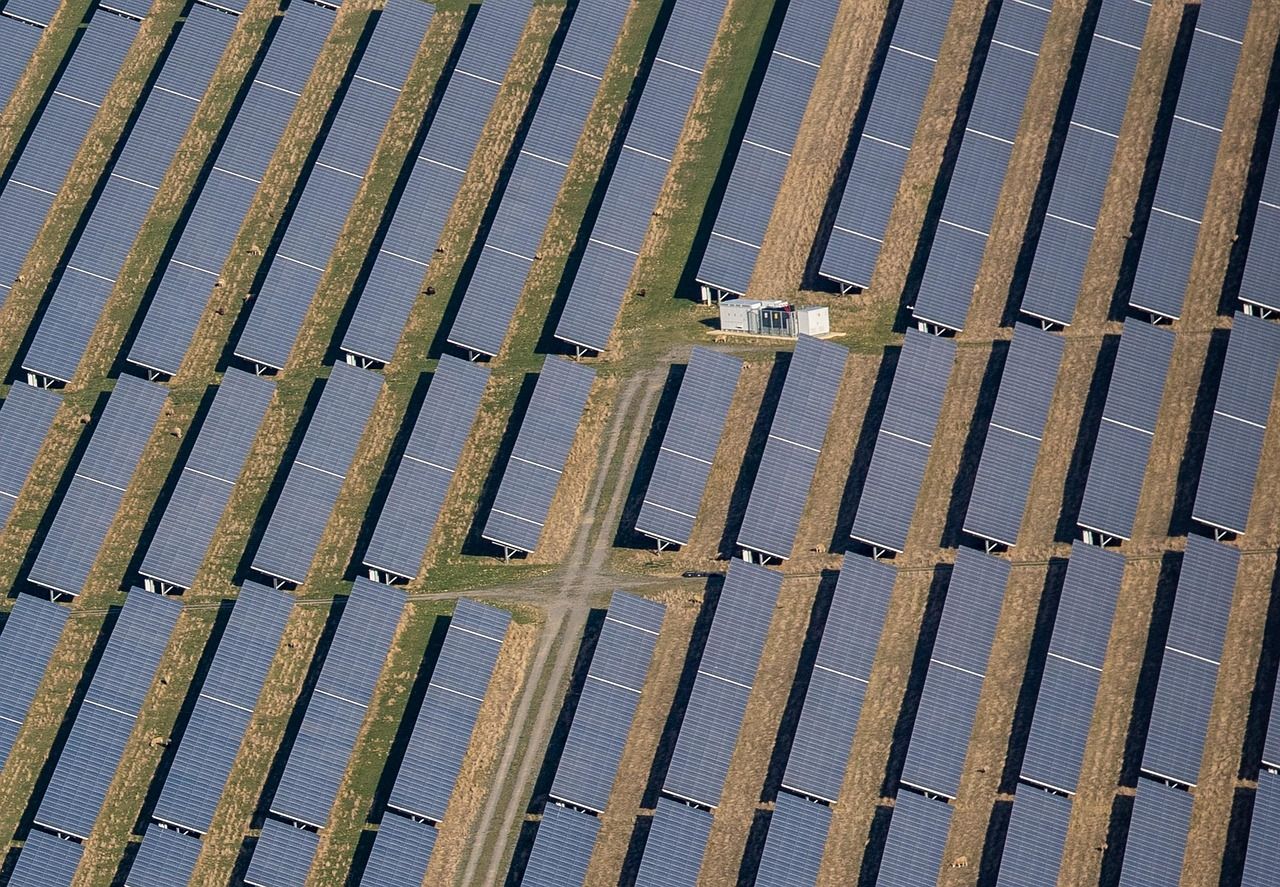
While large-scale solar parks are impressive, the real acceleration happens when energy production is decentralized. Initiatives like the PM-KUSUM scheme are already helping farmers replace diesel pumps with solar-powered ones. To go further, every urban rooftop in cities like Bengaluru, Delhi, and Pune should become a mini power plant. By simplifying net-metering policies and providing easier credit for residential solar installations, we can turn energy consumers into energy producers.
Modernizing the Power Grid
Renewable energy is intermittent; the sun doesn't always shine, and the wind doesn't always blow. To manage this, we must invest in advanced grid management and battery storage technologies. Developing domestic manufacturing for lithium-ion batteries and exploring alternative storage solutions like pumped hydro will ensure that our transition to green energy is stable and reliable.
2. Revolutionizing the Transport Sector
Transport accounts for a significant portion of India's carbon emissions, dominated by fossil-fuel-based road transport. Accelerating net zero in this sector involves more than just buying electric cars; it requires a systemic shift.
The EV Transition and FAME II
The Faster Adoption and Manufacturing of Electric Vehicles (FAME) scheme has provided a jumpstart. However, to truly accelerate, we need to address charging anxiety. High-density charging networks across national highways and in residential complexes are non-negotiable. Furthermore, focusing on the electrification of two-wheelers and three-wheelers, which form the backbone of Indian last-mile connectivity, will yield the fastest emission reductions.
Green Public Infrastructure
Individual vehicle ownership, even if electric, cannot be the only solution. Strengthening our metro networks and transitioning state-run bus fleets to electric or hydrogen-powered versions is essential. Indian Railways' goal to become a net zero emitter by 2030 is a world-leading example of how large-scale public infrastructure can pivot toward sustainability through total electrification and solar integration.
3. Decarbonizing Hard-to-Abate Industries
Industries like steel, cement, and chemicals are the building blocks of India's growth but are also the hardest to decarbonize because their processes require high heat that electricity alone often cannot provide.
The Green Hydrogen Mission
This is where Green Hydrogen comes into play. By using renewable energy to split water into hydrogen and oxygen, we create a clean fuel that can replace coke and coal in heavy industries. India's National Green Hydrogen Mission aims to make the country a global hub for the production and export of this fuel. Accelerating this means bringing down the cost of electrolyzers and creating 'green clusters' where industries can share hydrogen infrastructure.
Circular Economy and Material Efficiency
We must move away from the take-make-dispose model. In the cement and steel sectors, using recycled materials and industrial by-products can significantly lower the carbon footprint. Promoting a circular economy where waste from one industry becomes the raw material for another is a practical way to reduce the overall energy demand of the manufacturing sector.
4. Nature-Based Solutions and Sustainable Agriculture
Technology alone won't get us to net zero. We must work with nature. India's diverse ecosystems, from the Himalayas to the Western Ghats, act as massive carbon sinks.
Afforestation and Soil Health
Restoring degraded forests and increasing tree cover through community-led initiatives can sequester millions of tons of carbon. In agriculture, promoting regenerative practices like zero-budget natural farming can reduce the reliance on chemical fertilizers, which are carbon-intensive to produce and release nitrous oxide, a potent greenhouse gas. Improving soil health not only captures carbon but also makes our food systems more resilient to climate shocks.
5. Mobilizing Green Finance
The transition to net zero requires massive capital. Estimates suggest trillions of dollars are needed. To accelerate this, we need to make green projects more attractive to investors. The issuance of Sovereign Green Bonds by the Indian government is a step in the right direction. Additionally, Indian banks and financial institutions must integrate Environmental, Social, and Governance (ESG) criteria into their lending processes, ensuring that capital flows toward sustainable ventures rather than fossil-fuel-heavy ones.
6. Mission LiFE: The Power of Individual Action
The Indian government's 'Mission LiFE' (Lifestyle for Environment) emphasizes that systemic change is fueled by individual choices. When millions of Indians choose to reduce plastic waste, save water, practice composting, and opt for energy-efficient appliances (rated by BEE), the cumulative impact is staggering. Accelerating net zero is as much about large solar farms as it is about the conscious choices made in Indian households every day.
Conclusion: A Collective Leap Forward
Accelerating net zero in India is an ambitious journey that requires a blend of ancient wisdom and futuristic technology. It is about moving from a mindset of scarcity to one of sustainable abundance. By scaling renewables, cleaning up our transport, innovating in heavy industry, and protecting our natural heritage, India can achieve its climate goals while ensuring economic prosperity for its people. The path is challenging, but the rewards—cleaner air, energy security, and a livable planet—are worth every effort. Now is the time for policymakers, captains of industry, and citizens to collaborate and turn the net zero vision into a tangible reality.
What is India's official net zero target year?
India has officially committed to achieving net zero emissions by the year 2070, a goal announced during the COP26 summit. However, the country also aims to meet significant milestones by 2030, such as achieving 500 GW of non-fossil fuel energy capacity.
How can small businesses in India contribute to net zero?
Small businesses can contribute by performing energy audits to reduce waste, switching to LED lighting, installing rooftop solar panels, and adopting circular economy practices like recycling and reducing packaging waste. They can also choose suppliers who prioritize sustainability.
What is the National Green Hydrogen Mission?
The National Green Hydrogen Mission is a government initiative aimed at making India a global leader in the production, use, and export of Green Hydrogen. It focuses on reducing the cost of production through research and development and creating demand in sectors like shipping, steel, and transport.
Why is Mission LiFE important for net zero?
Mission LiFE is important because it connects global climate goals with individual actions. It encourages people to adopt simple, sustainable habits in their daily lives, which reduces the overall demand on resources and helps lower the national carbon footprint from the ground up.


