

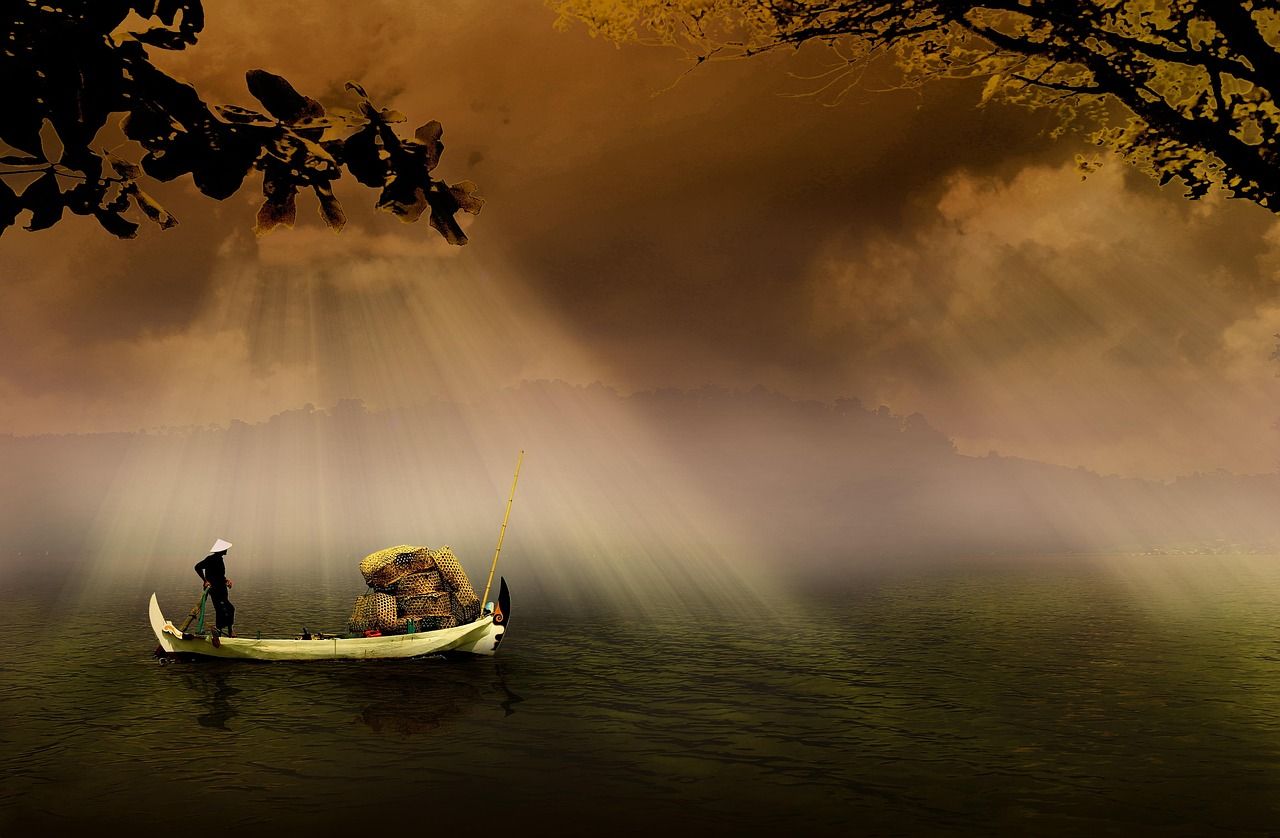
Understanding the Strategy of Fishing Funnels
Fishing in India is an experience that varies from the serene backwaters of Kerala to the rushing currents of the Himalayan foothills. For those who take their angling seriously, success often depends on more than just luck or the right bait. It is about understanding the underwater topography. One of the most effective yet overlooked strategies is knowing how to fish funnels for a consistent catch. A funnel, in the context of fishing, refers to any physical structure or geographical feature that narrows down the path of water, forcing fish to move through a restricted space. When you find a funnel, you find a natural bottleneck where fish are concentrated, making it one of the most productive spots for any angler.
Identifying Natural and Artificial Funnels in Indian Waters
In the vast river systems of India, such as the Ganges, Yamuna, or Cauvery, funnels appear in many forms. A natural funnel could be a narrow channel connecting two larger lakes, a gap between two islands in a river, or even a sudden shallowing of a riverbed that forces fish into a deeper, narrow groove. Artificial funnels are equally common. Think about the pillars of a bridge, the openings of a dam or barrage, or even the narrow pipes used in local irrigation systems. For an Indian angler, identifying these spots is the first step toward a successful outing. During the monsoon season, when water levels rise and currents become unpredictable, fish naturally seek out these structural bottlenecks to find food or shelter from the heavy flow.
The Science Behind Why Funnels Work
To master how to fish funnels for predatory species like the Wallago Attu or the mighty Mahseer, you must understand the behavior of the fish. Predatory fish are opportunistic. They prefer to sit in areas where the current brings food directly to them without requiring much energy expenditure. A funnel acts as a conveyor belt for food. Small baitfish, insects, and organic debris are pushed through the narrow opening by the current. Larger fish wait at the exit of these funnels, often tucked away in a small eddy or behind a rock, ready to strike at anything that passes through. This concentrated movement of prey makes the funnel a high-traffic zone.
The Best Times to Target Funnel Areas
Timing is everything when it comes to Indian freshwater fishing. In most parts of India, the early morning hours just before sunrise and the late evening twilight are the peak feeding times. During these windows, fish move from deeper waters into the shallows or through channels to find food. If you are fishing a funnel, these transition periods are when you will see the most activity. Additionally, the lunar cycle plays a significant role in Indian rivers. Many local anglers swear by the days leading up to the full moon, as the increased tidal influence in coastal rivers or the higher activity levels in inland waters can make funnel fishing even more productive.
Essential Gear for Funnel Fishing in India
When you are targeting fish in a funnel, you are often dealing with moving water and potential underwater obstructions like rocks or submerged branches. Therefore, your gear needs to be robust. A medium-heavy spinning rod is usually the best choice for Indian conditions. It provides enough backbone to pull a large Rohu or Catla away from the structure while being sensitive enough to feel subtle bites. Your line should ideally be a braided line with a high pound-test rating, especially if you are fishing near bridge pillars or rocky outcrops where a standard monofilament line might snap against sharp edges. A fluorocarbon leader is also recommended to ensure the fish do not see the line in the clearer waters of the post-monsoon season.
Choosing the Right Bait and Lures
The choice of bait depends heavily on the specific fish you are targeting. If you are going after traditional Indian carps like Mrigal or Rohu, a dough ball made from rice bran, flour, and local spices like star anise or cardamom works wonders in a funnel. The scent carries quickly through the narrowing water, drawing fish from a distance. For predatory species, live bait like small prawns or earthworms is highly effective. If you prefer using lures, opt for deep-diving crankbaits or heavy spoons that can sink quickly into the deeper parts of the funnel where the larger fish often hide. The key is to make your bait look like a natural part of the food chain being pushed through the bottleneck.
Step by Step Technique for Fishing a Funnel
Once you have located a suitable funnel, the next step is positioning. You should never cast directly into the narrowest part of the funnel immediately. This can spook the fish. Instead, start by casting upstream and letting your bait drift naturally through the funnel. This mimics the movement of wounded prey or drifting food. As the bait enters the exit of the funnel where the water begins to widen again, be prepared for a strike. This is where the predators usually wait. Keep your line tight but allow for some play so the bait moves realistically with the current. If you do not get a bite after several drifts, try changing the depth by adding or removing small lead weights from your line.
Safety Precautions for Indian River Banks
Fishing in Indian rivers can be unpredictable. Many funnel areas are located near steep banks or slippery rocks. Always wear footwear with a good grip and be mindful of the water level, which can change rapidly if a nearby dam releases water. It is also wise to fish with a partner, especially in remote areas. In many parts of India, riverbanks can also be home to local wildlife, so staying alert to your surroundings is just as important as watching your fishing float. Always respect the local environment and ensure you are not fishing in protected or restricted zones without the necessary permits from the local fisheries department.
Adapting to Seasonal Changes
The effectiveness of a funnel changes with the seasons in India. During the peak of summer, many smaller funnels might dry up or have very low oxygen levels, making them less attractive to fish. In contrast, the post-monsoon period is the golden era for funnel fishing. As the floodwaters recede, fish are forced into the main channels and funnels, creating a high-density environment. During winter, the water becomes clearer and colder. Fish become more lethargic, so you may need to slow down your presentation. Using a lighter tackle and smaller baits can help in enticing a bite during the cooler months in North India.
Common Mistakes to Avoid
One of the biggest mistakes beginners make is using too much weight. While you need your bait to sink, too much weight will cause it to snag on the bottom of the funnel, which is often littered with debris. Another mistake is ignoring the sides of the funnel. While the center has the fastest current, many fish sit right on the edge where the fast water meets the still water. These are known as seam lines. Always cast your bait so it crosses these seams, as fish often wait there to dart out and grab food without fighting the main current. Lastly, patience is key. A funnel is a high-traffic area, but fish move in cycles. If the action is slow, wait for thirty minutes; a new school of fish might just be swimming into your zone.
Concluding Thoughts on Masterful Angling
Mastering how to fish funnels for a better catch is a journey of observation and adaptation. By understanding how water moves and how fish use the landscape to their advantage, you move from being a casual observer to a skilled angler. India offers some of the most diverse and challenging freshwater environments in the world. Whether you are sitting on the banks of a small village pond or standing on the massive boulders of a Himalayan river, the principles of funnel fishing remain the same. Respect the water, understand the species, and use the natural bottlenecks to your advantage. With the right approach and a bit of patience, your next big catch is just one funnel away.
What is the best time of year to fish funnels in India?
The post-monsoon season, typically from October to December, is considered the best time. This is when water levels start to stabilize and fish are concentrated in channels and bottlenecks after the heavy rains.
Which Indian fish species are most likely to be found in funnels?
You will commonly find species like Rohu, Katla, and Mrigal in slower funnels. Predatory fish like Wallago Attu (Mulley), Mahseer, and various types of Murrels are often found in faster-moving funnels where they can hunt easily.
Do I need a special license to fish in these areas?
Yes, in most states in India, you require a permit from the State Fisheries Department to fish in rivers and public lakes. Some areas, especially near dams or wildlife sanctuaries, may have stricter regulations or be completely off-limits.
What should I do if my line gets stuck in a rocky funnel?
Avoid pulling directly with the rod as it might break. Instead, move your position further upstream or downstream to change the angle of the pull. Often, the current will help dislodge the hook if you give it some slack before trying to pull from a different direction.


