

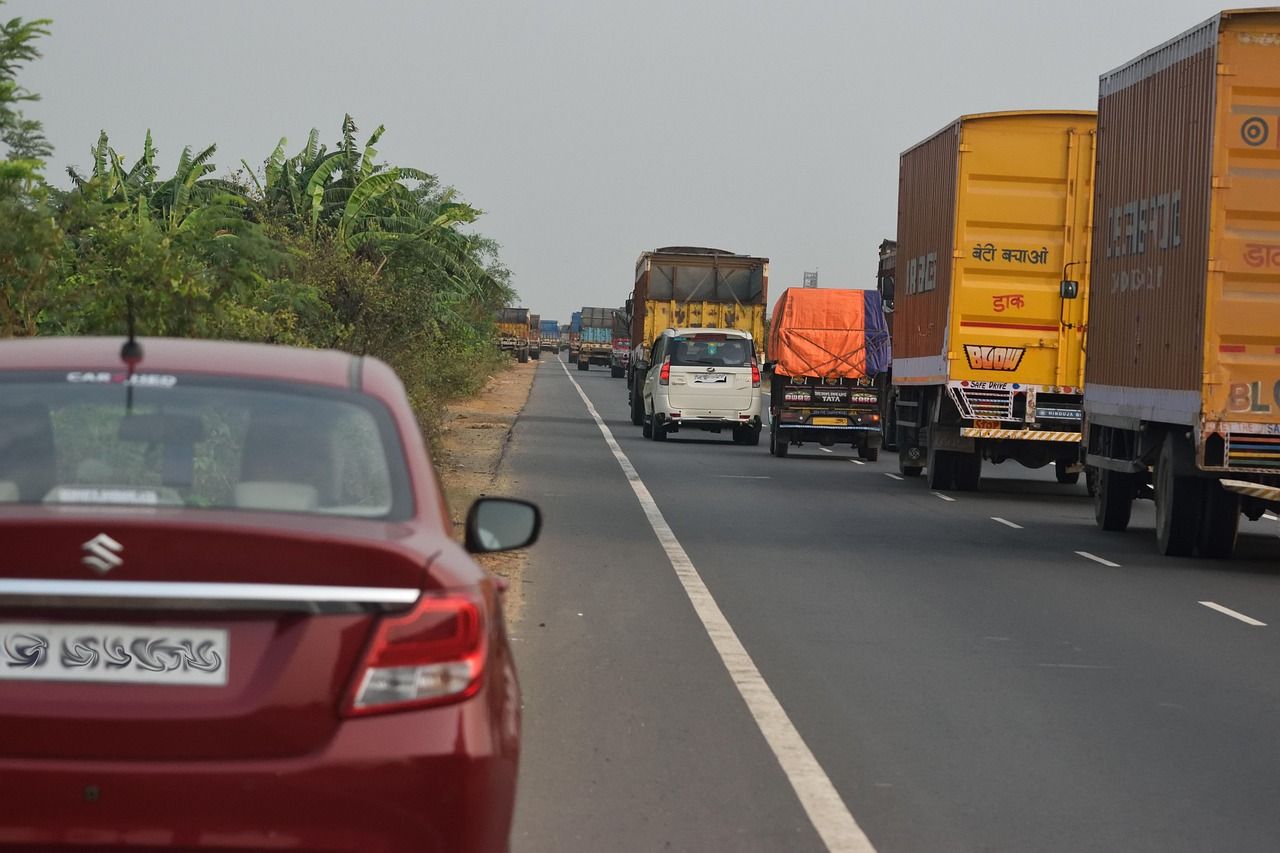
Navigating the Heart of India: Finding Your Way
Getting from point A to point B in India is rarely a straight line. Whether you are navigating the narrow, spice-scented lanes of Old Delhi or the high-tech, glass-clad corridors of Bengaluru, the question of how to get from here is one that requires a mix of cutting-edge technology, local intuition, and a healthy dose of patience. India is a land of massive distances and even more massive crowds, making navigation both a challenge and an adventure. In this guide, we will break down exactly how you can find your way around, no matter where here happens to be.
The Digital Revolution: Using Maps Effectively
In today world, the first response to how to get from here is to reach for a smartphone. Digital maps have transformed the way we move. Google Maps remains the undisputed king of navigation in India, but using it effectively requires knowing a few local tricks. For instance, the Two-Wheeler Mode is a lifesaver in cities like Pune or Chennai, where bikes can slip through traffic that would trap a car for hours. This mode provides specialized routes through alleys and shortcuts that are not accessible to larger vehicles.
Another vital feature is the Live View, which uses augmented reality to show you exactly which way to turn while walking. This is particularly useful in chaotic market areas where GPS signals might bounce off tall buildings, making the blue dot jump around confusingly. Always remember to download offline maps for your city. In areas with patchy 4G or 5G coverage, having that map data stored locally ensures you are never truly lost.
The Power of Real-Time Information
Beyond basic directions, apps like Mapple and Apple Maps have improved significantly, but for the Indian commuter, real-time data is what matters. Apps like Chalo have revolutionized bus travel by showing the live location of city buses in places like Mumbai, Kolkata, and Bhopal. Instead of standing at a dusty bus stop wondering when the next vehicle will arrive, you can time your departure from home to the exact minute. This is how you master getting from here to there without wasting hours in the heat.
Decoding Public Transport: Metros and Local Trains
In India major metros, the answer to how to get from here is almost always the train. The Delhi Metro, often cited as the lifeline of the capital, provides a template for efficient travel. When using the metro, the first step is to identify the nearest station and the color-coded line that serves your destination. Interchange stations like Rajiv Chowk or Kashmere Gate can be daunting, but clear signage makes them manageable.
In Mumbai, the local train system is an entirely different beast. To navigate the locals, you need to understand the difference between Fast and Slow trains. A fast train skips smaller stations, which is great for long-distance commuting but terrible if your destination is a small suburb. Utilizing the UTS app is crucial here; it allows you to book unreserved tickets on your phone, helping you skip the legendary ticket counter queues that can take thirty minutes of your morning.
The Last-Mile Connectivity Puzzle
The biggest challenge in Indian navigation is often the last mile—the distance between the metro station or bus stop and your actual destination. This is where auto-rickshaws and cycle-rickshaws come in. While traditional haggling is still common, app-based services like Ola Auto, Uber Auto, and Rapido have brought transparency to the process. In cities like Bengaluru, the Namma Yatri app has gained massive popularity by offering a direct-to-driver model that often results in quicker pickups and fairer prices.
Asking the Locals: The Human GPS
Despite the rise of technology, there are times when your phone will fail you, or the map will show a road that has been closed for a local festival. In such cases, the best way to get from here is to ask a local. In India, asking for directions is a social interaction. When asking, it is often best to look for shopkeepers or traffic police officers rather than people just walking by. Shopkeepers have a permanent view of the street and know the landmarks better than anyone.
When receiving directions, keep in mind that distances are often described in time or landmarks rather than kilometers. Turn left after the big peepal tree or go straight until you see the temple are common instructions. If someone says it is just five minutes away, it is usually wise to assume it might take ten. However, this human connection is often the most reliable way to find a specific house number in a colony where the numbering system follows no logical order.
Inter-City Travel: Crossing the Map
When the here is one city and the there is another hundreds of kilometers away, your strategy changes. For long-distance travel, the Indian Railways network is your best friend. The Where is my Train app is a must-have tool for every traveler. It uses cell tower data rather than GPS to track the train, meaning it works even when you are inside a metal coach with no internet. It tells you exactly which platform your train will arrive on, which is vital information when you are rushing through a massive station like Howrah or New Delhi.
For those who prefer the road, private luxury buses and state-run corporations like MSRTC or KSRTC offer extensive networks. Booking platforms like RedBus allow you to see ratings and track the bus in real-time. If you are driving yourself, be aware that highway navigation requires staying updated on toll costs and road conditions, which apps like NHAI My Sukhad Yatra can help with.
Safety and Precautions While Navigating
Your journey is only successful if it is safe. When figuring out how to get from here, especially at night or in an unfamiliar city, always use the share live location feature on WhatsApp or specialized safety apps. Most ride-hailing apps have a built-in SOS button and a way to share your trip status with trusted contacts. If you are using public transport late at night, try to stay in well-lit areas and near other groups of commuters.
For solo women travelers, many cities offer dedicated pink autos or ladies-only coaches in metros and local trains. Utilizing these can make the journey significantly more comfortable. Also, always keep a power bank handy. A dead phone in the middle of a navigation task is a major hurdle in a world that relies so heavily on digital maps.
The Practical Reality: Common Scenarios
Let us look at a few practical examples. If you are at Mumbai Airport and need to get to South Mumbai during peak hours, the map might suggest a taxi via the Sea Link. However, a seasoned traveler might tell you to take a quick auto to the nearest railway station and hop on a Churchgate-bound fast train to beat the traffic. Similarly, in Bengaluru, if you are trying to get from Indiranagar to Whitefield, the purple line of the Metro is now your most reliable bet, bypassing the notorious Silk Board traffic entirely.
Every city has these secrets. Part of learning how to get from here is learning the rhythm of the city. Traffic flows in specific patterns, and knowing when to avoid certain bottlenecks can save you hours every week. In Chennai, the Mount Road can be a nightmare during office hours, while in Kolkata, the tram lines and narrow streets of the north require a completely different approach than the wide avenues of Salt Lake.
Conclusion: Embracing the Journey
Mastering the art of navigation in India is a skill that grows with experience. By combining the precision of digital tools with the wisdom of local knowledge, you can navigate any terrain with confidence. The next time you find yourself wondering how to get from here, remember to check your apps, identify your public transport options, and never be afraid to ask for help from a friendly shopkeeper. India is a country of movement, and with the right approach, you will always find your way home.
What is the most accurate navigation app for India?
Google Maps is generally considered the most accurate due to its extensive data on Indian roads and real-time traffic updates. However, for public transport like buses and metros, specialized apps like Chalo or city-specific metro apps often provide more detailed information.
How can I find directions if I do not have an internet connection?
You should use the Offline Maps feature in Google Maps. Before you head out, download the map area of your city while on Wi-Fi. This allows you to use GPS navigation and search for locations even without a data connection.
Is it better to use ride-hailing apps or hail a taxi on the street?
In most Indian cities, ride-hailing apps like Uber and Ola are better for price transparency and safety. They eliminate the need for haggling over fares. However, for very short distances in cities like Mumbai or Kolkata, metered yellow taxis or autos can be faster and just as affordable.
How do I navigate the Indian railway stations for the first time?
Use the Where is my Train app to check your platform number in advance. Look for digital display boards at the entrance of the station and follow the signs for your specific platform. If confused, asking a coolie or a railway official is the fastest way to find the right spot.


