

Understanding the Global Ripples
In today's interconnected world, an event happening thousands of miles away can have a direct impact on the price of your morning cup of chai or the commute to your office in Bengaluru. When we talk about geopolitical tensions in the Middle East, particularly involving Iran, the conversation often feels distant. However, for the average Indian household, the economic consequences are very real. You might find yourself wondering how to prevent the iran situation from affecting your monthly budget or your long-term savings. This guide aims to break down the complexities and offer practical steps to safeguard your financial health.
India shares a deep historical and economic bond with the Middle East. With millions of Indians working in the region and our heavy reliance on energy imports, any instability involving Iran sends shockwaves through our markets. Whether it is the fluctuating price of crude oil or the sudden volatility in the NSE and BSE, understanding the mechanism of these changes is the first step toward building resilience. We cannot control global politics, but we can certainly control our response to it.
The Direct Impact on the Indian Pocket
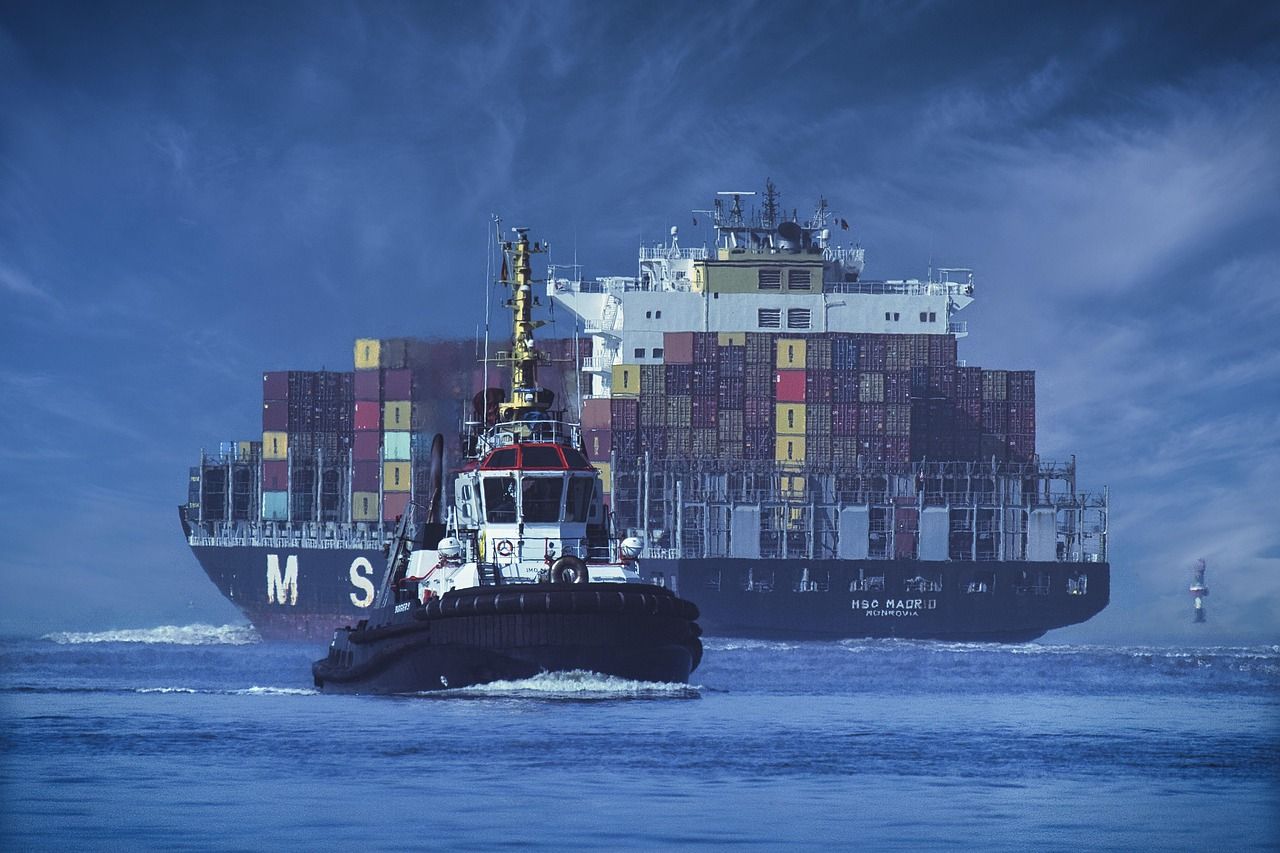
The primary concern for most Indians when tensions rise is the cost of fuel. India imports over 80 percent of its crude oil requirements. A significant portion of this oil passes through the Strait of Hormuz, a narrow waterway controlled or influenced by Iran. If this passage is disrupted, global oil prices skyrocket. When oil prices go up, it is not just petrol and diesel that get expensive. The cost of transporting goods like onions, potatoes, and grains also increases, leading to food inflation. This is where the question of how to prevent the iran impact on your household budget becomes critical.
The Role of the Indian Rupee
Geopolitical uncertainty often leads investors to pull their money out of emerging markets like India and move it into safer assets like the US Dollar. This causes the Indian Rupee to weaken. A weaker Rupee makes everything we import—from electronics to machinery—more expensive. For a student planning to study abroad or a family planning an international vacation, this currency fluctuation can be a major setback. By keeping an eye on these trends, you can time your major foreign currency expenses more effectively.
How to Prevent the Iran Crisis from Draining Your Savings
Financial planning is your best defense against global instability. You do not need to be an economist to protect your money. Here are several practical strategies that help you manage your finances when global headlines look grim.
Diversify Your Investment Portfolio
One of the most effective ways to manage risk is through diversification. If all your money is in aggressive stocks, a sudden conflict involving Iran could lead to a sharp dip in your portfolio value. Instead, consider spreading your investments across different asset classes. Mix your equity investments with debt instruments like Fixed Deposits, Public Provident Fund (PPF), or Government Bonds. Diversification ensures that even if one sector is hit hard by geopolitical news, other parts of your portfolio remain stable.
The Golden Shield
In India, gold is more than just jewelry; it is a financial security blanket. Historically, gold prices tend to rise when there is global uncertainty. If you are looking for how to prevent the iran situation from eroding your wealth, holding a portion of your assets in gold—either physically or through Sovereign Gold Bonds (SGBs)—is a wise move. Gold acts as a hedge against inflation and currency devaluation, providing a much-needed buffer during times of crisis.
Maintain an Emergency Fund
An emergency fund is a non-negotiable part of financial health, especially when global markets are volatile. Ideally, you should have at least six to twelve months of your living expenses tucked away in a liquid savings account or a liquid mutual fund. This ensures that even if there is a sudden spike in the cost of living or an unexpected economic slowdown, you have the liquidity to manage your needs without dipping into your long-term investments.
Managing Your Stock Market Expectations
The Indian stock market often reacts sharply to any news from the Middle East. Panic selling is a common sight when news of a conflict breaks out. However, history shows that markets eventually recover. If you are a long-term investor, the best way to prevent the iran led market volatility from ruining your goals is to stay the course. Avoid checking your portfolio every hour during a crisis. Often, these dips are temporary, and the fundamentals of the Indian economy remain strong enough to bounce back.
Focus on Domestic Sectors
When global tensions are high, sectors that rely heavily on exports or international supply chains might face more pressure. On the other hand, sectors focused on domestic consumption—such as FMCG, healthcare, and rural-focused businesses—tend to be more resilient. If you are worried about global shocks, shifting some of your focus toward companies that cater to India’s massive internal market can be a smart strategy.
Energy Efficiency as a Personal Strategy
Since oil is the biggest pain point in the India-Iran economic equation, reducing your personal dependency on fossil fuels is a long-term way to protect yourself. While this may not help immediately, the shift toward sustainable living is a practical answer to the question of how to prevent the iran conflict from impacting your future costs.
- Switch to Electric Vehicles: With the government providing subsidies and the infrastructure improving, switching to an EV can significantly reduce your vulnerability to petrol price hikes.
- Energy Saving at Home: Small changes like using LED bulbs, five-star rated appliances, and solar water heaters can lower your monthly electricity bills, giving you more breathing room in your budget.
- Carpooling and Public Transport: Using the metro or carpooling for your daily commute reduces the direct hit you take every time petrol prices are revised.
The Human Side: Protecting the Indian Diaspora
India has one of the largest expatriate communities in the Middle East. Millions of Indians send remittances back home, supporting their families and the national economy. If you have family members working in the region, their safety and financial stability are paramount. Staying in touch with the local Indian Embassy and keeping documents updated is a vital part of managing the human impact of the Iran situation. Encourage family members to keep their savings in diversified accounts and to stay informed through official government channels rather than social media rumors.
Conclusion
While we cannot prevent the iran geopolitical tensions from occurring on the world stage, we have immense power over how we prepare for the consequences. By diversifying our investments, embracing energy efficiency, and maintaining a calm, long-term perspective on the stock market, we can shield ourselves from the worst of the economic fallout. India has shown remarkable resilience in the face of global crises before, and with a little bit of planning and foresight, you can ensure that your personal finances remain steady regardless of the headlines. Stay informed, stay prepared, and remember that financial discipline is your strongest ally in an uncertain world.
How does the Iran-Israel conflict affect petrol prices in India?
Since India imports a large portion of its oil from the Middle East, any tension involving Iran can disrupt supply routes like the Strait of Hormuz. This scarcity leads to a rise in global crude oil prices, which eventually results in higher petrol and diesel prices at Indian fuel stations.
Is it safe to invest in the Indian stock market during Iran tensions?
Geopolitical tensions often lead to short-term volatility. While the markets might dip initially, they historically recover over the long term. For long-term investors, these dips can actually be an opportunity to buy quality stocks at a lower price, provided they have a diversified portfolio.
Why does gold price go up when there is news about Iran?
Gold is considered a safe-haven asset. When investors are worried about war, inflation, or currency devaluation, they move their money into gold because it retains its value better than paper currency during times of crisis.
How can I protect my savings from inflation caused by global conflicts?
To protect your savings, you should diversify your investments across gold, fixed-income assets, and equity. Additionally, maintaining an emergency fund and reducing unnecessary expenses can help you manage the rising cost of living during periods of high inflation.


