

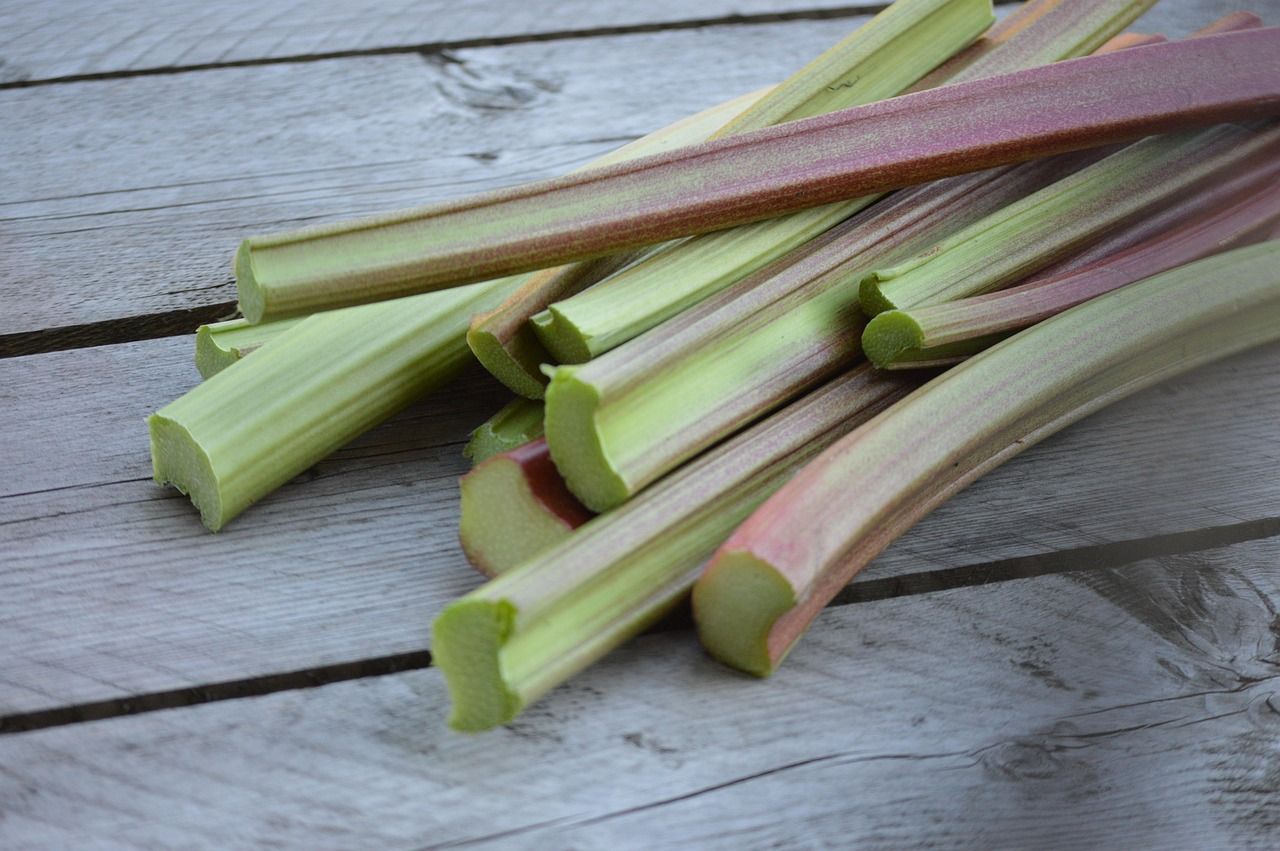
The Secret to Reviving Your Rhubarb Stalks
Finding fresh rhubarb in India can sometimes feel like a treasure hunt. Whether you have managed to source it from a high-altitude farm in Himachal Pradesh or found a rare batch at a gourmet grocery store in a city like Mumbai or Bangalore, rhubarb is a seasonal delight that many of us cherish. However, because rhubarb has a very high water content, it tends to lose its turgidity quickly. If you have ever reached into your refrigerator only to find your vibrant red stalks have become soft and flexible, do not lose hope. Knowing how to turn limp rhubarb back into crisp, crunchy stalks is a valuable kitchen skill that saves money and prevents food waste.
Why Does Rhubarb Go Limp?
Before we dive into the revival process, it is helpful to understand why rhubarb loses its snap. Rhubarb stalks are essentially a network of cells filled with water. This internal water pressure, known as turgor pressure, is what keeps the stalks upright and crisp. Once the stalk is harvested, it no longer has a root system to pull moisture from the soil. In the warm and often dry climate found in many parts of India, the moisture inside the stalk evaporates through the skin. When the cells lose water, they shrink, and the stalk becomes limp and rubbery. The good news is that these cells are still capable of absorbing water if given the right environment.
Step-by-Step Guide to Reviving Limp Rhubarb
If your rhubarb is just soft but not showing signs of decay like mold or slime, you can almost certainly bring it back to life. Follow these steps to restore that satisfying crunch.
Step 1: Inspect the Stalks
Start by checking the quality of the rhubarb. If the stalks are simply bendy, they are perfect candidates for revival. However, if you notice any dark brown spots, mushy patches, or a fermented smell, those parts should be discarded. In India's humid weather, mold can develop quickly, so always give your produce a quick sniff and a visual check before proceeding.
Step 2: The Fresh Cut
The ends of the rhubarb stalks often seal up as they dry out, creating a barrier that prevents water absorption. To fix this, use a sharp kitchen knife to trim about half an inch off both the top and the bottom of each stalk. By creating a fresh surface, you are opening up the vascular system of the plant, allowing it to draw in moisture much more efficiently.
Step 3: The Cold Water Bath
This is the most critical part of how to turn limp rhubarb into something usable. You need to submerge the stalks in cold water. You have two main options here:
- The Vertical Method: If you have a tall pitcher or a large glass, place the rhubarb stalks upright, just like a bouquet of flowers. Fill the container with several inches of cold water. This works well if only the bottom of the stalk is particularly dry.
- The Submersion Method: For stalks that are limp from top to bottom, find a large tray or a clean basin. Fill it with cold water and lay the rhubarb stalks down horizontally so they are completely covered. This allows the entire surface area of the stalk to interact with the moisture.
Step 4: Use Ice Cubes
In the Indian kitchen, our tap water is often lukewarm, especially during the summer months. To truly shock the rhubarb back into a crisp state, add a handful of ice cubes to your water bath. The cold temperature helps to firm up the cell walls quickly. Place the container in the refrigerator to keep the water chilled while the rhubarb hydrates.
Step 5: Be Patient
The rehydration process is not instant. Depending on how limp the rhubarb was to begin with, it can take anywhere from two to six hours to see a significant difference. Many home cooks find that leaving the rhubarb in its water bath inside the fridge overnight yields the best results. By morning, you should find that the stalks have regained their rigidity and will snap when bent.
What to Do if the Rhubarb Stays Limp
Sometimes, if the rhubarb has been out of the ground for too long, it might not return to its original raw crunch. However, this does not mean it belongs in the compost bin. Limp rhubarb is still perfectly safe and delicious to use in recipes where the texture is going to be broken down anyway. Here are some India-friendly ways to use softened rhubarb:
Rhubarb and Ginger Chutney
The tartness of rhubarb pairs beautifully with the heat of ginger and Indian spices. You can cook down limp stalks with some jaggery, cumin, kalonji (onion seeds), and dried red chilies. Because you are simmering the rhubarb into a jam-like consistency, the initial limpness of the stalks will have zero impact on the final result. This chutney is a fantastic accompaniment to hot parathas or even spread on toast.
Rhubarb Compote for Desserts
If you were planning to make a crumble or a cake, limp rhubarb is actually easier to chop. Simmer the stalks with a little sugar and a splash of rose water or cardamom for a local twist. This compote can be swirled into thick yogurt (curd) or served over a bowl of kheer for a tangy contrast to the sweetness.
Rhubarb Infused Water or Syrup
In a hot climate, a refreshing rhubarb-infused drink is a treat. You can boil the limp stalks with water and sugar to create a vibrant pink syrup. Strain out the solids and mix the syrup with soda water and a squeeze of lime. It is a sophisticated alternative to standard lemonade.
Preventing Limpness: Proper Storage Tips for India
Prevention is always better than cure. To avoid having to revive your rhubarb in the future, follow these storage tips tailored for the Indian household:
- Don't Wash Until Use: Moisture on the surface of the stalk during storage can lead to rot. Keep your rhubarb dry until you are ready to use it or revive it.
- The Damp Paper Towel Trick: Wrap the stalks loosely in a damp (not soaking wet) paper towel or a thin muslin cloth. This creates a humid micro-environment that slows down evaporation.
- Use the Crisper Drawer: Place the wrapped rhubarb in a perforated plastic bag and store it in the vegetable crisper drawer of your refrigerator. This area usually has the most consistent humidity levels.
- Remove Leaves Immediately: If your rhubarb came with the large green leaves attached, cut them off right away. Not only are the leaves toxic to humans because of high oxalic acid content, but they also draw moisture away from the stalks, causing them to go limp much faster.
Conclusion
Learning how to turn limp rhubarb into crisp stalks is a simple but effective way to ensure you get the most out of this unique vegetable. By using a fresh cut and a cold water bath, you can reverse the effects of dehydration and restore that classic snap. Even if the stalks don't fully recover their raw crunch, they remain a versatile ingredient for chutneys, jams, and desserts. Next time you see a bundle of slightly sad-looking rhubarb at the market, don't pass it by. With a little bit of water and a few hours in the fridge, you can bring it back to its former glory and enjoy its wonderful tart flavor in your kitchen.
Can I use limp rhubarb for baking without reviving it?
Yes, you can. If you are making a pie, crumble, or jam where the rhubarb will be cooked down into a soft consistency, there is no need to revive it first. Just ensure the stalks are not spoiled or moldy.
How long does it take for rhubarb to become crisp again?
Typically, it takes between 2 to 8 hours. For very limp stalks, leaving them in a cold water bath in the refrigerator overnight is the most effective method.
Is it safe to eat rhubarb if it has gone soft?
Softness is usually just a sign of dehydration. As long as the stalks are not slimy, significantly discolored, or smelling off, they are perfectly safe to eat after being washed and prepared.
Should I peel the rhubarb before soaking it?
No, do not peel the rhubarb before soaking. The skin helps hold the structure of the stalk while the internal cells absorb the water. You only need to trim the ends to allow water intake.


