

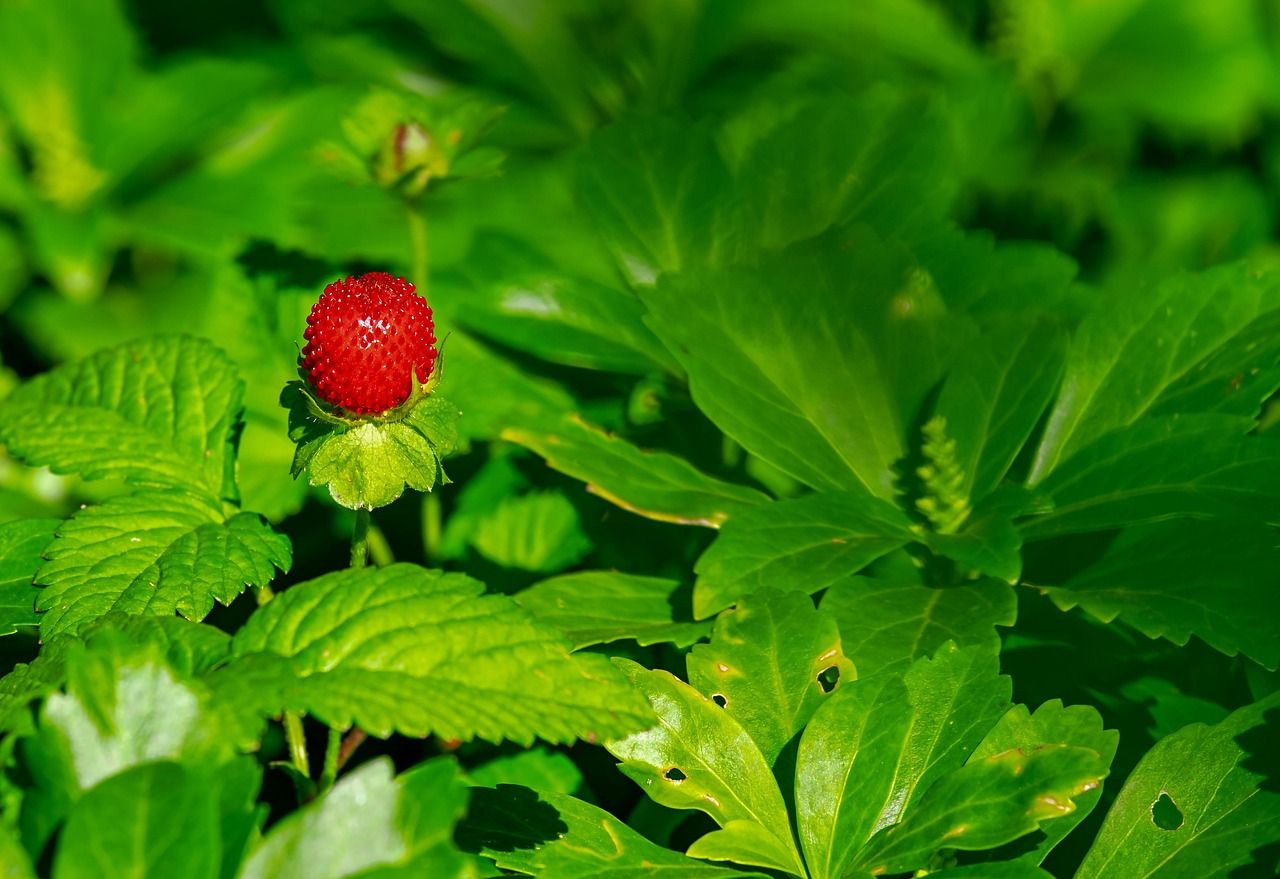
Introduction to Growing Strawberries in India
For a long time, many of us believed that strawberries were exotic fruits that only grew in the cool, misty hills of Mahabaleshwar or the valleys of Himachal Pradesh. However, home gardening in India has evolved tremendously. Today, whether you live in the humid climate of Mumbai, the heat of Delhi, or the pleasant weather of Bangalore, you can successfully grow your own juicy, red strawberries. Growing strawberries at home ensures you get fruit that is free from harmful pesticides and harvested at the peak of ripeness.
In this guide, we will explore how to grow strawberries from two primary methods: seeds and runners. While growing from seeds is a test of patience, growing from runners provides a faster harvest. We will break down the entire process into simple, manageable steps tailored specifically for the Indian climate and soil conditions.
Understanding the Indian Growing Season
The biggest challenge in India is the heat. Strawberries are essentially temperate plants that love cool weather. In most parts of India, the best time to start your strawberry journey is during the onset of autumn. The window from September to November is ideal for planting. This allows the plants to establish themselves during the mild cold of winter and produce fruit before the scorching summer sun arrives in April. In cooler regions like Ooty or Pune, the growing season can be slightly longer, but for most urban gardeners in the plains, winter is the golden period.
How to Grow Strawberries from Seeds
Growing strawberries from seeds is a rewarding experience, though it requires a bit more effort than using saplings. Most commercial strawberries you buy in Indian markets are hybrids, so if you save those seeds, the results might be unpredictable. It is often better to buy high-quality seeds of varieties like Sweet Charlie or Chandler from a reputable local nursery or online store.
Step 1: Cold Stratification
Strawberry seeds have a natural dormancy that needs to be broken. In nature, this happens during winter. You can mimic this by placing your seed packet in a sealed container and putting it in the refrigerator (not the freezer) for about three to four weeks. This process, called stratification, tells the seeds that winter has passed and it is time to wake up and grow.
Step 2: Preparing the Seed Tray
Since strawberry seeds are tiny, you need a fine seed-starting mix. Avoid using heavy garden soil. A mix of 50% cocopeat and 50% vermicompost is perfect for Indian conditions. Fill a shallow tray or small paper cups with this mix and moisten it slightly. Sprinkle the seeds on the surface. Do not bury them deep; they need light to germinate. A very thin dusting of cocopeat over them is enough to keep them from blowing away.
Step 3: Germination and Care
Cover the tray with a transparent plastic sheet or a glass pane to maintain humidity. Place it in a bright spot but away from direct sunlight. In the Indian climate, germination can take anywhere from 14 to 30 days. Be patient. Once you see tiny green shoots, remove the cover. When the seedlings have at least three or four true leaves, they are ready to be transplanted into larger pots.
How to Grow Strawberries from Runners
If you find the seed method too slow, runners are your best friend. Runners are long, horizontal stems that a mature strawberry plant sends out. At the end of these stems, tiny new 'daughter' plants develop. This is the most popular way to propagate strawberries in India because it is faster and the new plant is a clone of the mother, meaning you know exactly what kind of fruit you will get.
Step 1: Identifying Healthy Runners
During the late monsoon or early autumn, look at a healthy strawberry plant. You will see thin, leafless stems creeping along the ground. At the nodes of these stems, you will notice small clusters of leaves and tiny root nubs. These are your future plants.
Step 2: Rooting the Daughter Plants
Instead of cutting the runner immediately, place a small pot filled with soil right under the tiny daughter plant while it is still attached to the mother. Gently press the base of the daughter plant into the soil and secure it with a U-shaped wire or a small stone. Keep the soil in this small pot moist. Within two weeks, the daughter plant will develop its own strong root system.
Step 3: Detaching and Transplanting
Once the new plant feels firm and shows new leaf growth, you can snip the connecting stem (the runner) from the mother plant. Your new strawberry plant is now independent! This method is highly effective for Indian gardeners because it bypasses the delicate seedling stage which often fails due to sudden temperature fluctuations.
The Ideal Potting Mix for Indian Homes
Strawberries have shallow roots and are very sensitive to waterlogging, which is a common problem in Indian households using heavy clay soil. To ensure success, you need a well-draining, nutrient-rich potting mix. A tried and tested ratio for Indian conditions is:
- 40% Garden Soil (clean and sieved)
- 30% Well-rotted Cow Dung Manure or Vermicompost
- 20% Cocopeat (to retain moisture without being soggy)
- 10% Fine Sand or Perlite (for drainage)
Mix in a handful of Neem Cake powder to protect the roots from soil-borne pests and fungus, which are prevalent in warm, humid climates.
Sunlight and Watering Requirements
In the West, strawberries are grown in full sun. In India, you have to be more strategic. During the peak of winter (December and January), keep your plants in a spot where they get 6 to 8 hours of direct sunlight. However, as February ends and the sun gets harsher, you may need to move your pots to a spot that gets morning sun and afternoon shade. Using a green shade net can also help in protecting the plants from the intense Indian heat.
When it comes to watering, the golden rule is to keep the soil moist but never wet. Overwatering is the number one killer of strawberry plants in India. Always water at the base of the plant. Getting water on the leaves or the fruit can lead to fungal infections and rot. In the dry months of March, you might need to water daily, but always check the top inch of soil first.
Fertilizing and Mulching
Strawberries are heavy feeders. Since they have a short growing season in India, they need regular nutrition. Every 15 days, you can add a liquid fertilizer. A simple home remedy is fermented seaweed liquid or a tea made from soaking vermicompost in water overnight. Avoid heavy nitrogen fertilizers once the plant starts flowering, as this will give you lots of leaves but very few berries.
Mulching is a step you cannot skip. The word 'strawberry' likely comes from the practice of mulching with straw. Because the fruit is heavy, it sits on the soil. In the Indian climate, contact with damp soil will cause the berry to rot within a day. Use dried grass, paddy straw, or even wood shavings to create a barrier between the fruit and the soil. This also helps keep the roots cool as the temperature rises.
Common Pests and Diseases in India
The most common issues you will face are aphids, spider mites, and slugs. If you notice tiny insects on the underside of leaves, a simple spray of diluted Neem oil (5ml in 1 liter of water with a few drops of liquid soap) usually does the trick. For slugs, which love to eat holes in your ripening berries, try to keep the area around the pots clean and dry. Fungal leaf spot can also occur during the transition from monsoon to winter; simply prune off the affected leaves and ensure better air circulation around the plants.
Harvesting Your Homegrown Berries
The magic moment happens when the berries turn from green to white and finally to a deep, brilliant red. In India, your first harvest usually arrives about 4 to 5 months after planting seeds, or 2 to 3 months after planting runners. Harvest the berries in the morning when they are cool. Use a pair of scissors to snip the stem rather than pulling the fruit, which can damage the delicate plant. Homegrown strawberries are much sweeter than store-bought ones because they are allowed to ripen fully on the vine.
Conclusion
Learning how to grow strawberries from seeds or runners is a journey of observing nature and adapting to your local environment. While the Indian climate presents some challenges, the joy of picking a sun-warmed, organic strawberry from your own balcony is incomparable. By starting at the right time in autumn, using a light potting mix, and protecting your plants from the midday heat, you can turn your garden into a berry paradise. Whether you choose the slow, rewarding path of seeds or the quick results of runners, the secret lies in consistent care and a bit of patience. Happy gardening!
What is the best month to plant strawberries in India?
The best time to plant strawberries in most parts of India is between late September and early November. This allows the plants to grow during the cool winter months and produce fruit before the extreme summer heat begins in April.
Can I grow strawberries in pots on a balcony?
Yes, strawberries are excellent for container gardening. Since they have shallow roots, they can thrive in pots that are at least 8 to 12 inches deep. Ensure the pots have good drainage holes to prevent root rot.
How long does it take for a strawberry plant to produce fruit?
If you grow strawberries from runners or nursery saplings, you can expect fruit within 2 to 3 months. If you are growing from seeds, it usually takes 4 to 6 months to see the first harvest, depending on the variety and care.
Do strawberry plants need a lot of water?
Strawberry plants need consistent moisture but do not like to sit in water. In India, you should water them whenever the top layer of soil feels dry. Always water at the base of the plant to keep the leaves and fruit dry.


