

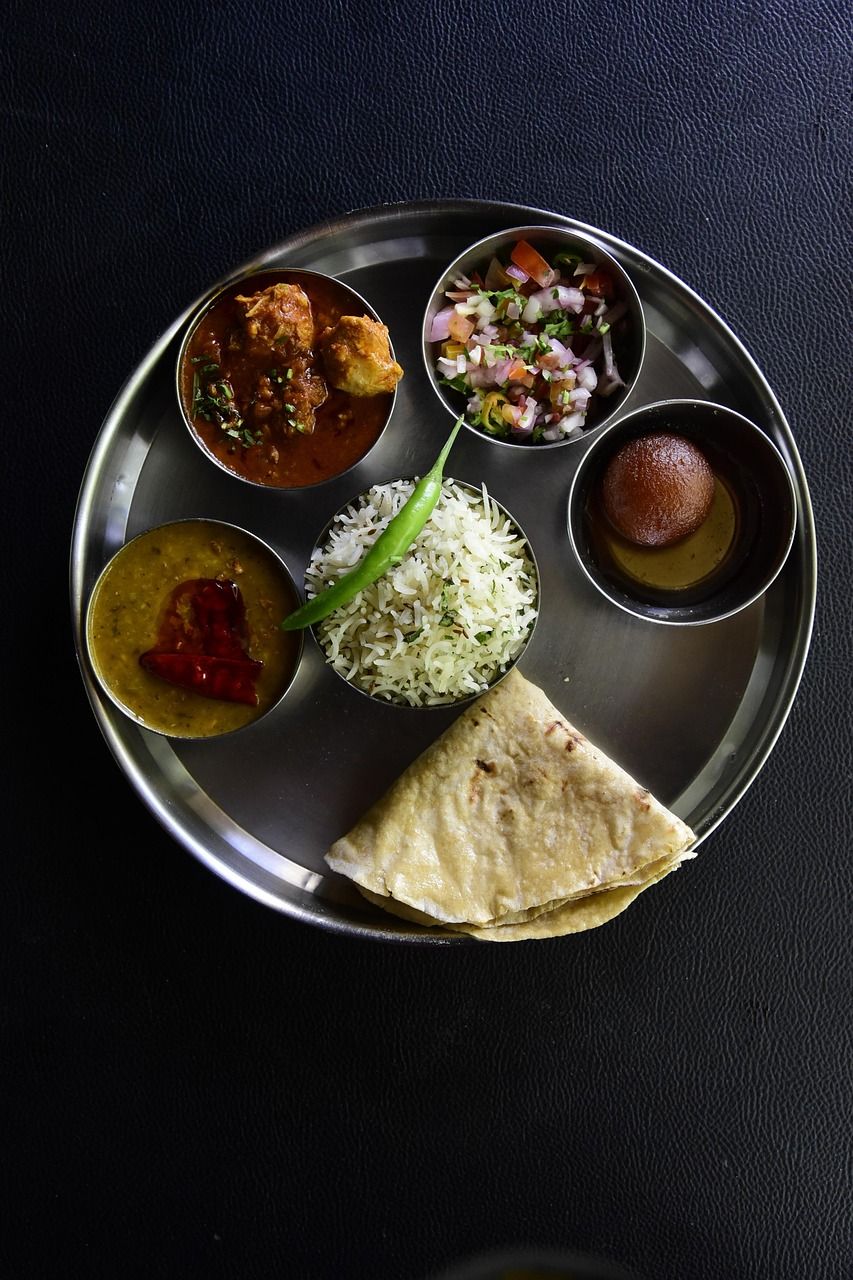
The Challenge of Healthy Eating in an Indian Household
In the vibrant tapestry of Indian culture, food is much more than mere sustenance. It is an expression of love, a centerpiece for celebration, and a deep-rooted tradition that spans generations. Whether it is the aroma of tempering spices in a kitchen or the sight of a ghee-laden paratha on a Sunday morning, Indian food is synonymous with comfort. However, as lifestyle diseases become increasingly common, many of us find ourselves at a crossroads. We want to improve our well-being, but the thought of abandoning our traditional palate is daunting. The big question remains: how to eat healthier without losing the joy of the food we love?
The common misconception is that a healthy diet requires a total overhaul of your kitchen, replacing local staples with expensive imported superfoods like kale, avocados, or quinoa. This simply is not true. Healthy eating is not about deprivation or eating bland food; it is about making smarter choices within the framework of your existing lifestyle. By understanding the nutritional value of our traditional ingredients and making small adjustments to our cooking methods, we can achieve significant health benefits without feeling like we are on a restrictive diet.
How to Eat Healthier Without Breaking the Bank
One of the biggest myths about wellness is that it is expensive. When people search for how to eat healthier without spending a fortune, they are often surprised to find that the answers are right in their local mandi. Indian seasonal produce is naturally packed with the vitamins and minerals our bodies need. Instead of opting for imported fruits like blueberries or dragon fruit, look towards local alternatives like amla (Indian gooseberry), jamun, or guava. These are far more affordable and often have a higher nutritional density because they are consumed fresh and in season.
Furthermore, traditional Indian grains are some of the most budget-friendly superfoods on the planet. Millets like jowar (sorghum), bajra (pearl millet), and ragi (finger millet) have been part of our ancestors' diets for centuries. They are rich in fiber, gluten-free, and keep you full for longer compared to refined flour. Replacing a portion of your wheat intake with these millets is a cost-effective way to boost your health. Buying lentils and pulses in bulk and focusing on seasonal vegetables ensures that your plate remains nutritious without burning a hole in your pocket.
How to Eat Healthier Without Quitting Rice
In many parts of India, a meal is incomplete without rice. From the fragrant Basmati of the North to the hearty Ponni rice of the South, it is a staple that provides energy and comfort. Often, the first piece of advice people receive when trying to lose weight is to stop eating rice altogether. But if you want to know how to eat healthier without giving up rice, the secret lies in variety and portion control.
White rice is highly processed, which removes the bran and germ, leaving mostly starch. To make your rice habit healthier, consider switching to brown rice, red rice, or hand-pounded rice. These varieties retain their fiber content, which helps in slow digestion and prevents sudden spikes in blood sugar levels. If the texture of brown rice does not appeal to you, try a 50-50 mix of white and brown rice. Additionally, focus on the ratio of rice to vegetables on your plate. Instead of making rice the main event, use it as a side dish. Fill half your plate with colorful sabzi (vegetables), one-quarter with dal or lean protein, and the remaining quarter with rice. This way, you get the satisfaction of eating rice while significantly increasing your fiber and micronutrient intake.
How to Eat Healthier Without Losing Flavor
Indian cuisine is world-renowned for its bold flavors and aromatic spices. The fear that healthy food must be boiled and tasteless is a major barrier for many. The good news is that Indian spices are actually some of the most potent health-boosters available. Turmeric contains curcumin, an anti-inflammatory powerhouse. Cumin aids digestion, and cinnamon helps regulate blood sugar. When considering how to eat healthier without compromising on taste, look at your cooking oils and methods rather than your spices.
Traditional Indian cooking often involves deep-frying or using excessive amounts of refined oil. You can retain all the flavor of a dish by using techniques like sautéing, steaming, or pressure cooking. Invest in a good quality non-stick pan or a seasoned cast-iron skillet to reduce the amount of oil needed for tempering. Using cold-pressed oils like mustard oil, groundnut oil, or even a small amount of desi ghee can be healthier than using highly processed vegetable oils. Ghee, when used in moderation, provides healthy fats and aids in the absorption of fat-soluble vitamins. By mastering the art of the tadka with less oil, you can enjoy your favorite dals and curries without the excess calories.
How to Eat Healthier Without Spending Hours in the Kitchen
The modern Indian lifestyle is fast-paced, and many of us struggle to find time for elaborate meal preparation. If you are looking for how to eat healthier without spending your entire evening in the kitchen, the key is smart preparation. Indian cooking is naturally suited for batch cooking. You can boil large quantities of lentils or chickpeas and store them in the refrigerator to be used in different dishes throughout the week. Pre-chopping vegetables on the weekend can save significant time during busy weekdays.
One-pot meals are another savior for the time-strapped health enthusiast. Dishes like vegetable khichdi, daliya (broken wheat), or even a hearty vegetable pulao can be made in a single pressure cooker or instant pot. These meals are balanced, containing carbohydrates, proteins, and fibers all in one dish. Additionally, using simple recipes like sautéed greens or quick sprout salads can provide a massive nutritional boost with minimal effort. Remember, a healthy meal does not have to be a five-course feast; a simple bowl of dal and a side of sautéed seasonal vegetables is a perfect, nutritious dinner.
How to Eat Healthier Without Quitting Social Gatherings
In India, social life revolves around food. From weddings with massive buffets to evening tea with neighbors, food is everywhere. Many people avoid social gatherings when trying to eat better because they fear the temptation. But knowing how to eat healthier without isolating yourself is crucial for long-term success. The strategy here is mindfulness rather than total avoidance.
Before heading to a party or a wedding, eat a small, fiber-rich snack like an apple or a handful of nuts. This prevents you from arriving famished and making impulsive choices at the buffet. At the event, scan the entire spread before picking up a plate. Look for grilled options like tandoori chicken or paneer tikka instead of deep-fried starters. When it comes to the main course, prioritize vegetable-based dishes and dals over heavy, cream-based curries. If there is a dessert you absolutely love, have a small portion and savor it slowly. The goal is to participate in the joy of the occasion without overindulging to the point of discomfort.
Conclusion: Embracing a Sustainable Approach
Transitioning to a better lifestyle does not require a radical departure from your roots. By focusing on how to eat healthier without making drastic, unsustainable changes, you create habits that can last a lifetime. It is about the small victories: choosing a whole grain over a refined one, adding one extra serving of vegetables to your day, or opting for a glass of water instead of a sugary soda. Indian food, with its emphasis on plants, spices, and fermentation, is inherently one of the healthiest cuisines in the world when prepared mindfully. Embrace the wisdom of traditional Indian eating—focus on local, seasonal, and balanced meals—and you will find that being healthy is not a chore, but a natural extension of your heritage.
Can I eat white rice every day and still be healthy?
Yes, you can eat white rice every day if you manage your portion sizes and pair it with a high amount of fiber and protein. Ensure that at least half your plate consists of vegetables and dal to balance the glycemic load of the white rice.
Is desi ghee healthy for daily consumption?
Desi ghee is a source of healthy fats and contains butyric acid which aids digestion. However, it is calorie-dense, so it should be consumed in moderation, typically one to two teaspoons per day as part of a balanced diet.
How can I reduce oil in Indian cooking without losing the taste?
You can reduce oil by using high-quality non-stick cookware, using techniques like steaming or roasting, and focusing on the quality of your spices. A small amount of oil used in a tadka at the end of cooking can provide plenty of flavor with much less fat.
What are some healthy Indian snacks for weight loss?
Healthy Indian snack options include roasted makhana (fox nuts), boiled chana (chickpeas) chat, sprouts, roasted chana, and fresh fruits. These are high in fiber and protein, keeping you full between meals.


