

Understanding the Threat of Invasive Plants in India
Walking through a lush garden or a local park in India, you might be struck by the vibrant greenery. However, not all that is green is beneficial. For many Indian homeowners and land managers, a silent war is being fought against invasive plant species. These are non-native plants that spread aggressively, choking out local flora and disrupting the delicate balance of our local ecosystems. From the hilly tracts of the Western Ghats to the suburban backyards of Delhi and Bangalore, learning how to remove invasive plants is becoming a vital skill for anyone who cares about biodiversity.
Invasive species are more than just a nuisance; they are biological pollutants. They lack natural predators in their new environment, allowing them to grow unchecked. This leads to the depletion of soil nutrients, the drying up of local water sources, and even health issues for humans and livestock. If you have noticed a single species taking over your entire garden or plot, you are likely dealing with an invasion. This guide will provide you with practical, effective, and safe methods to reclaim your land.
Common Invasive Plants Found in India
Before you start pulling things out of the ground, you need to identify your enemy. India is home to several notorious invasive species that have caused significant ecological damage. Recognizing these is the first step in knowing how to remove invasive plants effectively.
Lantana Camara (Wild Sage/Ghaneri)
Introduced as an ornamental plant, Lantana has now covered millions of hectares of Indian forest and pasture land. It forms dense, thorny thickets that prevent native grass and shrubs from growing. Its berries are toxic to livestock, and its presence can even increase the risk of forest fires.
Parthenium Hysterophorus (Congress Grass/Gajar Ghas)
Perhaps the most hated weed in India, Parthenium is an aggressive colonizer of vacant plots and agricultural fields. It is not just a threat to other plants; it is a health hazard. Contact with the plant or inhaling its pollen can cause dermatitis, hay fever, and asthma in humans.
Eichhornia Crassipes (Water Hyacinth)
If you have a pond or a water body on your property, you might have seen this floating plant with beautiful purple flowers. Do not be fooled by its beauty. Water Hyacinth grows at an incredible rate, blocking sunlight and depleting oxygen in the water, which kills fish and other aquatic life.
Prosopis Juliflora (Vilayati Kikar)
Common in the arid and semi-arid regions of India, this thorny shrub was originally introduced for fuel wood. However, it has become a menace by depleting groundwater and preventing the growth of native trees like Neem and Babool.
Preparation: Tools and Safety Measures
Removing invasive plants is hard work and can sometimes be dangerous. Proper preparation is essential to ensure you do not hurt yourself or inadvertently spread the seeds further. You will need a sturdy pair of gardening gloves, preferably leather, to protect against thorns and skin-irritating sap. Long-sleeved shirts and trousers are a must, especially when dealing with Parthenium or Lantana.
Regarding tools, a sharp spade, a pickaxe for deep-rooted shrubs, and heavy-duty pruning shears are basic requirements. For aquatic plants, a long-reach rake or a specialized hook may be necessary. Ensure all your tools are cleaned before and after use to prevent carrying seeds from one area to another.
Mechanical and Manual Removal Techniques
For most home gardens and small plots in India, manual removal is the most environmentally friendly and effective method. It allows for precision, ensuring you do not damage your prized Hibiscus or Jasmine while targeting the invaders.
Hand Pulling and Digging
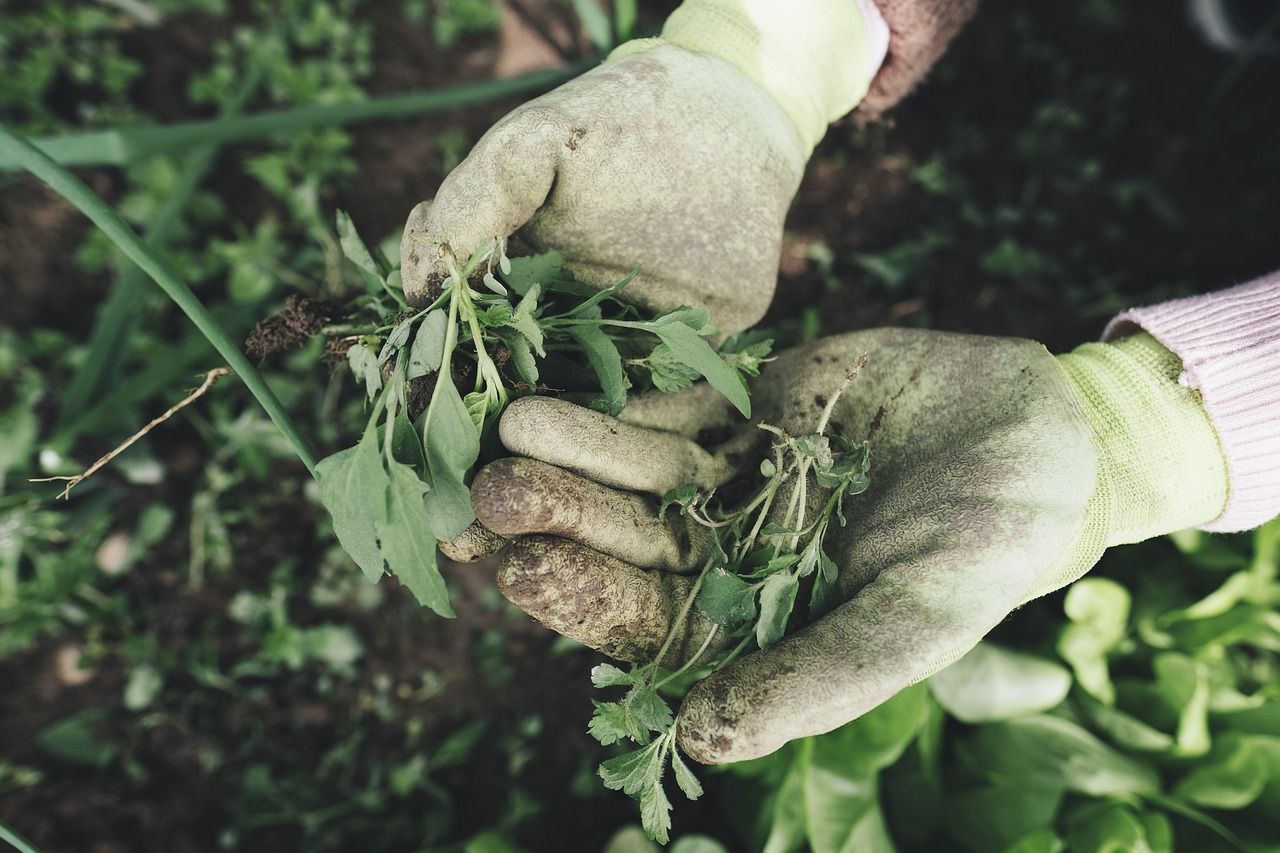
This is most effective for young plants or species with shallow root systems. The best time to do this is after a good monsoon shower when the soil is soft and moist. Grip the plant firmly at the base and pull steadily upward. For deeper roots, use a spade to loosen the soil around the plant. It is crucial to remove the entire root system; many invasive plants, like Lantana, can regrow from even a small piece of root left in the ground.
Cutting and Mowing
While cutting doesn't always kill the plant, it can prevent it from flowering and producing seeds. For large patches of invasive grass or soft-stemmed weeds, regular mowing can eventually exhaust the plant's energy reserves. However, be careful with plants like Parthenium, as mowing can sometimes scatter seeds if the plant has already matured.
Girdling for Larger Shrubs
For invasive trees or large woody shrubs like Prosopis, girdling involves removing a strip of bark around the entire circumference of the trunk. This interrupts the flow of nutrients from the leaves to the roots, eventually killing the tree without the need for heavy machinery or immediate felling.
Chemical Control: When and How to Use It
Sometimes, manual labor isn't enough, especially for massive infestations or highly resilient species. In such cases, herbicides might be considered. However, in an Indian context where many households keep livestock or have children playing in the garden, chemical use must be extremely targeted.
Glyphosate is a common broad-spectrum herbicide used for many invasive species. To minimize environmental impact, avoid spraying. Instead, use the "cut-and-paint" method. Cut the invasive plant near the ground and immediately brush a concentrated herbicide solution onto the fresh stump. This delivers the chemical directly to the roots without affecting surrounding plants or the soil.
Proper Disposal of Invasive Plant Waste
One of the biggest mistakes people make when learning how to remove invasive plants is improper disposal. If you simply throw the uprooted plants into a corner or onto a compost pile, you might be helping them spread. Many invasive seeds can survive the composting process.
- Do not compost invasive plants if they have already gone to seed.
- Dry the uprooted plants on a concrete surface or a plastic tarp until they are completely brown and brittle.
- Once dried, the best option is often controlled burning (where local laws allow) or bagging the waste securely for municipal disposal.
- For aquatic plants like Water Hyacinth, ensure they are moved far away from any water source so they cannot wash back in during rain.
Restoring the Land with Native Species
Removal is only half the battle. Invasive plants are opportunistic; they thrive in disturbed soil. If you leave the ground bare after removing weeds, the invasives will simply return. The key to long-term success is to "fill the gap" with native Indian plants.
Depending on your region, consider planting native species like Neem, Ashoka, Indian Coral Tree, or flowering shrubs like Tecoma and Bougainvillea. These plants are adapted to the local climate and soil, requiring less water and maintenance than exotic varieties. Once established, they will provide the necessary shade and competition to prevent invasive seeds from germinating.
Monitoring and Long-Term Maintenance
The seeds of many invasive plants can remain dormant in the soil for years. Therefore, your job isn't finished once the initial clearing is done. You must monitor the area at least once a month, especially during the growing season following the rains. Pull out any new seedlings immediately before they have a chance to establish a root system or produce seeds.
Consistency is the secret to a weed-free garden. By being vigilant and acting quickly when a new invader appears, you can maintain the ecological health of your property and contribute to the preservation of India's natural beauty. Removing invasive plants is a labor of love for the environment, and while it requires effort, the result of a thriving, native-rich garden is well worth it.
Can I use salt to kill invasive plants in my garden?
While salt can kill plants, it is generally not recommended for garden use. Salt ruins the soil structure and makes it sterile, meaning nothing—including your native plants—will grow there for a long time. It can also leach into groundwater.
What is the best time of year to remove weeds in India?
The best time is during the early monsoon season. The soil is soft, making it easier to pull out roots completely, and the plants are usually in their growth phase before they have set seeds.
Is Parthenium dangerous to touch with bare hands?
Yes, many people develop severe skin allergies and rashes upon contact with Parthenium. Always wear gloves and full-coverage clothing when handling this specific invasive plant.
Why shouldn't I just leave invasive plants alone?
Invasive plants spread rapidly and can take over your entire property, killing off the plants you actually want. They also harbor pests, deplete soil nutrients, and in some cases, can pose a fire hazard or health risk to your family and pets.
How long does it take to completely clear an invasive species?
It depends on the species and the extent of the infestation. For plants with long-lived seeds in the soil, it may take 2 to 3 years of consistent monitoring and removal to ensure they are completely eradicated from the site.


