

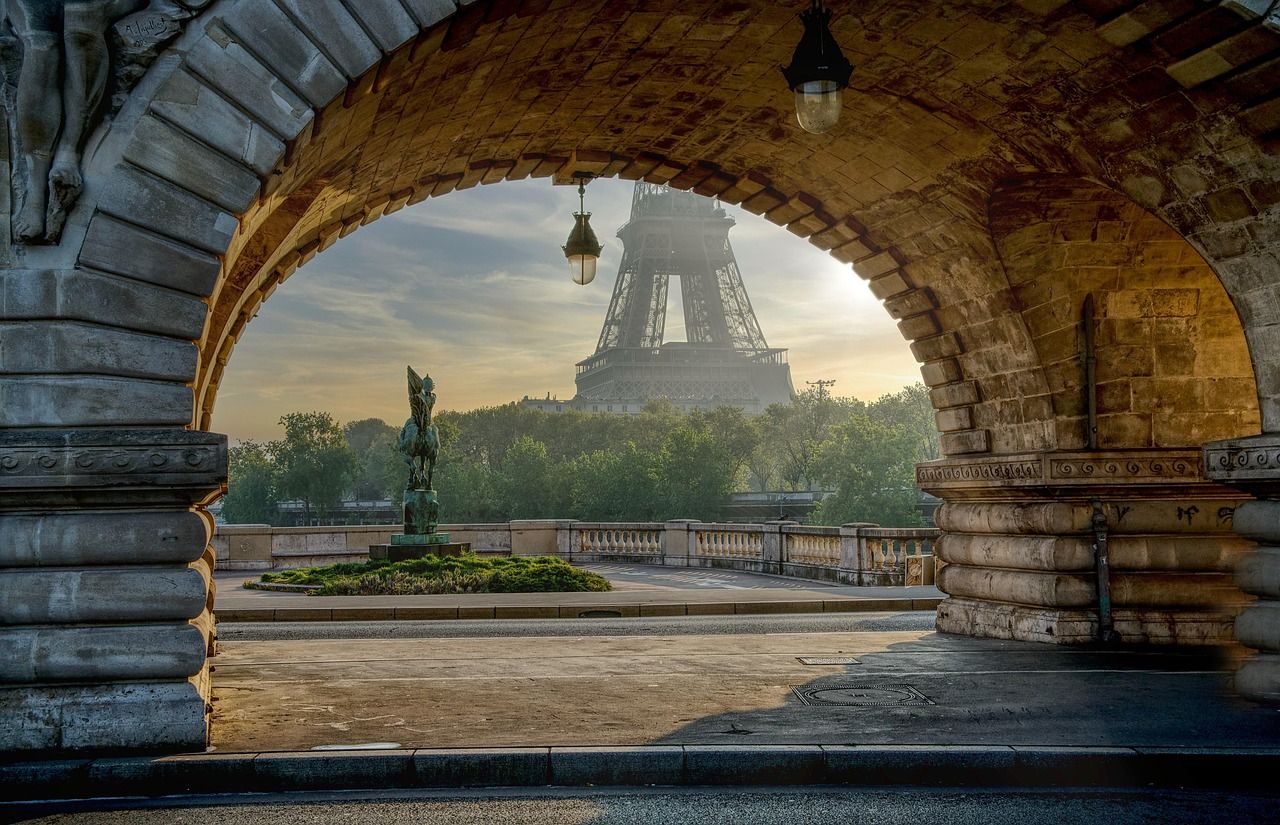
How to Experience the Magic of France Without Breaking Your Budget
For many Indian travelers, a trip to France is the ultimate dream. Whether it is the romantic allure of the Eiffel Tower, the artistic charm of Montmartre, or the sun-kissed beaches of the French Riviera, France has a magnetic pull. However, the moment we look at the Euro to Indian Rupee conversion rate, that dream can feel a bit intimidating. The high cost of living in Western Europe often discourages budget-conscious travelers from exploring this beautiful country to the fullest. But what if you could wander through the streets of Paris, enjoy a fresh croissant in a village in Provence, and take the high-speed train across the countryside without draining your savings?
Visiting France on a budget is not only possible but can also lead to a more authentic experience. By moving away from the expensive tourist traps and learning how the locals live, you can save thousands of Rupees. From smart flight booking strategies to mastering the art of the French supermarket, this guide will show you exactly how to save while visiting France from India.
Plan Your Journey: Timing and Flights
The first major expense for any Indian traveler is the flight. A round-trip ticket from Mumbai, Delhi, or Bengaluru to Paris can range anywhere from 60,000 to over 1,00,000 INR depending on when you book. To save money, timing is everything. Avoiding the peak summer months of July and August is the best way to keep costs down. During this time, flight prices skyrocket and accommodation rates double. Instead, consider the shoulder seasons: April to June or September to October. The weather is pleasant, the crowds are thinner, and the prices are significantly more reasonable.
When booking flights, do not just look at direct options like Air France or Air India. Often, the most affordable way to reach France from India is via Middle Eastern carriers like Etihad, Emirates, or Qatar Airways with a short layover in Abu Dhabi, Dubai, or Doha. Another great hack is to look for flights into secondary cities. Sometimes flying into Lyon, Marseille, or even nearby hubs like Brussels or Geneva and then taking a bus or train into France can save you a substantial amount of money.
Mastering French Transportation
Once you land in France, your biggest recurring expense will likely be transportation. While the TGV (high-speed train) is legendary for its speed and comfort, it can be very expensive if you buy tickets at the last minute. To save, always book your train tickets via the SNCF website at least two to three months in advance. If you are under 27, you can purchase a Carte Avantage Jeune for around 49 Euros, which offers a 30 percent discount on all trips and can pay for itself in just one or two long-distance journeys.
For those on a tighter budget, consider using Ouigo, the low-cost version of the TGV. These trains offer the same speed but with fewer frills and lower prices. Alternatively, FlixBus and BlaBlaCar Bus offer incredibly cheap intercity travel. A bus journey from Paris to Lyon might take six hours compared to two hours on a train, but it can cost as little as 15 Euros compared to 60 or 70 Euros for a train ticket.
Getting Around Cities Like a Local
In Paris, avoid taking taxis or ride-sharing services like Uber, which can be prohibitively expensive. The Metro system is one of the best in the world. For Indian travelers staying for a week, the Navigo Decouverte pass is a lifesaver. This pass allows for unlimited travel on the Metro, RER, and buses for a fixed weekly fee. Just remember that the weekly pass runs from Monday to Sunday, so plan your arrival accordingly. For shorter stays, buying a book of ten tickets (un carnet) is cheaper than buying single tickets. Most importantly, France is a country made for walking. Exploring the arrondissements on foot is not only free but also the best way to discover hidden cafes and beautiful architecture that you would otherwise miss.
Where to Stay: Thinking Beyond Hotels
Accommodation in France, particularly in Paris, is notorious for being expensive and offering very small rooms. To save money, consider staying in neighborhoods that are slightly outside the main tourist hubs. In Paris, instead of looking for hotels near the Louvre or the Eiffel Tower, look at the 12th, 13th, or 20th arrondissements. These areas are well-connected by Metro, much quieter, and significantly cheaper. If you are traveling as a group or a family, an apartment rental via Airbnb or similar platforms is often better than a hotel as it gives you access to a kitchen.
Budget Hotel Chains and Hostels
If you prefer hotels, look for budget-friendly French chains like Ibis Budget, Hotel F1, or B&B Hotels. These are clean, functional, and usually located near major transport links. For solo travelers, France has a thriving hostel culture. Hostels in cities like Nice, Bordeaux, and Lyon are not only affordable but also great places to meet fellow travelers and get tips on local hidden gems.
Eating and Drinking on a Budget
Food is a highlight of any trip to France, but dining out at restaurants for every meal will quickly exhaust your budget. A typical sit-down dinner in a mid-range restaurant can easily cost 25 to 40 Euros per person. To save, follow the lead of the French locals. For breakfast, visit a local boulangerie (bakery). A fresh croissant or pain au chocolat costs just over 1 Euro and is often better than any hotel breakfast. For lunch, look for the 'Menu du Jour' or 'Formule'. This is a fixed-price set menu offered by most bistros that includes two or three courses for a fraction of the dinner price.
The Power of the Supermarket
Indian travelers can save a massive amount by shopping at local supermarkets like Monoprix, Carrefour, or Lidl. You can pick up a baguette, some local cheese, ham, and a bottle of wine for less than 10 Euros and have a picnic in one of France’s beautiful parks, such as the Jardin du Luxembourg. This is a very common practice in France and offers a classic Parisian experience at a minimal cost. Additionally, never buy bottled water at tourist sites where it might cost 3 Euros. In France, tap water is perfectly safe and high-quality. Carry a reusable bottle and fill it up at the many public fountains, or when dining at a restaurant, ask for 'une carafe d'eau' which is a free jug of tap water.
Sightseeing for Less
France offers incredible cultural experiences, many of which are free. Most museums in Paris, including the Louvre and the Musee d'Orsay, are free for everyone on the first Sunday of every month. If you are under 26 and a resident of the EU (for those Indian students studying in Europe), admission is free year-round. For others, consider the Paris Museum Pass if you plan on visiting more than four or five major sites. It covers entry fees and often allows you to skip the long ticket lines.
Free Walking Tours and Parks
Every major French city has organizations that offer 'free' walking tours. These are led by local guides who work for tips. It is a fantastic way to learn the history of a city like Strasbourg or Marseille without paying a large upfront fee. Furthermore, many of France's most beautiful sites are free to enjoy, such as the Basilique du Sacre-Coeur, the beaches of the Cote d'Azur, and the public gardens of the Loire Valley chateaux.
Smart Financial Tips for Indian Travelers
Hidden costs often come from currency exchange and bank fees. Avoid exchanging Rupees for Euros at the airport, as the rates are usually poor. Instead, use a Forex card or a modern Indian banking card with low foreign markup fees. Many Indian travelers now use cards that offer the interbank rate, which can save you 3 to 5 percent on every transaction. Also, always choose to pay in the local currency (Euro) when a card machine asks if you want to pay in INR to avoid the high conversion rates set by the merchant's bank.
Shopping and Tax Refunds
If you plan on doing some shopping, remember that as a resident of India, you are eligible for a VAT refund (detaxe) on purchases over 100 Euros made at a single store. Ensure you carry your passport and ask the shopkeeper for the tax-free paperwork. Validating these forms at the airport before you fly back can get you around 12 percent of your money back, which is a significant saving on luxury goods or perfumes.
Conclusion
France does not have to be an impossibly expensive destination for Indian travelers. By planning your transport in advance, eating like a local, and choosing your accommodation wisely, you can significantly reduce your daily spend. Saving money on the basics allows you to splurge on the things that truly matter, like a special dinner in a historic brasserie or a guided tour of a world-class vineyard. With a little bit of preparation and these budget-friendly strategies, your dream French holiday is well within reach.
What is the cheapest month to visit France from India?
The cheapest months to visit France are during the low season, specifically November, January, and February. During these months, flight tickets from India are at their lowest and hotel prices drop significantly. However, if you prefer better weather, the shoulder months of May and September offer a great balance between cost and pleasant temperatures.
Is it better to buy a Rail Pass or point-to-point tickets?
For most travelers, buying point-to-point tickets in advance via the SNCF website is cheaper than a Eurail Pass. Rail passes are only cost-effective if you plan on taking several long-distance high-speed train journeys within a few days. For a standard itinerary covering 3-4 cities, booking individual tickets early is the best way to save.
How can I find vegetarian food in France on a budget?
Vegetarianism is growing in France. While traditional French bistros focus on meat, you can find excellent and affordable vegetarian options at Italian restaurants (pizzas and pastas), Lebanese stalls (falafel wraps), and Indian restaurants in areas like Gare du Nord in Paris. Supermarkets also carry a wide range of salads, cheeses, and ready-to-eat vegetarian meals.
How much daily budget should I keep for a trip to France?
A budget traveler can manage on 60 to 80 Euros per day (approximately 5,500 to 7,500 INR). This covers staying in a hostel or budget hotel, using public transport, eating one meal from a bakery or supermarket, and one meal at a budget-friendly bistro, along with visiting one major attraction.


