

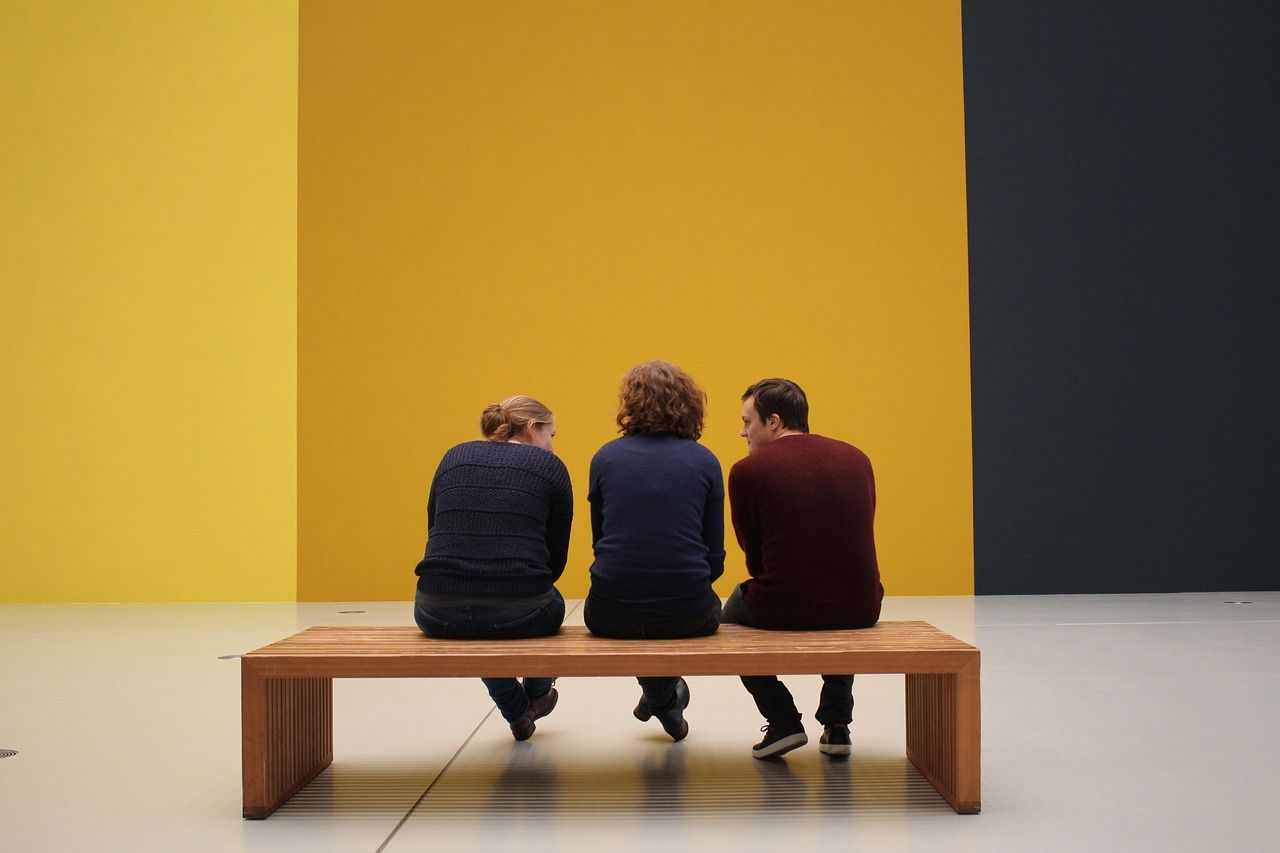
The Quiet Magic of Stepping into an Art Gallery
Walking into an art gallery for the first time can feel a bit like entering a library where you do not know the language. The silence, the pristine white walls, and the profound expressions on the faces of other visitors can be intimidating. Many people in India often hesitate to step into spaces like the National Gallery of Modern Art or private galleries in Colaba or Hauz Khas because they feel they lack the technical knowledge to appreciate what is on the walls. However, the truth is that art is a conversation meant for everyone. Learning how to visit an art space is not about having a degree in fine arts; it is about opening your mind and your senses to a new experience.
In India, the art scene is blossoming. From the historic corridors of the Indian Museum in Kolkata to the cutting-edge contemporary shows at the Kochi-Muziris Biennale, there is a wealth of visual culture waiting to be explored. If you have been wondering how to visit an art exhibition without feeling out of place, this guide will walk you through everything from the basic etiquette to the deeper emotional engagement required to truly enjoy the experience.
Preparation: Before You Step Through the Door
The secret to a successful gallery visit often happens before you even leave your house. While spontaneity is great, a little bit of research goes a long way in making the experience comfortable. When you are planning how to visit an art gallery, start by checking the gallery’s website or social media pages. Most galleries in major Indian cities like Mumbai, Delhi, and Bangalore keep their exhibition schedules updated online.
Check the Timings and Entry Requirements
Many public museums in India are closed on Mondays and national holidays. Private galleries might have shorter hours on weekends. Additionally, check if you need to book a slot. While most private galleries are free to enter, public museums often have a nominal entry fee. Knowing these details prevents the disappointment of reaching a closed door after navigating city traffic.
Understanding the Theme
Read a short paragraph about the current exhibition. Is it a solo show by a young Indian artist? Is it a retrospective of a master like M.F. Husain? Knowing the theme or the medium—whether it is oil paintings, digital art, or sculptures—helps you set your expectations and gives you a starting point for your observations.
The Practicalities of Your Visit
One of the most common questions people ask when learning how to visit an art space is about the dress code and behavior. In India, there is no strict dress code for galleries, but being mindful of the environment is important.
What to Wear
Comfort is key. You will be standing and walking for at least an hour or two. Opt for comfortable footwear. Many Indian art lovers prefer a smart-casual look—think a nice kurta with jeans or a simple cotton dress. Since many galleries are heavily air-conditioned to protect the artwork, carrying a light stole or jacket is often a smart move.
Gallery Etiquette and Manners
Respecting the space is non-negotiable. First and foremost, never touch the artwork. Even the natural oils on your skin can damage a canvas or a sculpture over time. Secondly, maintain a low volume. Galleries are places of reflection; loud conversations or phone calls can be disruptive to others. When it comes to photography, always check the rules first. While many modern galleries encourage social media sharing, some traditional spaces or specific private collections strictly prohibit photography to protect copyright and the integrity of the work.
How to Engage with the Artwork
Once you are inside, the question shifts from the logistics to the intellectual: how to visit an art exhibition and actually understand it? You do not need to look at every single piece for ten minutes. In fact, doing so might lead to gallery fatigue.
The First Pass
Walk through the entire room relatively quickly. Let your eyes wander. You will notice that certain pieces naturally pull you toward them. This is your instinctual reaction to color, scale, or subject matter. Once you have a sense of the whole room, go back to the pieces that caught your eye.
The Art of Slow Looking
When you find a piece that resonates with you, stop. Give it at least two minutes of your undivided attention. Observe the brushstrokes. If it is a sculpture, walk around it to see how the light changes its form. Ask yourself basic questions: How does this make me feel? Does it remind me of a place or a person? In the context of Indian art, you might look for familiar cultural symbols—a specific shade of saffron, the depiction of a monsoon sky, or the architectural lines of an ancient temple—and see how the artist has reimagined them.
Using the Labels and Catalogues
Most artworks are accompanied by a small label listing the artist's name, the title of the work, the year it was created, and the medium used. Read these, but do not let them dictate your entire opinion. Sometimes, galleries provide a 'concept note' or a brochure at the entrance. These are incredibly helpful for understanding the artist’s intent and the political or social context behind the work, which is often vital in the contemporary Indian art scene.
Navigating Different Types of Art Spaces in India
The experience of how to visit an art space changes depending on the venue. India offers a diverse range of environments for art consumption.
Public Museums
Places like the Chhatrapati Shivaji Maharaj Vastu Sangrahalaya (CSMVS) in Mumbai are vast. Do not try to see everything in one day. Pick one wing or one specific period of history to explore. These spaces are often more formal and can be crowded on weekends.
Private Contemporary Galleries
Private galleries, often found in refurbished industrial spaces or quiet residential lanes, offer a more intimate experience. The staff here are usually very knowledgeable. Do not be afraid to ask them a question about a piece. Unlike a museum, these spaces are commercial, meaning the art is for sale, but you are absolutely welcome to look even if you have no intention of buying.
Art Fairs and Festivals
Events like the India Art Fair or the Jaipur Art Summit are high-energy environments. These are great for seeing a huge variety of styles in a short time. When visiting these, prioritize comfort and stay hydrated, as the sheer volume of art and people can be overwhelming.
Dealing with Gallery Fatigue
Even the most seasoned art critics experience gallery fatigue—the point where your brain feels full and you can no longer process visual information. When you start feeling tired or find your mind wandering to what you want for dinner, it is time to take a break. Many Indian museums now have beautiful cafes or garden areas. Stepping out for a chai and a snack allows your mind to settle and digest what you have seen before you decide to continue or head home.
The Value of the Solo Visit vs. Going with Friends
There is a unique charm to both ways of visiting. Going alone allows you to move at your own pace and connect deeply with your own emotions without the pressure to perform or explain your thoughts. On the other hand, going with a friend can lead to fascinating discussions. Art is subjective, and hearing how a friend interprets a modern abstract piece compared to your own view can be an eye-opening experience. If you are learning how to visit an art gallery for the first time, going with a friend who shares your curiosity can make the space feel less intimidating.
Conclusion: Art is a Personal Journey
Ultimately, knowing how to visit an art exhibition is about giving yourself permission to have an opinion. You do not have to like everything you see. In fact, finding a piece that you strongly dislike can be just as educational as finding one you love. It helps you define your own tastes and perspectives. India’s art world is a vibrant, evolving landscape that reflects our history, our struggles, and our dreams. By stepping into a gallery, you are participating in that cultural dialogue. So, the next time you pass a gallery in your city, do not just walk past. Step inside, take a deep breath, and let the art speak to you in its own silent, powerful language.
Do I need to pay for entry to art galleries in India?
Most private contemporary art galleries in India are free to the public. However, state-run museums and larger cultural institutions like the National Gallery of Modern Art (NGMA) usually charge a nominal entry fee, which is often different for Indian citizens and foreign tourists.
Can I visit an art gallery if I don't know anything about art?
Absolutely. Art is meant to be experienced by everyone. You do not need a background in art history to appreciate a painting or a sculpture. Your personal emotional response to a piece is just as valid as a critic's analysis.
Is it okay to take photos of the artwork?
This depends on the gallery's policy. Many modern galleries allow non-flash photography for personal use or social media. However, some exhibitions, especially those featuring sensitive or borrowed works, may strictly prohibit photography. Always look for signs at the entrance or ask the gallery staff before taking pictures.
How long should a typical gallery visit last?
A typical visit to a small private gallery might take 30 to 45 minutes, while a large museum could take several hours. It is better to spend more time looking at a few pieces that interest you rather than rushing through the entire collection just to see everything.


