

Navigating the Diversity of Indian Fashion
India is a country of vibrant contrasts, where the climate changes every few hundred kilometers and the cultural calendar is packed with events that demand specific sartorial choices. Figuring out how to dress for the various scenarios you encounter daily can be a daunting task. Whether you are navigating a heatwave in Delhi, a monsoon downpour in Mumbai, or a high-profile corporate meeting in Bengaluru, your wardrobe needs to be as versatile as the landscape itself. This guide provides a comprehensive look at how to master the art of dressing for the Indian context, ensuring you remain comfortable, stylish, and culturally appropriate at all times.
How to Dress for the Scorching Indian Summer
Summer in India is not just a season; it is a test of endurance. With temperatures often crossing the 40-degree Celsius mark, the primary goal of your outfit should be breathability. Natural fabrics are your best friends during these months. Cotton, linen, and mulmul allow air to circulate and absorb sweat, preventing the discomfort of damp clothing. When considering how to dress for the heat, opt for lighter shades like white, pastel blue, mint green, and lemon yellow, as these colors reflect sunlight rather than absorbing it.
For women, loose-fitting kurtas paired with palazzos or cotton trousers offer a sophisticated yet airy silhouette. A mulmul dupatta can provide protection from the sun without adding unnecessary weight. For men, linen shirts paired with light-colored chinos or cotton trousers are ideal for both casual and semi-formal settings. Avoid synthetic fabrics like polyester or nylon at all costs, as they trap heat and can lead to skin irritation in the humid Indian climate.
Mastering the Monsoon Wardrobe
The arrival of the rains brings relief from the heat but introduces a new set of challenges. When thinking about how to dress for the monsoon, functionality must take precedence. The high humidity levels mean that clothes take longer to dry, so choosing the right blend of fabrics is essential. While cotton is great for summer, it can become heavy and transparent when wet. During the rains, consider lightweight georgette, chiffon, or high-quality synthetic blends that dry quickly and do not wrinkle easily.
Length is another critical factor. Avoid floor-sweeping skirts or long trousers that will inevitably get splattered with mud. For women, knee-length dresses, culottes, or short kurtis with leggings are practical choices. For men, slightly cropped trousers or rolling up the hems of chinos can prevent them from getting soaked. Darker colors and busy prints are also advisable during the monsoon as they camouflage water spots and mud stains more effectively than solids.
How to Dress for the Chilly Indian Winter
Winter in India varies significantly by region. While South India experiences a pleasant dip in temperature, North India can get bone-chillingly cold. The secret to knowing how to dress for the winter lies in the art of layering. Instead of one heavy coat, wearing multiple thinner layers allows you to adjust your clothing as the sun comes out during the day.
A base layer of thermal wear is essential in colder regions. On top of that, you can add a cotton or silk shirt, followed by a sweater or a cardigan. For a touch of traditional elegance, a pashmina or wool shawl is a timeless addition to any Indian winter outfit. Women can pair ethnic suits with long trench coats or embroidered jackets, while men can opt for Nehru jackets over kurtas or formal shirts to add an extra layer of warmth without sacrificing style. Choosing rich fabrics like velvet, wool, and heavy silk during this time provides both insulation and a luxurious aesthetic.
Professional Attire: Dressing for the Indian Workplace
The modern Indian workplace is a unique blend of global corporate standards and traditional sensibilities. Understanding how to dress for the office requires a balance between professionalism and comfort. In many Indian cities, business casual is the norm, but the interpretation can vary. A crisp Chikankari kurta paired with slim-fit trousers is a perfectly acceptable professional outfit for women in most sectors, offering a blend of cultural identity and formal structure.
For men, the classic button-down shirt paired with trousers remains the gold standard. However, the Nehru jacket has become an increasingly popular way to elevate a simple outfit for important meetings or presentations. It provides a structured look that is less restrictive than a Western blazer, making it ideal for the Indian climate. In more formal corporate environments like law or banking, stick to neutral palettes like navy, charcoal, and beige to maintain an air of authority and reliability.
The Grandeur of the Indian Wedding Season
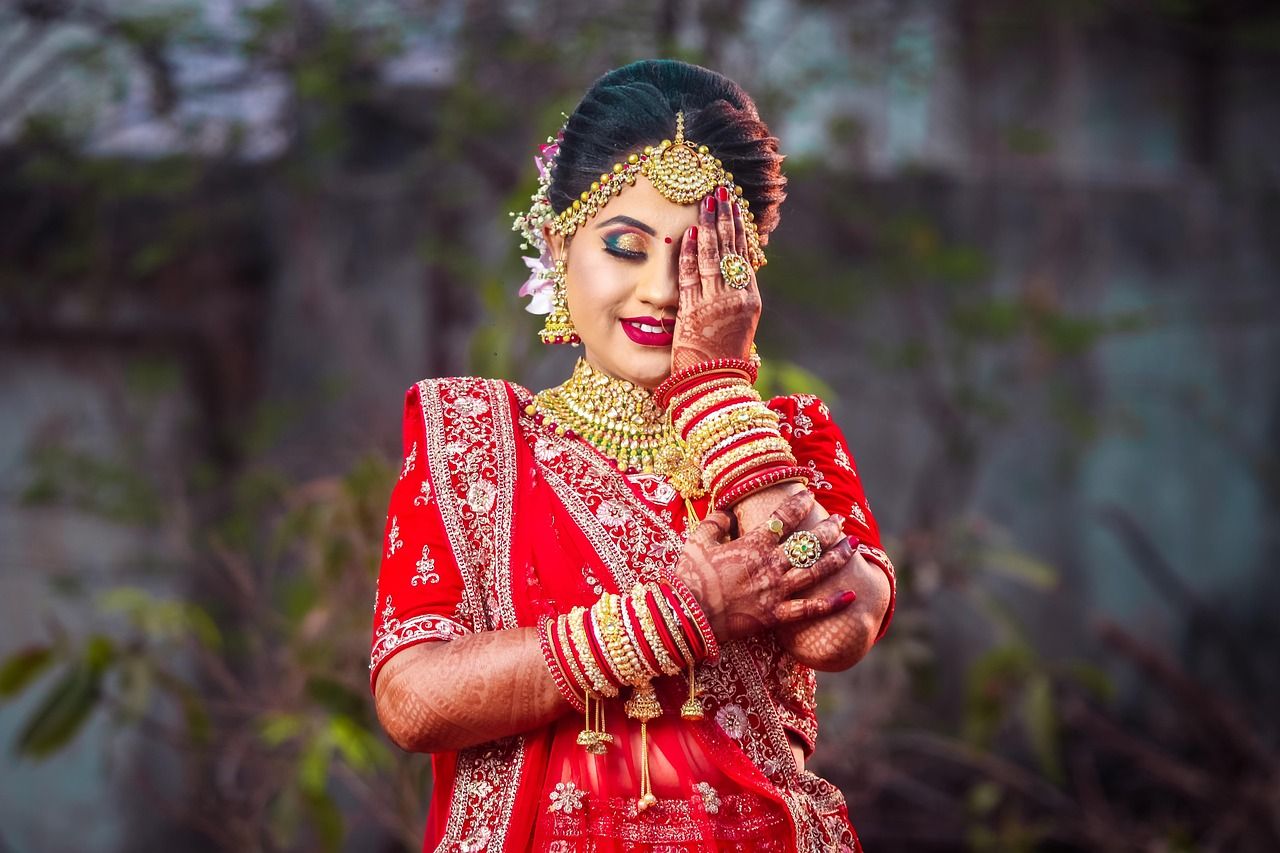
No guide on how to dress for the Indian lifestyle would be complete without mentioning the wedding season. Indian weddings are multi-day affairs, each requiring a different level of formality. For the Mehendi or Haldi ceremonies, opt for lighter, brighter colors like yellow, orange, or lime green. These are usually more relaxed events where comfort is key so you can participate in the festivities and dancing.
The main wedding ceremony and reception demand more opulence. For women, a Banarasi or Kanjeevaram silk saree is a foolproof choice that exudes grace and tradition. Alternatively, a heavily embellished lehenga or a floor-length Anarkali suit can make a bold statement. For men, a well-tailored Sherwani or a Jodhpuri suit is the standard for high-formality events. When choosing your outfit, consider the time of day; lighter embroideries and pastels work well for day weddings, while deep jewel tones and heavy gold work are better suited for evening celebrations.
Dressing for Casual Outings and Travel
When you are off the clock, the question of how to dress for the weekend or a quick getaway depends on your destination. For a casual day out in the city, the 'Indo-western' look is highly effective. Think denim jeans paired with a short ethnic tunic or a graphic t-shirt with an ethnic printed skirt. This style is practical for navigating crowded markets and trendy cafes alike.
If you are traveling across India, comfort is paramount. Long train journeys or flights require soft fabrics and non-restrictive waistbands. A pair of joggers or leggings with a long breathable top is the ideal travel uniform. Always carry a light scarf or a denim jacket, as air conditioning in malls, cinemas, and public transport can often be surprisingly cold compared to the outdoor temperature.
Conclusion: Developing Your Personal Style
Ultimately, knowing how to dress for the various facets of Indian life is about understanding your environment and respecting the occasion while staying true to your personal comfort. The most successful outfits are those that consider the fabric, the fit, and the cultural context of the setting. By investing in a few high-quality staples like cotton kurtas, well-fitted trousers, and versatile ethnic layers, you can navigate the complexities of the Indian calendar with ease and confidence. Remember that fashion is a form of self-expression; while guidelines help, the best outfit is always the one that makes you feel like the best version of yourself.
How to dress for the humid climate in coastal Indian cities?
In coastal areas like Mumbai, Chennai, or Kolkata, humidity is the biggest challenge. Stick to lightweight, natural fibers like linen and thin cotton. Avoid tight clothing that clings to the skin; instead, choose silhouettes that allow for maximum airflow.
What is the best way to dress for a casual Indian wedding?
For a casual or semi-formal wedding event, men can wear a simple kurta with pajamas or chinos. Women can opt for a stylish georgette saree or a simple Salwar Kameez with minimal embroidery. Focus on bright, festive colors rather than heavy embellishments.
How can I make my office wear more interesting in India?
You can add interest to office wear by incorporating Indian textiles. Try wearing shirts made of Ikat or Handloom cotton, or use a printed silk scarf to add a pop of color to a neutral Western outfit. Fusion wear is a great way to stay professional yet unique.
How to dress for the monsoon to avoid ruining expensive footwear?
During the monsoon, switch from leather or suede shoes to high-quality rubber or PVC footwear. There are many stylish waterproof sandals and bellies available that look professional but can withstand water and mud. Always keep a pair of dry socks or a change of shoes at your workplace.


