

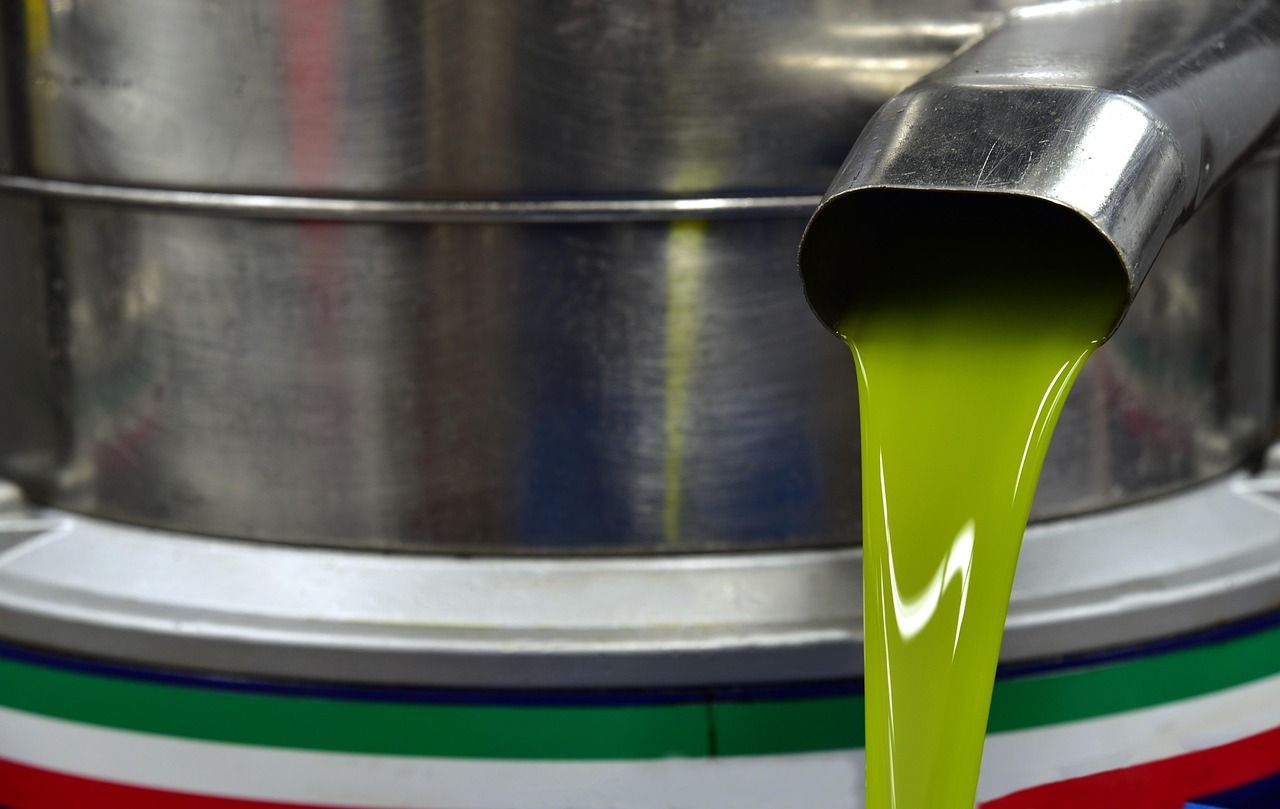
The Lucrative World of Oil Business in India
India has a deep-rooted connection with oils that spans thousands of years. From the ancient science of Ayurveda to the diverse culinary traditions across various states, oils have always been central to the Indian lifestyle. However, in recent years, there has been a significant shift in consumer behavior. People are moving away from mass-produced, highly refined oils and are seeking purity, health benefits, and traditional extraction methods. This shift has opened up a massive window of opportunity for anyone looking to understand how to profit from oils in today's market. Whether you are interested in edible oils, essential oils, or cosmetic formulations, the potential for growth is immense.
The Indian edible oil market is one of the largest in the world, and while the majority of it is dominated by large corporations, there is a rapidly growing niche for local, authentic, and high-quality products. Modern Indian consumers are willing to pay a premium for products that promise health and transparency. This guide will walk you through the various business models, manufacturing processes, and marketing strategies required to build a profitable venture in the oil industry within the Indian context.
Understanding the Different Segments of the Oil Market
Before diving into the business, it is crucial to identify which segment you want to target. The oil industry is not a monolith; it is divided into several specialized categories, each with its own investment requirements and profit margins.
Cold-Pressed Edible Oils (Kacchi Ghani)
This is currently the most popular segment in the Indian health-conscious market. Traditional cold-pressed oils, often referred to as Lakdi Ghana or Kacchi Ghani, are extracted without the use of heat or chemicals. This process preserves the nutritional value and natural aroma of the seeds. Common products include groundnut oil, mustard oil, coconut oil, and sesame oil. Because consumers are becoming aware of the harmful effects of refined oils, the demand for cold-pressed variants is skyrocketing in urban centers like Bengaluru, Mumbai, and Delhi.
Essential and Aromatherapy Oils
Essential oils are concentrated extracts derived from plants, flowers, and herbs. India is a major exporter of several essential oils like lemongrass, peppermint, and sandalwood. These oils are used in aromatherapy, skincare, and even as flavoring agents in the food industry. While the extraction process for essential oils is more complex (usually involving steam distillation), the profit margins are significantly higher compared to edible oils.
Carrier and Cosmetic Oils
These are oils used primarily for topical applications, such as almond oil, jojoba oil, and castor oil. With the rise of the D2C (Direct to Consumer) beauty industry in India, there is a high demand for pure carrier oils that people use as part of their daily skincare and hair care routines. Many small-scale entrepreneurs find success by sourcing high-quality carrier oils and branding them for the premium beauty market.
Setting Up Your Oil Manufacturing Unit
If you choose to enter the manufacturing side, you need to plan your infrastructure carefully. For edible cold-pressed oils, the most common setup involves a rotary cold-press machine. A small-scale unit can be started in a space as small as 200 to 300 square feet.
Sourcing Raw Materials
The profitability of your business depends heavily on your ability to source high-quality seeds at competitive prices. In India, it is best to source directly from farmers or local mandis during the harvest season when prices are lower. For instance, if you are producing mustard oil, sourcing from Rajasthan or Haryana during the peak season can significantly lower your production costs. For coconut oil, Kerala and Tamil Nadu offer the best quality copra.
The Manufacturing Process
In a cold-press unit, the seeds are crushed at a low speed to ensure the temperature does not rise above 40 degrees Celsius. This slow process results in a lower yield compared to chemical extraction, but the final product is superior in quality. Once the oil is extracted, it is left in sedimentation tanks for 24 to 48 hours to allow impurities to settle naturally. No chemical bleaching or deodorizing is involved. The remaining oil cake, a byproduct of the process, can be sold as high-protein cattle feed, providing an additional stream of revenue that helps cover operational costs.
The Reselling and White Labeling Model
You do not necessarily need to own a factory to profit from oils. Many successful entrepreneurs follow a white-labeling model. In this setup, you partner with an existing manufacturer who has all the necessary licenses. You buy the oil in bulk, package it under your own brand name, and focus entirely on marketing and distribution.
Benefits of Reselling
This model requires much lower initial capital since you do not need to invest in heavy machinery or a large manufacturing facility. It allows you to focus on branding, which is where the real value lies in the modern market. By building a strong brand identity around purity and local sourcing, you can command a higher price point than generic products found in supermarkets.
Finding the Right Partner
When reselling, quality control is your biggest challenge. You must visit the manufacturing facility to ensure they are following traditional methods and maintaining hygiene standards. Regular lab testing of the oil is essential to maintain customer trust, especially when you are selling under your own brand name.
Marketing and Sales Strategies for the Indian Market
In the oil business, trust is the most important currency. Indian consumers are naturally skeptical of food purity due to historical issues with adulteration. Your marketing should focus on transparency and education.
Digital Presence and E-commerce
Today, a significant portion of premium oil sales happens online. Platforms like Amazon, Flipkart, and BigBasket are essential for reaching a wide audience. Additionally, building your own website allows you to tell your brand story more effectively. Use social media platforms like Instagram to show behind-the-scenes footage of your extraction process. Transparency builds loyalty; showing the actual seeds being crushed can be a powerful marketing tool.
Local Distribution and Kirana Stores
While online sales are great, the heart of Indian retail still lies in local Kirana stores and housing societies. Many small-scale oil businesses find success by setting up stalls in gated communities or organic farmers' markets. Offering a subscription model where customers receive a fresh bottle of oil every month can ensure a steady and predictable cash flow.
Compliance, Licenses, and Legal Requirements
To run a legitimate oil business in India, you must adhere to several regulatory requirements. Skipping these can lead to heavy fines and the closure of your business.
- FSSAI License: This is the most critical requirement for any food-related business in India. You will need a basic registration, state license, or central license depending on your turnover.
- GST Registration: If your turnover exceeds the threshold, or if you plan to sell inter-state and through e-commerce, GST registration is mandatory.
- Udyam Registration: Registering as an MSME can help you avail of government schemes and easier bank loans.
- Trade License: Obtained from your local municipal corporation to operate a commercial business.
- Pollution NOC: Depending on the scale of your manufacturing unit, you may need a No Objection Certificate from the State Pollution Control Board.
Financial Outlook and Profit Margins
The profit margins in the oil business vary based on your position in the value chain. For a manufacturer of cold-pressed oils, the gross margin can range from 20% to 40%. After accounting for electricity, labor, packaging, and marketing, the net profit typically settles between 15% and 25%. In the essential oil segment, margins can be even higher, sometimes exceeding 50% due to the high-value nature of the product. However, the volume of sales for essential oils is lower than that of edible oils. The key to long-term profitability is building a repeat customer base. Oil is a recurring household expense, and once a customer trusts your quality, they are likely to stay with your brand for years.
Conclusion: Taking the First Step
Starting a business to profit from oils in India is a journey that combines traditional wisdom with modern business tactics. The market is moving towards health and authenticity, and there is plenty of room for new players who are committed to quality. By choosing the right niche, ensuring strict quality control, and leveraging both digital and local marketing channels, you can build a sustainable and profitable brand. Remember that in the oil industry, your reputation is your biggest asset. Focus on delivering purity, and the profits will naturally follow as you tap into the growing demand for natural, wholesome products in the Indian market.
How much investment is required to start a small oil business in India?
For a small-scale cold-pressed oil unit, you would need approximately 3 to 5 Lakh INR. This includes the cost of a basic rotary machine, initial raw material stock, packaging materials, and license fees. A reselling or white-labeling model can be started with as little as 50,000 to 1 Lakh INR.
Is the cold-pressed oil business more profitable than refined oil?
While the volume of sales for refined oil is higher, the profit margins are much thinner due to heavy competition from large corporations. Cold-pressed oils offer higher margins because they are positioned as premium health products and have less competition in the local, artisanal segment.
Do I need a large factory to start extracting oils?
No, you can start a micro-unit in a 200-300 square foot room. The machines are relatively compact and can run on single-phase or three-phase electricity depending on the model. Many entrepreneurs start from their garage or a small rented shop.
Can I sell my homemade oils on Amazon India?
Yes, you can sell your oils on Amazon, but you must have a valid FSSAI license and GST registration. You will also need professional packaging and labeling that complies with Indian food safety standards, including nutritional information and expiry dates.


