

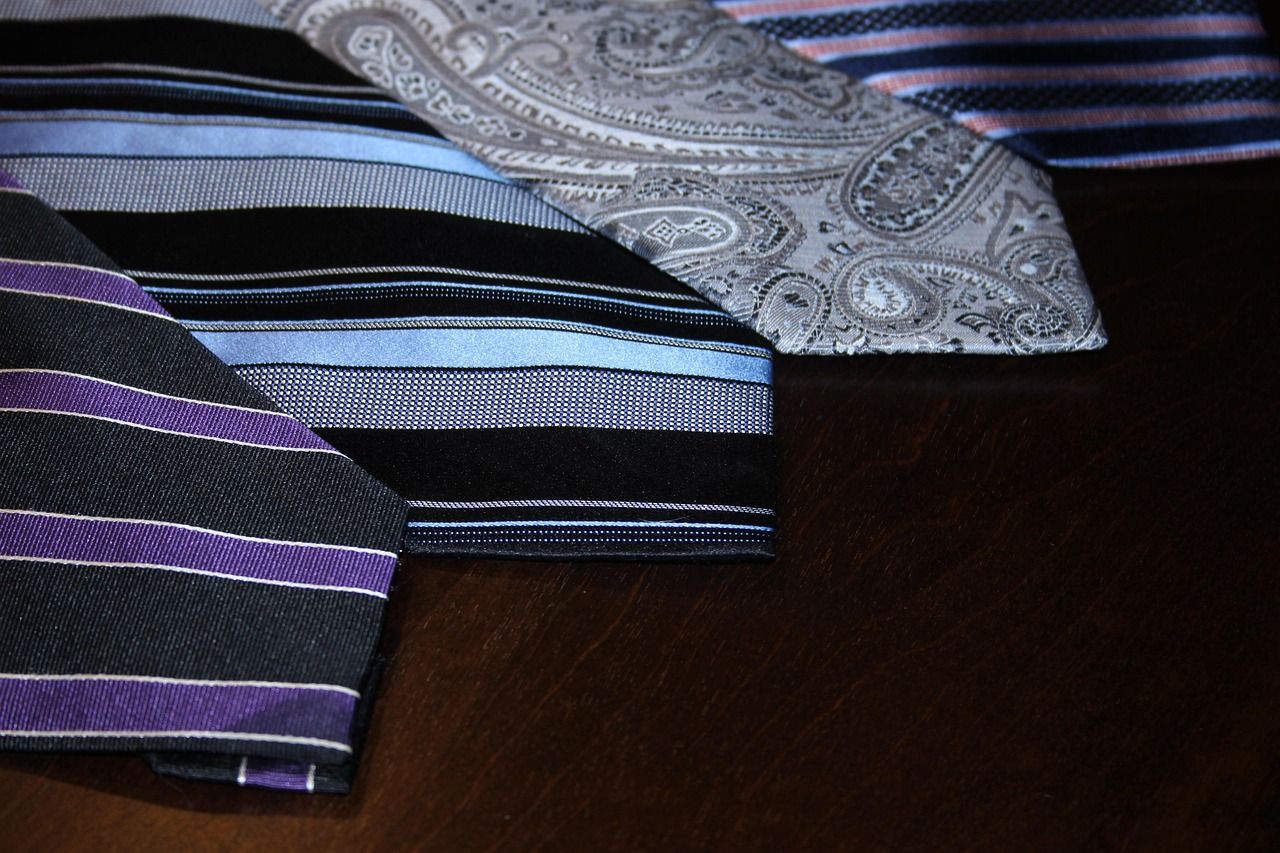
Mastering the Art: How to Wear a Tie with Confidence
Whether you are stepping into a corporate office in Gurgaon, attending a high-stakes interview in Bangalore, or dressing up for a cousin’s wedding in Mumbai, the ability to tie a necktie is a fundamental skill for any Indian man. A tie is more than just a piece of fabric around your neck; it is a symbol of professionalism, attention to detail, and personal style. For many, the process of tying a knot can feel intimidating, often leading to lopsided results or the dreaded clip-on alternative. However, mastering a few classic knots and understanding the nuances of coordination can transform your look from average to exceptional.
The Significance of the Tie in Indian Culture
In India, formal attire has evolved significantly. While traditional wear like the Kurta or Sherwani remains popular, the Western suit has become the standard for professional environments and formal receptions. The tie serves as the focal point of this attire. It draws the eye toward the face and creates a vertical line that can make the wearer look taller and more streamlined. Given our diverse climate and vibrant social scene, knowing how to choose and wear a tie correctly is essential for making the right impression.
Choosing the Right Tie for the Occasion
Before we dive into the knots, you must select the right tie. Not all ties are created equal, and your choice should depend on the setting and your outfit. In the Indian heat, fabric choice is paramount. While silk is the gold standard for its sheen and drape, linen or cotton blends are excellent choices for summer weddings or outdoor corporate events. They offer a more breathable alternative without sacrificing style.
Considering Width and Proportion
The width of your tie should generally match the width of your suit lapels. If you are wearing a modern, slim-fit suit with narrow lapels, choose a slim tie. If you are wearing a classic-cut suit with wider lapels, a standard 3-inch or 3.25-inch tie is more appropriate. For the average Indian build, a standard width tie is usually the safest and most versatile choice.
The Four-in-Hand Knot: The Beginner’s Essential
The Four-in-Hand is arguably the most popular tie knot in the world. It is easy to learn, versatile, and works well with almost any shirt collar. Because it is slightly asymmetrical and slender, it is perfect for casual or semi-formal settings.
- Step 1: Drape the tie around your neck. The wide end should be on your right and the narrow end on your left. The wide end should hang about 12 inches lower than the narrow end.
- Step 2: Cross the wide end over the narrow end.
- Step 3: Loop the wide end underneath the narrow end.
- Step 4: Bring the wide end back over the front of the narrow end from left to right.
- Step 5: Pull the wide end up through the neck loop from underneath.
- Step 6: Tuck the wide end down through the loop you just created in the front.
- Step 7: Tighten the knot by sliding it up toward your collar while holding the narrow end.
The beauty of the Four-in-Hand is its simplicity. It works exceptionally well with button-down collars and is the go-to knot for daily office wear in India.
The Half-Windsor Knot: The Versatile Professional
If you find the Four-in-Hand too small or casual, the Half-Windsor is your best friend. It is medium-sized, nearly symmetrical, and creates a neat triangular shape. It is professional enough for an important board meeting but not as bulky as the Full Windsor.
- Step 1: Start with the wide end on your right, hanging lower than the narrow end.
- Step 2: Cross the wide end over the narrow end.
- Step 3: Pass the wide end underneath the narrow end.
- Step 4: Bring the wide end up and over the neck loop, then pull it down through the loop.
- Step 5: Wrap the wide end across the front of the knot from right to left.
- Step 6: Pull the wide end up through the neck loop from underneath.
- Step 7: Push the wide end down through the loop in the front.
- Step 8: Adjust the knot to your collar.
This knot is particularly effective for medium-width collars and is a favorite for Indian weddings where you want a clean, structured look that lasts through hours of celebrations.
The Full Windsor Knot: The Power Statement
Named after the Duke of Windsor, this is a thick, wide, and triangular knot that exudes authority. It is the best choice for formal events, weddings, and when wearing a shirt with a wide-spread collar.
When to Wear the Full Windsor
Because this knot uses a lot of fabric, it is best suited for longer ties and spread collars. In an Indian corporate context, this is the 'Power Knot.' If you are the groom at a reception or the keynote speaker at a conference, the Full Windsor provides the necessary gravity to your appearance.
Crucial Rules for Wearing a Tie Correctly
Tying the knot is only half the battle. To truly look sharp, you must follow these universal rules of tie etiquette.
The Correct Length
The most common mistake men make is wearing a tie that is too long or too short. The tip of your tie should just reach the top of your belt buckle. If it hangs below the belt, it looks sloppy. If it sits mid-stomach, it looks like a school uniform. Getting the length right might take a few tries, but it is the difference between a novice and a professional.
The Importance of the Dimple
A well-dressed man always has a small indentation, or dimple, just below the knot. This adds texture and depth to the look. To achieve this, simply place your finger in the center of the tie as you tighten the knot, then pull it through. It gives the tie a sophisticated, finished appearance.
Color and Pattern Coordination
For Indian skin tones, which often have warm or olive undertones, certain colors work exceptionally well. Deep reds, maroons, navy blues, and forest greens are timeless classics. If you are wearing a patterned shirt, ensure the tie has a solid color or a much larger pattern to avoid a clashing visual mess. For a safe but stylish look, pair a solid light blue or white shirt with a navy patterned tie.
Accessorizing Your Tie
In the vibrant Indian fashion scene, accessories can elevate your tie game. A tie bar or tie clip serves a functional purpose by keeping your tie in place, especially during windy commutes or active wedding receptions. Ensure the tie bar is never wider than the tie itself. Additionally, a pocket square in a coordinating (but not matching) color can complete your ensemble.
Maintenance and Care
A good tie is an investment. Never wash a silk tie in a machine; always dry clean if necessary. After wearing your tie, always untie the knot by reversing the steps you took to tie it. Pulling the narrow end through the knot can stretch and ruin the fabric over time. Store your ties by rolling them loosely or hanging them on a dedicated tie rack to prevent permanent creases.
Conclusion
Learning how to wear a tie is a rite of passage for the modern gentleman. It is a skill that pays dividends in how you are perceived by others and how you feel about yourself. By mastering the Four-in-Hand for daily tasks, the Half-Windsor for professional settings, and the Full Windsor for grand occasions, you will be prepared for any event on your calendar. Remember, the secret to a great tie is not just the knot, but the confidence with which you wear it. Practice in front of a mirror, pay attention to the details of length and proportion, and you will always stand out in the best way possible.
How long should my tie be?
The tip of your tie should touch the top of your belt buckle. Any higher or lower will throw off your body proportions and look unpolished.
Can I wear a tie without a suit jacket?
Yes, wearing a tie with just a dress shirt and trousers is common in Indian offices. However, ensure the shirt is well-fitted and tucked in neatly to maintain a professional appearance.
What is the best tie knot for a job interview?
The Half-Windsor is generally considered the best choice for interviews. it is professional, symmetrical, and fits well with most standard collar types without being overly flashy.
Which tie fabric is best for the Indian climate?
While silk is traditional for formal events, linen and cotton-silk blends are excellent for the Indian heat as they are more breathable. For everyday office wear, high-quality microfiber ties are durable and resistant to sweat stains.


