

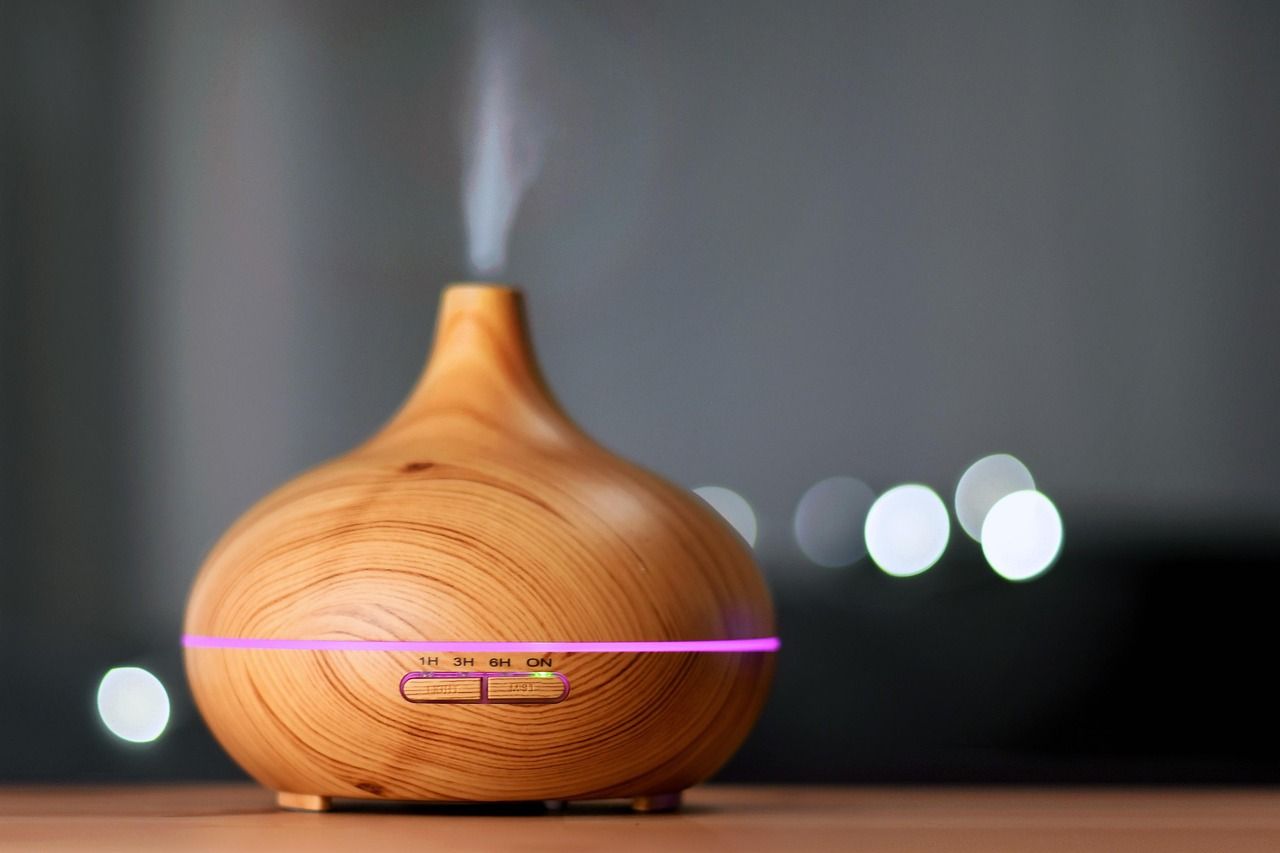
Keeping Your Air Pure: Why Sanitizing Your Humidifier Is Essential
In recent years, humidifiers have become a staple in many Indian households. Whether you are living in the dry heat of North India, dealing with the intense air pollution in Delhi during winters, or keeping the air comfortable in an air-conditioned bedroom in Mumbai, a humidifier helps you breathe better. However, there is a hidden side to these devices that many users overlook. If not maintained properly, your humidifier can quickly turn from a health aid into a source of indoor air pollution.
When you use a humidifier, it disperses moisture into the air. If the internal components are dirty, the machine effectively sprays bacteria, mold spores, and mineral dust directly into your living space. For families with children, elderly parents, or anyone suffering from asthma or allergies, this can lead to respiratory issues often referred to as humidifier fever. Learning how to sanitize a humidifier is not just about keeping the machine running; it is about protecting the health of your family. In this guide, we will walk through the specific steps to deep clean and sanitize your device using items easily found in any Indian kitchen.
The Difference Between Cleaning and Sanitizing
Before we dive into the process, it is important to understand that cleaning and sanitizing are two different tasks. Cleaning involves removing physical dirt, debris, and mineral deposits. In India, most of us use tap water or ground water which is often hard. This leads to a white crusty buildup known as scale or limescale. Sanitizing, on the other hand, involves killing the invisible microorganisms like bacteria and fungus that thrive in damp environments.
What You Will Need
- White vinegar (Commonly known as Sirka)
- Liquid bleach or 3 percent hydrogen peroxide
- A soft-bristled brush or an old toothbrush
- Clean, dry towels
- Water (Preferably RO water or distilled water)
- A pair of rubber gloves
Step-by-Step Guide to Sanitizing Your Humidifier
Follow these steps once a week to ensure your device remains in top condition and the air you breathe stays fresh.
Step 1: Unplug and Disassemble
Safety always comes first. Unplug the humidifier from the wall socket. Empty any remaining water from the tank and the base reservoir. Never let water sit in the tank when the device is not in use, as stagnant water is a magnet for mosquitoes and bacteria. Carefully take apart all the removable pieces, including the water tank, the mist nozzle, and the filter if your model has one.
Step 2: The Vinegar Soak (Descaling)
Mineral buildup is a major problem in Indian cities. To remove this, fill the water tank with a mixture of one cup of white vinegar and one cup of water. Let it sit for at least 30 to 45 minutes. The acidity of the vinegar will break down the hard water deposits. Pour some vinegar into the base reservoir as well, ensuring it reaches the areas where scale typically forms. Use your toothbrush to gently scrub the corners and the ultrasonic plate (the small metal disk found in many modern humidifiers).
Step 3: Sanitizing with Bleach or Peroxide
Once the minerals are gone, it is time to kill the germs. Note: Never mix vinegar and bleach as it creates toxic fumes. After the vinegar soak, rinse all parts thoroughly with plain water. Now, fill the tank with a fresh gallon of water and add one teaspoon of liquid bleach. Alternatively, you can use 3 percent hydrogen peroxide. Swish the solution around so the entire interior of the tank is coated. Let it sit for another 20 to 30 minutes. This step ensures that any mold or bacterial colonies are completely eradicated.
Step 4: Rinsing Thoroughly
This is perhaps the most critical step. You do not want to breathe in bleach or vinegar fumes. Rinse every component under running water multiple times. Continue rinsing until the sharp smell of bleach or vinegar has completely disappeared. If you can still smell the cleaning agents, keep rinsing.
Step 5: Drying and Reassembling
Wipe the exterior with a dry towel and lay all the internal parts out to air dry. It is best to let them dry completely before putting the machine back together. Moisture trapped in crevices can lead to immediate mold regrowth. Once dry, reassemble the unit and fill it with clean water.
Specific Tips for the Indian Context
Maintaining a humidifier in India comes with unique challenges due to our climate and water quality. Here are some expert tips to make the process easier.
Use RO Water Instead of Tap Water
Most Indian homes have an RO (Reverse Osmosis) water purifier. While manufacturers often recommend distilled water, it can be expensive and hard to find in local kirana stores. RO water is an excellent substitute because it removes a significant portion of the minerals that cause white dust and scaling. Avoid using direct tap water or borewell water, as the high TDS (Total Dissolved Solids) will clog your machine within days.
Watch Out for Monsoon Humidity
During the monsoon season in coastal cities like Mumbai or Chennai, the natural humidity is already high. Using a humidifier during this time might be unnecessary and could lead to damp walls and mold growth in your room. Use a hygrometer to check the humidity levels; if it is above 50 percent, give your humidifier a break and perform a deep sanitize before storing it away.
Clean the Filter Regularly
If your humidifier uses a wick or a filter, do not try to clean it with chemicals. Most filters are designed to be replaced. In polluted cities, these filters trap a lot of dust and particulate matter. Check the manufacturer's manual, but generally, in India, you should replace these filters every 2 months during peak usage season.
How Often Should You Sanitize?
While a deep sanitize with bleach is recommended once a week, you should perform basic maintenance daily. This includes emptying the tank, rinsing it with fresh water, and drying it out. If you notice a musty smell or see black spots (mold) or pinkish slime (bacteria), stop using the machine immediately and perform the full sanitization process described above.
Conclusion
A humidifier is a wonderful tool for improving sleep quality, hydrating skin, and easing respiratory discomfort during the dry months. However, the responsibility of owning one involves regular maintenance. By spending 30 minutes once a week to sanitize your humidifier, you ensure that the mist it produces is clean, healthy, and safe for your family. Remember to use RO water to extend the life of your device and always allow the parts to dry completely. With these simple steps, you can enjoy the benefits of balanced indoor humidity without any of the risks associated with dirty air.
Can I use Dettol to sanitize my humidifier?
It is generally not recommended to use Dettol or other phenolic cleaners inside a humidifier. These substances can leave residues that are harmful when aerosolized and breathed in. Stick to white vinegar for descaling and mild bleach or hydrogen peroxide for sanitizing, as these can be rinsed away completely.
Why is there a white powder on my furniture after using the humidifier?
This white powder is actually mineral dust from hard water. When the humidifier turns water into mist, the minerals in the water are also released into the air and settle on surfaces. To prevent this, use RO water or distilled water in your device.
Is it safe to run a humidifier 24/7?
While you can run it continuously, it is not always healthy. If the humidity in the room exceeds 50 to 60 percent, it can encourage the growth of dust mites and mold in your carpets and bedding. It is best to use a humidifier with a built-in humidistat or monitor the room with a separate hygrometer.
What happens if I forget to clean my humidifier for a month?
If left uncleaned for a month, a thick layer of biofilm or scale will likely form. This can damage the motor or the ultrasonic plate and, more importantly, can lead to the growth of harmful bacteria like Legionella. If you have neglected your machine, perform a double sanitization process before using it again.


