

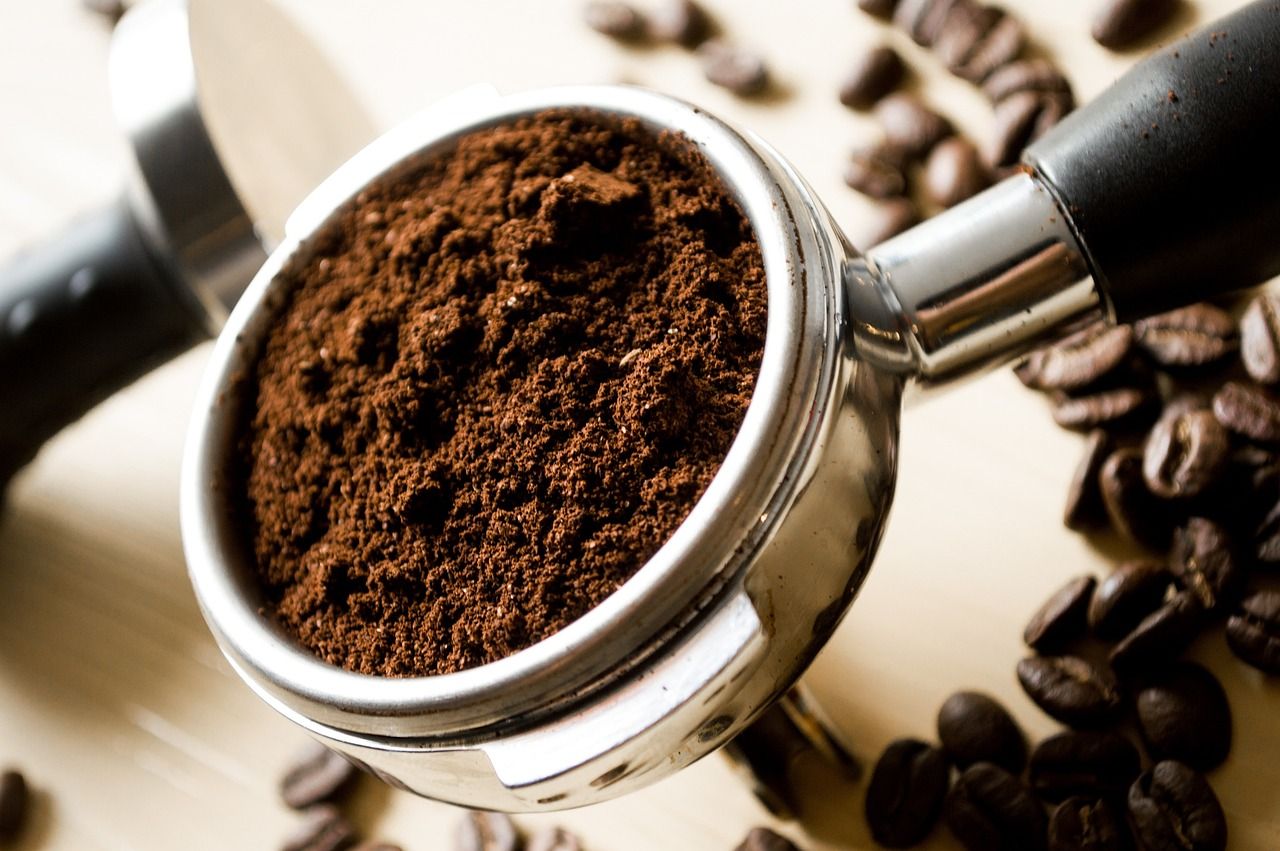
The Rise of Coffee Culture and the Waste Dilemma
The morning ritual of brewing a fresh cup of coffee has become a staple in many Indian households. From the traditional South Indian filter coffee to the modern French press and espresso machines found in urban kitchens, the love for ground coffee is surging. However, with this increasing consumption comes a significant amount of waste. Most of us simply rinse the filter and toss the damp, dark remains into the trash without a second thought. If you are a coffee lover, you are sitting on a goldmine of utility. Learning how to use coffee grounds effectively can transform your home gardening, your skincare routine, and even your kitchen cleaning habits.
Used coffee grounds are far more than just organic waste. They are packed with nitrogen, antioxidants, and abrasive properties that make them useful in dozens of ways. In a country like India, where we have a deep-rooted tradition of 'jugaad' and repurposing items to get the maximum value, throwing away coffee grounds feels like a missed opportunity. This guide explores the most practical and effective ways to give your coffee leftovers a second life, specifically tailored for the Indian lifestyle and environment.
Transform Your Garden with Coffee Grounds
Gardening is perhaps the most popular way to recycle coffee grounds. Whether you have a sprawling backyard or a small balcony garden with potted plants in a high-rise apartment, coffee grounds can provide your greenery with a much-needed boost.
1. Natural Nitrogen-Rich Fertilizer
Coffee grounds are an excellent source of nitrogen, which is one of the three essential macronutrients for plant growth. While they are slightly acidic when fresh, used coffee grounds are nearly neutral in pH, making them safe for most plants. In India, where many gardeners struggle with depleted soil quality in urban settings, sprinkling grounds directly onto the soil can improve soil structure over time. They help with water retention and aeration, ensuring your plants stay hydrated during the harsh summer months.
2. A Treat for Acid-Loving Plants
While used grounds are mostly neutral, they still provide a slight acidity that certain Indian favorites thrive on. If you grow Roses (Gulab), Hibiscus, or Jasmine (Mogra), these plants will appreciate a light topping of coffee grounds once a month. The nutrients help in producing more vibrant blooms and stronger stems. Simply work a handful of grounds into the top two inches of soil around the base of the plant and water as usual.
3. Speed Up Your Compost Pile
If you maintain a home composting bin to manage your kitchen waste, coffee grounds are a perfect 'green' or nitrogen-rich material. They help balance the 'brown' materials like dry leaves and cardboard. The heat generated during the decomposition of coffee grounds helps kill weed seeds and pathogens, resulting in a rich, dark compost that is perfect for organic farming at home.
4. Repelling Common Pests
Ants and snails can be a nuisance in Indian gardens. The strong scent and the abrasive texture of dried coffee grounds act as a natural deterrent. By creating a barrier of coffee grounds around sensitive plants, you can discourage pests from crossing over. It is a non-toxic alternative to chemical pesticides, making it safer for households with pets or young children.
DIY Skincare and Beauty Secrets
The beauty industry has long recognized the benefits of caffeine and antioxidants, often charging a premium for coffee-infused products. You can skip the expensive store-bought tubs and create your own high-quality skincare at home using your daily leftovers.
5. Natural Body Scrub for Glowing Skin
One of the best ways to use coffee grounds is as a physical exfoliant. The coarse texture helps remove dead skin cells and improve circulation. For a simple Indian DIY recipe, mix half a cup of dried coffee grounds with two tablespoons of virgin coconut oil or almond oil. Gently massage this over your skin during your shower. This is particularly effective for smoothing rough areas like elbows and knees, leaving your skin feeling soft and hydrated.
6. Reducing the Appearance of Dark Circles
Caffeine has vasoconstrictive properties, meaning it can help shrink blood vessels. In India, many of us face dark circles due to stress or lack of sleep. To treat this, mix a teaspoon of fine coffee grounds with a bit of honey or aloe vera gel to form a paste. Apply it carefully under the eyes for ten minutes before rinsing. Regular application can help reduce puffiness and brighten the under-eye area naturally.
7. Scalp Exfoliation and Hair Health
Just as your face needs exfoliation, your scalp can suffer from product buildup and dandruff. Massaging coffee grounds into your scalp before shampooing can help remove dead skin and stimulate hair follicles. Some believe the caffeine can even help promote hair growth. However, if you have very light-colored or chemically treated hair, be cautious as coffee can slightly stain hair fibers over time.
Household Cleaning and Odor Neutralization
Coffee grounds have a unique chemical structure that allows them to absorb odors and scrub away stubborn grime, making them a versatile tool for Indian kitchens.
8. Deodorizing the Refrigerator
Strong smells from onions, garlic, or fermented foods like idli batter can sometimes linger in the fridge. Instead of using chemical fresheners, place a bowl of dried coffee grounds on the middle shelf. The nitrogen in the coffee reacts with sulfur in the air, effectively neutralizing odors rather than just masking them. Replace the grounds every two weeks for the best results.
9. Cleaning Greasy Cookware
Indian cooking often involves oils and spices that can leave a stubborn residue on kadhais and pans. The abrasive nature of coffee grounds makes them an excellent scouring agent. Sprinkle some grounds onto a greasy pan, add a drop of dish soap, and scrub with a sponge. The grounds will help break down the burnt-on bits without scratching the metal surfaces as harshly as steel wool might.
10. Eliminating Hand Odors
After chopping onions, garlic, or cleaning fish, the smell can stay on your hands for hours regardless of how much soap you use. Rubbing a small amount of damp coffee grounds between your palms before washing with soap will instantly neutralize those pungent kitchen smells.
11. Natural Furniture Polishing
If you have dark wood furniture that has developed small scratches or scuffs, coffee grounds can act as a natural stain. Mix damp grounds with a little water to create a thick paste, then dab it onto the scratch using a cotton swab. Let it sit for a few minutes and wipe away. The dark pigment of the coffee helps hide the scratch, blending it back into the wood’s natural finish.
Safety and Practical Tips for Using Coffee Grounds
While coffee grounds are incredibly useful, there are a few things to keep in mind to ensure you get the best results without any negative side effects.
Always Dry Your Grounds First
If you plan to store coffee grounds for later use, especially for skincare or as a dry fertilizer, you must dry them thoroughly. Damp grounds can develop mold within 24 to 48 hours in India’s humid climate. Spread them out on a flat tray and leave them under the sun or in a dry spot until they are completely moisture-free before storing them in an airtight container.
Don’t Overdo It in the Garden
While coffee grounds are good for plants, adding too much at once can create a water-resistant layer on top of the soil. Always mix them into the soil or add them to your compost pile rather than just dumping a thick layer on top. This ensures that water and air can still reach the roots of your plants.
Avoid Clogging Your Drains
When using coffee grounds for cleaning or skincare in the shower, be mindful of your plumbing. While a small amount is usually fine, large quantities of coffee grounds can settle in the U-bend of your pipes and lead to clogs over time. If you use them as a body scrub, try to use a drain hair catcher or rinse with plenty of hot water to ensure the grounds clear the pipes.
A Sustainable Step Forward
Finding new ways for how to use coffee grounds is a small but impactful step toward a zero-waste lifestyle. In India, as we become more conscious of our environmental footprint, these simple home remedies allow us to reduce waste while saving money on commercial products. Whether you are nurturing a kitchen garden, pampering your skin, or keeping your home smelling fresh, that bowl of used coffee grounds is a resource that shouldn't be wasted. Start collecting your grounds today and experiment with these tips to see which ones work best for your lifestyle. Every cup of coffee you brew can now serve two purposes, making your daily habit twice as rewarding.
Can I use coffee grounds for all types of plants?
Most plants benefit from coffee grounds, especially those that prefer slightly acidic soil like roses, tomatoes, and blueberries. However, avoid using them on very young seedlings or plants that prefer alkaline soil, as the caffeine and texture might hinder their early growth stages.
Do coffee grounds attract pests or insects into the house?
Actually, coffee grounds often act as a repellent for many common household pests like ants and certain types of beetles due to their strong aroma. However, if left damp and exposed, they can attract mold, so it is important to dry them properly if you are using them indoors for deodorizing.
How long can I store used coffee grounds?
If properly dried in the sun and stored in an airtight container, coffee grounds can last for several months. If they show any signs of mold or a sour smell, they should be discarded immediately into the compost bin and not used for skincare or household cleaning.
Is it safe to use coffee grounds on my face every day?
While coffee is a great exfoliant, using it daily on the sensitive skin of your face might be too abrasive. It is best to limit coffee-based facial scrubs to once or twice a week to avoid irritation and allow your skin's natural barrier to recover.


