

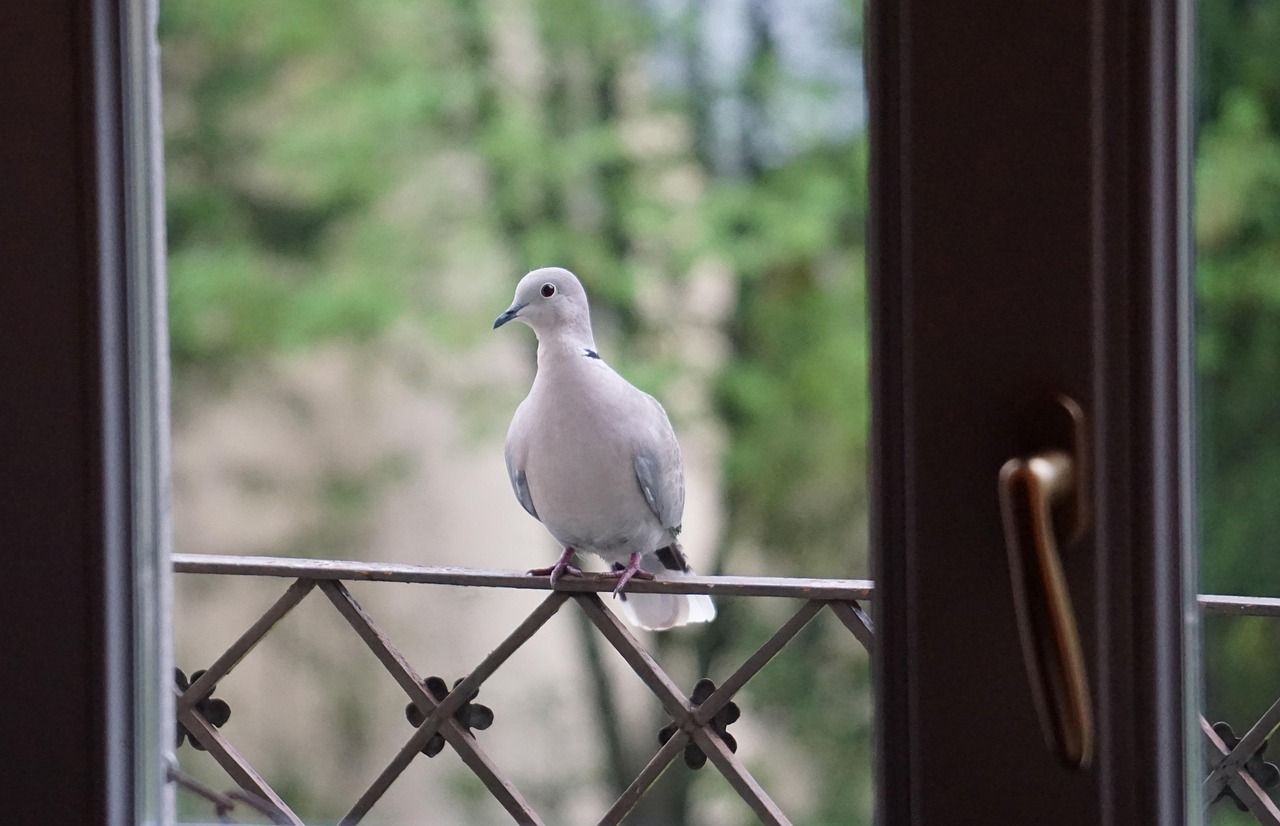
Introduction to Inviting Avian Friends
In the busy streets of Indian cities like Delhi, Mumbai, or Bangalore, the sweet chirping of birds often gets drowned out by the constant hum of traffic and construction. Many of us grew up in homes where house sparrows were a common sight in the courtyard, yet today, those tiny visitors seem to have vanished. If you are wondering how to bring a birds back into your daily life, you are not alone. Whether you live in a high-rise apartment with a small balcony or an independent house with a sprawling garden, creating a sanctuary for birds is entirely possible with a little effort and patience.
Bringing birds to your home is not just about aesthetics or nature photography. It is about restoring a small piece of the ecosystem and finding a sense of peace in our hectic lives. Watching a sunbird sip nectar or a group of mynas chatter on your railing can be a meditative experience. This guide will walk you through the practical steps tailored for the Indian climate and urban landscape to transform your space into a bird-friendly haven.
Identify Your Local Visitors
Before you set out to attract birds, it is helpful to know who is living in your neighborhood. In India, the species you see will vary depending on your region and the time of year. Common urban birds include the House Sparrow, the Common Myna, the Rose-ringed Parakeet, the Red-vented Bulbul, and various types of Sunbirds. Occasionally, you might even spot an Oriental Magpie-Robin or a Tailorbird.
Understanding their habits is the first step in learning how to bring a birds to your balcony. For instance, sparrows love small grains and nesting in crannies, while sunbirds are attracted to flowering plants with nectar. Tailorbirds look for large leaves they can stitch together. By observing the birds that fly over your house, you can customize your setup to meet their specific needs.
The Essential Trio: Food, Water, and Shelter
Providing the Right Food
Food is the most effective way to start the process of how to bring a birds to your space. In India, you do not need expensive imported birdseed. You can find everything you need at your local kirana store. Small grains like bajra (pearl millet), jowar (sorghum), and kangni (foxtail millet) are favorites among sparrows and finches. Broken rice and pulses also work well for larger birds like pigeons and mynas.
If you want to attract parakeets, offering seasonal fruits like guava, papaya, or even chilies can be very effective. However, avoid giving birds processed human food like biscuits, bread, or salty snacks. These items can be harmful to their digestive systems and do not provide the nutrition they need for long flights and breeding. Use a stable bird feeder that keeps the grain dry during the monsoon and change the food regularly to prevent mold.
The Importance of Water
Water is often more attractive to birds than food, especially during the harsh Indian summers when natural water sources dry up. A simple terracotta bowl, known locally as a sakora, is the best vessel for this purpose. The porous nature of the clay keeps the water relatively cool even in direct sunlight. Place the water bowl in a shaded area and ensure it is not too deep; birds need shallow water to drink and bathe without the risk of drowning.
Cleanliness is non-negotiable. Change the water daily to prevent the buildup of algae and to ensure it does not become a breeding ground for mosquitoes. A bird bath is a magnet for bulbuls and mynas, who love a good splash in the afternoon. Once a few birds start using your water station, others will follow their lead, helping you solve the mystery of how to bring a birds to your terrace consistently.
Creating a Safe Shelter
Birds will only visit and stay if they feel safe from predators like cats or large crows. If you have a garden, planting native trees and shrubs is the best long-term strategy. If you have a balcony, you can use hanging pots and dense creepers. Nesting boxes are also a great addition, especially for sparrows. Ensure the nesting box is placed at a height where it is unreachable by stray cats and is sheltered from the direct afternoon sun and heavy rain.
Plants That Attract Birds in India
The green cover in your home plays a massive role in how to bring a birds to your doorstep. Native Indian plants are far more effective than exotic ornamental species because they provide familiar food and nesting materials. Sunbirds are particularly fond of Hibiscus, Canna lilies, and the Firebush (Hamelia patens). These plants produce nectar-rich flowers that act as a natural buffet for these tiny, vibrant birds.
Consider planting a Curry Leaf plant or a Neem tree if space permits. These plants attract insects, which in turn attract insectivorous birds like the Oriental Magpie-Robin and Tailorbirds. If you have a balcony, Bougainvillea provides a dense, thorny cover that makes smaller birds feel secure. The key is to create layers of greenery—some tall plants, some shrubs, and some ground cover—to mimic a natural habitat.
Overcoming Common Challenges
One of the biggest hurdles in how to bring a birds to an urban Indian home is the pigeon population. While pigeons are birds too, their large numbers can sometimes drive away smaller, more colorful species and create a mess with their droppings. To manage this, use feeders with small openings that only allow sparrows and finches to enter. Avoid scattering food on the floor, as this is an open invitation for pigeons and rodents.
Another challenge is the presence of predatory birds like Crows and Black Kites. While you cannot stop them from flying by, providing dense foliage and well-placed nesting boxes gives smaller birds a place to hide. Finally, be mindful of glass windows. Birds often cannot see glass and might fly into it. Placing stickers or hanging plants in front of large glass panes can prevent these fatal accidents.
The Virtue of Patience
It is important to understand that birds are creatures of habit. They will not appear the moment you hang a feeder. It may take days, weeks, or even a month for the local bird population to notice your offerings and realize that your home is a safe place. Consistency is key. If you fill the feeder one day and leave it empty for a week, the birds will lose trust and stop coming.
Keep your setup clean and your presence unobtrusive. Initially, watch them from behind a curtain or from a distance. As they get used to your environment, they will become bolder, eventually allowing you to sit nearby while they go about their business. This gradual building of trust is the most rewarding part of learning how to bring a birds to your residence.
Conclusion
Bringing birds to your home in India is a journey that connects you with the rhythm of nature. By providing the basics of food, water, and shelter, and by choosing native plants that support the local ecosystem, you can create a sanctuary that benefits both the birds and your own well-being. It requires very little financial investment but a good amount of care and consistency. Start today with a simple clay bowl of water and a handful of grain, and soon you will find your home filled with the life and music of our feathered friends.
How long does it take for birds to start visiting a new feeder?
It usually takes anywhere from two weeks to a month for birds to discover and trust a new food source. Consistency is vital; if you keep the feeder stocked daily, they will eventually make it a part of their routine.
What is the best grain to attract house sparrows in India?
Small grains like bajra (pearl millet) and kangni (foxtail millet) are the favorites of house sparrows. These grains are easy for them to hull and eat, making them the most effective choice for attracting these tiny birds.
Where is the best place to put a bird bath in an Indian apartment?
Place the bird bath in a shaded corner of your balcony or terrace, away from high-traffic areas. It should be at a height where cats cannot easily reach it, and near some plants so birds have a place to retreat and dry their feathers after bathing.
Can I feed birds leftover cooked rice?
Yes, plain boiled rice is acceptable for many birds like mynas and crows. However, ensure the rice does not contain salt, oil, or spices, as these can be harmful to their health over time. Fresh grains are always a better long-term option.


