

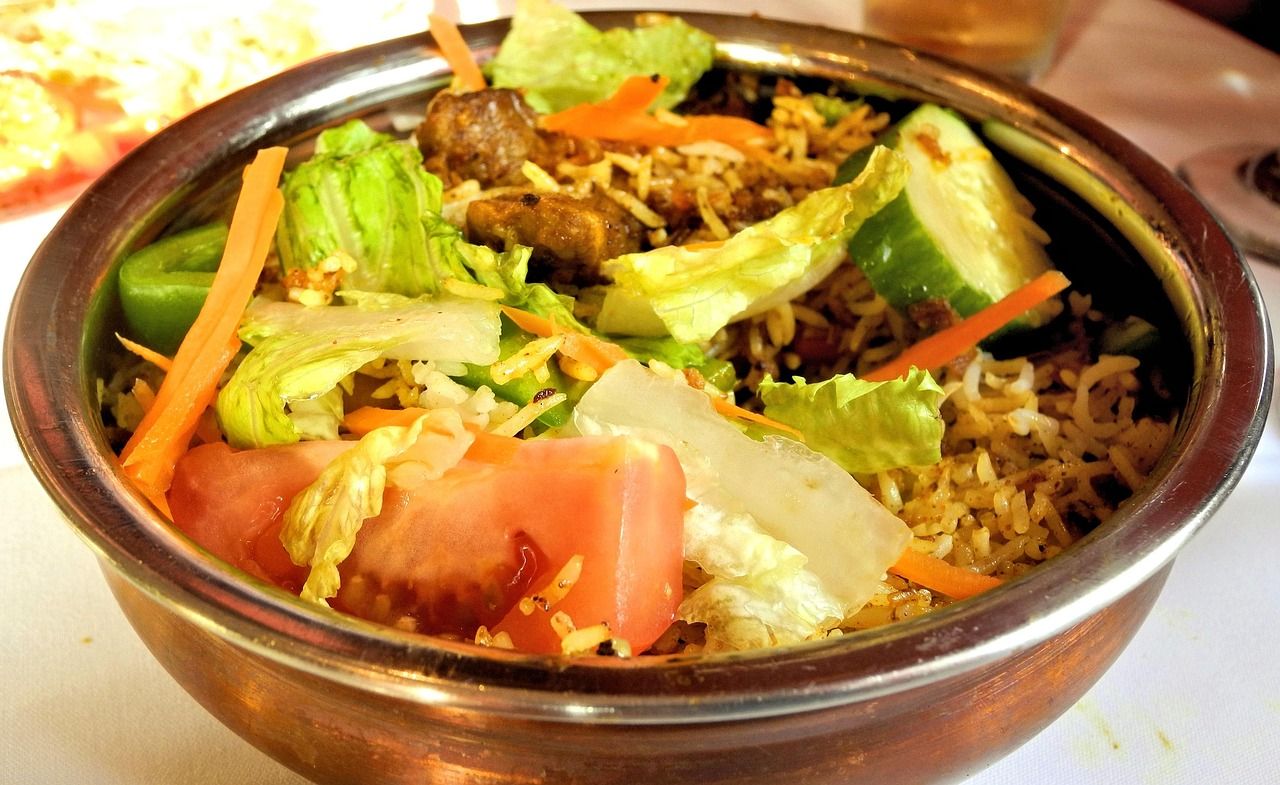
Mastering the Art of Lamb in the Indian Kitchen
Cooking lamb is often seen as a benchmark for culinary skill in many Indian households. Whether it is a Sunday lunch or a festive gathering, the ability to transform a tough cut of meat into a melt-in-the-mouth delicacy is a craft passed down through generations. If you have ever wondered how to cook lamb like a professional chef or your favorite local dhaba, you are not alone. The secret does not just lie in the spices, but in the technique, the patience, and the understanding of the meat itself.
In India, we often use the terms lamb and mutton interchangeably, though they technically refer to animals of different ages. Regardless of the label, the principles of achieving that perfect texture and deep, infused flavor remain the same. This guide will walk you through every step of the process, from selecting the right cut at the butcher shop to the final tempering that brings the dish to life. By the end of this post, you will know exactly how to cook lamb like a master of the craft.
Choosing the Right Cut for Your Dish
The first step in learning how to cook lamb like a professional is understanding that not all meat is created equal. Different parts of the animal require different cooking times and methods. If you are making a rich, gravy-based curry like a Rogan Josh, you should opt for the shoulder or the neck. These cuts have a good amount of connective tissue and fat, which break down during slow cooking to create a thick, luscious sauce and tender meat.
For those looking to make dry starters or kebabs, the leg or the loin is often preferred as they are leaner. However, in the Indian context, bone-in meat is almost always superior. The marrow inside the bones releases incredible depth into the gravy as it simmers, providing a richness that boneless meat simply cannot replicate. When you visit your local butcher, ask for a mix of raan (leg) and chaamp (ribs) to get a variety of textures in your final dish.
The Importance of Preparation and Cleaning
Before the heat even touches the pan, how you handle the meat matters. Many Indian home cooks prefer to wash the meat with a bit of turmeric and salt or a splash of vinegar. While some modern culinary schools advise against washing meat to prevent cross-contamination, the traditional Indian method helps in removing any stray bone fragments and reduces the gamey smell that lamb can sometimes have. After rinsing, ensure you pat the meat dry. Excess water will prevent the meat from searing properly, leading to steaming rather than browning.
The Magic of Marination
If you want to know how to cook lamb like a seasoned expert, you must master the marinade. Lamb is a robust meat that can stand up to strong flavors. A good marinade serves two purposes: it flavors the meat deeply and acts as a tenderizer. For Indian recipes, a base of thick yogurt (curd) is essential. The lactic acid in the yogurt gently breaks down the muscle fibers over time.
To this base, add ginger-garlic paste, turmeric, red chili powder, and a touch of salt. For particularly tough cuts, many Indian cooks use raw papaya paste. Raw papaya contains an enzyme called papain, which is a powerful natural tenderizer. Use it sparingly, however, as too much can turn the meat mushy. Ideally, lamb should be marinated for at least four hours, or better yet, overnight in the refrigerator. This allows the spices to penetrate deep into the core of the meat pieces.
Mastering the Bhuna Technique
The term bhuna refers to the process of sautéing or frying spices and meat over medium to high heat until the water evaporates and the oil separates. This is perhaps the most critical stage if you want to cook lamb like a traditional Indian chef. Once your oil or ghee is hot and your whole spices (cinnamon, cardamom, cloves) have sputtered, add your onions. These must be fried until they are a deep golden brown, almost the color of chocolate, but without burning them.
Add your marinated lamb and begin the bhuna process. You will notice the meat releasing its juices. Continue to stir and cook until those juices dry up and you see the oil glistening on the sides of the pot. This step caramelizes the natural sugars in the meat and the onions, creating a foundation of flavor that no amount of pressure cooking can achieve on its own. If the spices start sticking to the bottom, splash a little warm water and keep scraping; this is where the color and the soul of the curry come from.
Pressure Cooking vs Slow Cooking
In most Indian households, the pressure cooker is the king of the kitchen. It is efficient and fast, making lamb accessible for a weeknight dinner. To cook lamb like a pro in a pressure cooker, the rule of thumb is usually 4 to 5 whistles on medium heat, followed by a period of natural pressure release. However, if time permits, slow cooking in a heavy-bottomed pot or a handi will always yield superior results. Slow cooking allows the fat to render slowly and the collagen to turn into gelatin, resulting in a buttery texture that is the hallmark of high-end restaurant dishes.
The Role of Fats and Liquids
To get that restaurant-style finish, do not be afraid of fat. Using a mix of oil and ghee provides a high smoke point and a rich, nutty aroma. The amount of liquid you add also dictates the final result. Always use hot water when adding liquid to your lamb. Adding cold water shocks the meat, making the proteins contract and turn tough. Add just enough water to cover the meat if you want a thick bhuna masala, or more if you are aiming for a thin, soulful shorba.
Finishing with Aromatics
The final five minutes of cooking are what separate a good dish from a great one. Once the meat is tender, taste for salt. This is the time to add a sprinkle of high-quality garam masala. Many people make the mistake of adding garam masala at the beginning, but its volatile oils evaporate quickly. Adding it at the end preserves the aroma. A handful of freshly chopped coriander leaves and a slit green chili can add a burst of freshness that cuts through the richness of the meat.
The Secret of Resting
One of the most overlooked steps in how to cook lamb like an expert is the resting period. When you turn off the heat, the internal temperature of the meat is still very high. If you serve it immediately, the juices will run out, and the meat may feel slightly dry. Let the pot sit, covered, for at least 15 to 20 minutes before serving. This allows the fibers to relax and reabsorb the flavorful gravy, ensuring every bite is succulent.
Conclusion
Learning how to cook lamb like a professional is a journey of patience and practice. It starts with selecting the right cut, respecting the marination process, and mastering the intense frying of the bhuna stage. Whether you choose the speed of a pressure cooker or the soul of a slow-simmered handi, the key is to balance your spices and give the meat the time it deserves. With these techniques in your arsenal, your home-cooked lamb will soon be the talk of the dining table, rivaling any restaurant or traditional feast.
How long does it take to cook lamb until it is tender?
In a pressure cooker, lamb typically takes about 15 to 20 minutes (roughly 4-6 whistles) after the initial sautéing. If you are slow-cooking in a regular pot, it can take anywhere from 60 to 90 minutes depending on the age of the meat and the cut used.
Why is my lamb always tough after cooking?
Lamb usually turns out tough if it hasn't been cooked long enough, or if it was cooked on too high a heat without enough moisture. Additionally, adding cold water to the pot mid-cooking or failing to use a tenderizer like yogurt or papaya for older meat can result in a chewy texture.
What is the best cut of lamb for an Indian curry?
The shoulder (shaan) is widely considered the best cut for Indian curries because it has the perfect fat-to-meat ratio. The leg is also popular but can be slightly leaner, so it requires careful monitoring to ensure it does not dry out.
Do I really need to marinate the lamb?
While you can cook lamb without marinating, it is highly recommended for Indian dishes. Marination helps the spices reach the center of the meat and ensures the final dish is flavorful throughout rather than just on the surface.
Can I use frozen lamb for Indian recipes?
Yes, you can use frozen lamb, but it must be completely thawed in the refrigerator before cooking. If you try to cook partially frozen meat, it will cook unevenly, and the texture will likely be rubbery.


