

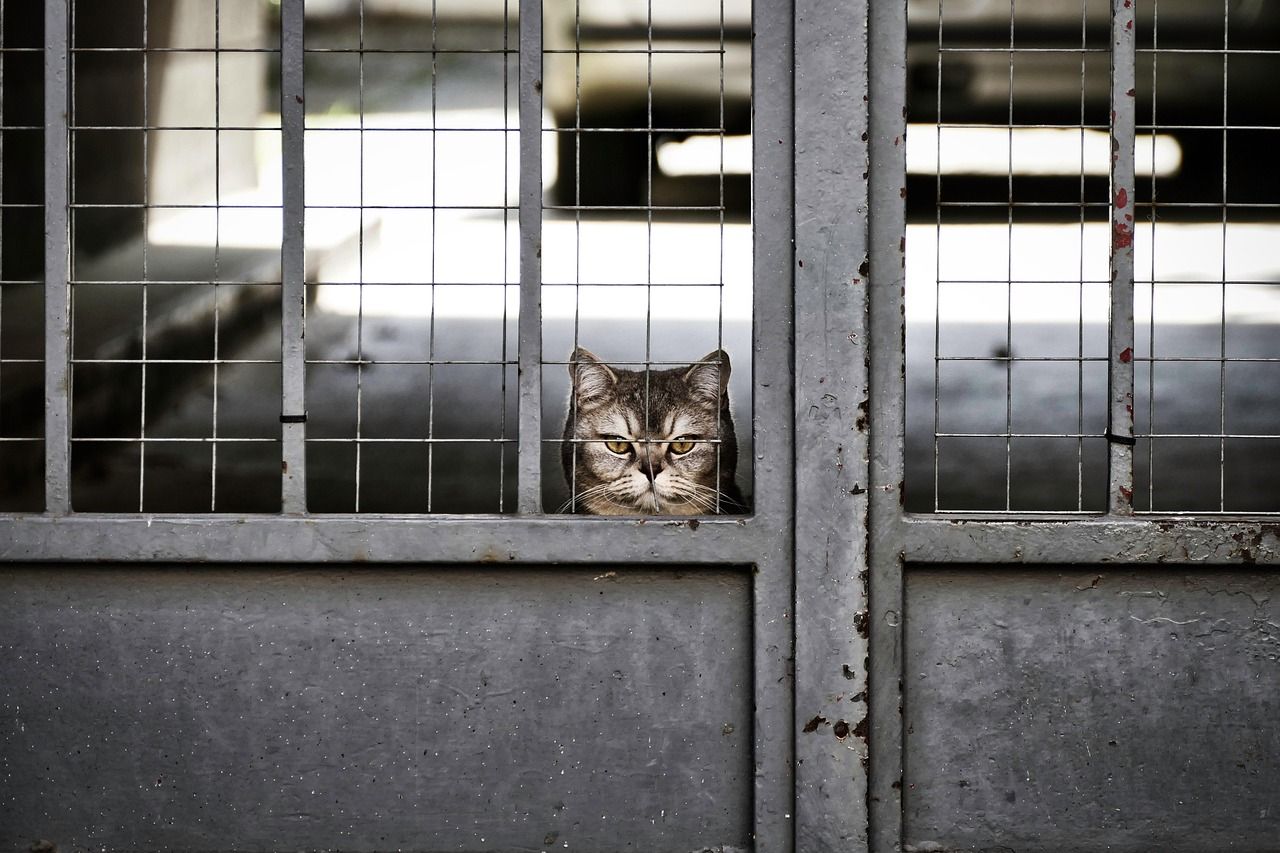
The Art of Waiting in the Indian Context
Waiting is an inevitable part of life in India. Whether you are standing in a serpentine queue at a government office, sitting in a stalled car on the Western Express Highway, or waiting for your turn at a crowded local clinic, time often feels like it has come to a standstill. The challenge is not the waiting itself, but the emotional toll it takes. Most people ask how to wait without getting frustrated, bored, or anxious. In a world that demands instant gratification, the ability to wait gracefully is a superpower.
In our fast-paced urban environments, we have been conditioned to expect everything at the click of a button. When reality does not match this digital speed, our stress levels spike. However, waiting does not have to be a void of lost time. It can be transformed into a productive, reflective, or even relaxing interval if you have the right mindset and tools. This guide explores practical strategies tailored for the Indian reader to reclaim those lost hours.
Understanding the Psychology of Waiting
Before diving into the solutions, it is important to understand why waiting feels so painful. Psychologists suggest that occupied time feels shorter than unoccupied time. Furthermore, uncertain waits feel longer than known waits. When you do not know why the train is delayed or how long the bank officer will take for lunch, your brain enters a state of high alert. This is where the feeling of getting irritated begins.
To counter this, the first step is acceptance. In India, factors like traffic, bureaucracy, and large populations are structural realities. Resisting them only increases internal friction. By accepting that waiting is a part of the process, you lower your baseline stress level. This mental shift allows you to move from a state of irritation to a state of preparation.
Practical Ways to Use Your Waiting Time
Micro-Learning and Personal Growth
One of the best ways to wait without getting bored is to treat the interval as a micro-classroom. With affordable data plans and a smartphone, you have access to the world’s knowledge. Instead of mindlessly scrolling through social media feeds that leave you feeling drained, choose intentional learning.
- Podcasts: Carry a pair of noise-canceling earphones. Listening to a 20-minute podcast on finance, history, or self-improvement can turn a commute into a productive session.
- Language Apps: Spend ten minutes on apps learning a few words of a new language. Even five minutes of practice every day while waiting for the bus adds up over a year.
- Read an E-book: Always have a book or a long-form article saved on your phone. Reading deepens focus, unlike the fragmented attention required by social media videos.
Digital Housekeeping
We all have digital clutter that we promise to clean 'when we have time.' Waiting provides that time. You can use these moments to organize your digital life, which reduces future stress.
- Clear Your Inbox: Go through your promotional emails and unsubscribe from newsletters you no longer read. Delete old OTP messages and spam.
- Organize Photos: We take hundreds of photos that we never look at. Use waiting time to delete duplicates or blurry shots, freeing up space on your phone.
- Update Your To-Do List: Plan your next day or your next meal. Writing down tasks clears mental space and makes you feel more in control of your schedule.
Staying Mindful and Present
Sometimes, the best way to wait without getting anxious is to do nothing at all—but to do it mindfully. In the rush of Indian city life, we rarely get a moment to just sit with our thoughts. Waiting can be a forced meditation.
The Power of Observation
Indian streets and public spaces are vibrant and full of stories. Instead of looking at your screen, look at the world around you. Observe the architecture, the way people interact, or the small details of local commerce. This practice, often called 'people watching,' can be incredibly grounding. it fosters empathy and keeps your mind engaged with the physical world rather than a digital void.
Breathing Exercises
If you find your frustration rising while waiting in a hot, crowded space, focus on your breath. Simple techniques like box breathing (inhale for four counts, hold for four, exhale for four, hold for four) can physically calm your nervous system. This prevents the 'fight or flight' response that often accompanies long waits in uncomfortable conditions.
Navigating Common Indian Waiting Scenarios
Stuck in Traffic
Traffic is perhaps the most common waiting scenario in India. To wait without getting angry, curate a 'Traffic Playlist' or a list of audiobooks. Ensure your car or bag is stocked with water and a small healthy snack. Hunger often exacerbates irritability. If you are in a cab, this is the perfect time to make those long-overdue phone calls to parents or old friends.
At the Doctor or Government Office
These waits are often the most uncertain. The key here is physical comfort and preparation. Always carry a small power bank, a physical book, or even a small notepad. Writing down your thoughts or sketching can be very therapeutic. If the environment is noisy, use earplugs or calming instrumental music to create a personal bubble of peace.
The Railway Station or Airport
Longer delays are common in travel. Instead of sitting in the same spot, take a walk. Walking improves circulation and keeps you from feeling stagnant. Most major Indian stations and airports now have decent amenities; use the time to explore a bookstall or find a quiet corner for a focused task like writing a report or a journal entry.
The Philosophy of the Gap
In many cultures, the space between actions is seen as wasted. However, there is a growing movement that views these 'gaps' as essential for creativity. When your brain is not constantly stimulated by tasks or entertainment, it enters the 'Default Mode Network.' This is when your most creative ideas often surface. Some of the best solutions to work problems or personal dilemmas come when you are simply standing in a queue with nothing to do. By learning how to wait without getting distracted, you allow your brain the space it needs to think deeply.
Conclusion
Waiting is not a loss of time; it is a change in the pace of time. Whether you choose to be productive by clearing your emails, or choose to be mindful by observing your surroundings, the power lies in your choice. For an Indian reader navigating a busy, often unpredictable environment, mastering the art of waiting is essential for mental peace. Next time you find yourself stuck in a long line or a traffic jam, don't view it as an obstacle. View it as a small, unexpected gift of time in an otherwise hectic day. By changing your perspective, you can wait without getting frustrated and turn every idle moment into an opportunity for growth or rest.
How can I stay calm when a train or flight is delayed for hours?
The key is to move from a reactive state to a proactive one. Once you have the information about the delay, stop checking the clock every minute. Find a comfortable spot, use noise-canceling headphones, and engage in a long-form activity like watching a movie, reading a book, or finishing a work project. Physical movement, such as walking around the terminal, also helps reduce restlessness.
What are some productive things to do while waiting that don't involve a phone?
If you want to stay off your screen, you can carry a small pocket diary for journaling or sketching. You can also practice mindfulness or 'people watching' to improve your observational skills. Another great option is to carry a physical book or use the time for mental planning, such as visualizing your goals or mentally rehearsing an upcoming conversation.
Why do I get so angry when I have to wait in a queue?
Waiting often triggers a feeling of a loss of control. In a queue, you are at the mercy of others' pace, which can feel frustrating. To counter this, focus on the things you can control, such as your breathing or what you choose to think about. Remind yourself that everyone in the line is in the same situation, which can help shift your perspective from irritation to collective patience.


