

The Secret to a Pristine Home in the Heart of India
Keeping a home clean in India is a unique challenge. Between the fine dust that blows in from the streets, the high humidity of the monsoon season, and the heavy use of oil and spices in our kitchens, maintaining a spotless environment can feel like a full-time job. Many of us spend hours every weekend scrubbing, yet the results never quite look like those professional home reveals we see online. This is because standard cleaning often misses the strategic shortcuts and industrial techniques used by the experts. In this guide, cleaning pros reveal how to transform your living space using methods that work specifically for the Indian climate and lifestyle.
The War on Dust: Why Your Current Method Might Be Failing
In most Indian households, the go-to cleaning tool is an old cotton t-shirt or a traditional duster. While this might seem eco-friendly, cleaning pros reveal how to actually manage dust rather than just moving it around. Old cotton rags tend to spread fine particles across surfaces, which then settle back down minutes later. The pros suggest switching entirely to high-quality microfiber cloths.
The Science of Microfiber
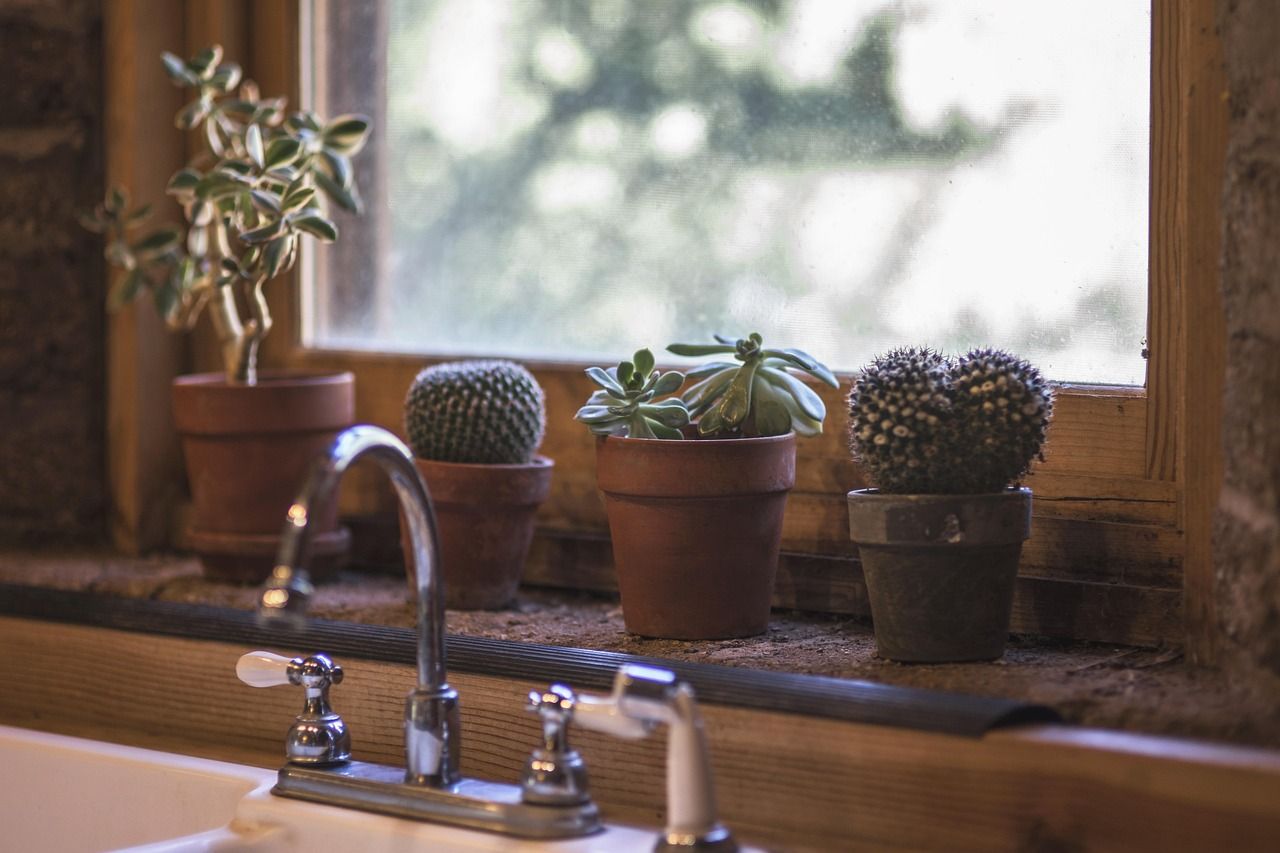
Microfiber works because the fibers are split, creating a hook-like structure that physically grabs and holds dust. When cleaning your wooden furniture or glass surfaces, use a slightly damp microfiber cloth. This prevents the dust from becoming airborne. For those living in high-traffic areas like Mumbai or Delhi, professional cleaners suggest cleaning window sills and mesh screens at least twice a week to create a barrier against incoming pollutants.
Tackling the Indian Kitchen: Oil, Spices, and Sticky Residue
The Indian kitchen is the heart of the home, but it is also the most difficult area to keep clean. The combination of 'tadka' smoke and high heat creates a sticky film on cabinets and chimneys. Cleaning pros reveal how to tackle this grease without using harsh, toxic chemicals that could contaminate your food.
The Power of Degreasing
Instead of scrubbing for hours, pros use a mixture of warm water, dish soap, and white vinegar. For heavy grease buildup on kitchen tiles or the top of the refrigerator, apply a paste of baking soda and a little water. Let it sit for fifteen minutes. The chemical reaction breaks down the lipids in the oil, allowing you to wipe it away with minimal effort. Don't forget the kitchen chimney filters; soaking them in boiling water with caustic soda or a strong degreaser once a month is a pro-level tip that keeps your kitchen air fresh.
Hard Water Woes: Restoring Shine to Bathrooms
If you live in a city with hard water, you are likely familiar with the white, crusty deposits on your chrome taps and glass shower partitions. These mineral deposits are stubborn and can ruin the aesthetic of a modern bathroom. Cleaning pros reveal how to use acidity to your advantage here.
Natural Descaling Solutions
You do not need expensive descaling agents. A simple lemon half rubbed over a chrome tap can dissolve light limescale. For tougher buildup, soak a cloth in white vinegar and wrap it around the tap, securing it with a rubber band. Leave it for an hour, and the minerals will wipe right off. For the bathroom floor, especially in the corners where 'bucket rings' often form, professionals suggest using a dilute acid cleaner or a specialized tile cleaner once a week to prevent permanent staining of the grout.
Floor Care: Beyond the Daily Mop
The daily 'pocha' is a staple in Indian homes, but often, it results in streaky floors or a lingering damp smell. Cleaning pros reveal how to mop like a specialist to ensure your marble or vitrified tiles actually shine. The biggest mistake people make is using too much cleaning product. Excess soap stays on the floor, attracting more dirt and creating a dull film.
The Two-Bucket System
Professionals always use two buckets: one with your cleaning solution and one with plain water for rinsing the mop. This ensures that you aren't putting dirty water back onto your clean floors. If you have marble flooring, avoid acidic cleaners like vinegar or lemon, as these can etch the stone. Instead, use a pH-neutral cleaner to maintain the natural luster of the marble. For those with granite or tiles, adding a capful of eucalyptus oil to the water not only sanitizes the floor but also acts as a natural insect repellent.
Managing the Monsoon: Preventing Mold and Musty Odors
The monsoon brings relief from the heat but also introduces humidity that can lead to mold in cupboards and a musty smell in upholstery. Cleaning pros reveal how to protect your fabrics and woodwork during these months. Moisture absorbers, like silica gel packets or small containers of activated charcoal, should be placed in every wardrobe.
Upholstery Maintenance
Since you cannot easily wash a sofa or a heavy curtain during the rains, pros recommend a thorough vacuuming with a HEPA-filter vacuum once a week. This removes dust mites and fungal spores before they have a chance to settle. If a musty smell persists, a light spray of vodka or rubbing alcohol mixed with water can neutralize odors without soaking the fabric.
The Professional Workflow: Efficiency is Key
One of the most valuable things cleaning pros reveal how to do is organize the workflow. Most people clean randomly, moving from room to room. Professionals follow the 'Top-to-Bottom, Left-to-Right' rule. Start by dusting the ceiling fans and the tops of cupboards. Any dust that falls will be caught when you clean the lower surfaces and finally the floor. This prevents you from having to clean the same spot twice.
The 15-Minute Daily Habit
Consistency is the ultimate pro secret. Instead of a grueling eight-hour deep clean once a month, professionals recommend a 15-minute 'reset' every night. This involves clearing the kitchen counters, putting away stray items in the living room, and wiping down the bathroom sink. This habit prevents grime from hardening, making your weekly deep clean significantly faster and easier.
Conclusion: Your Path to a Professionally Clean Home
Maintaining a home in India requires a blend of traditional wisdom and modern professional techniques. By switching to microfiber, understanding the chemistry of grease and hard water, and adopting a systematic workflow, you can achieve a level of cleanliness that usually requires hiring a professional service. Remember, the goal is not just a home that looks clean, but a space that feels healthy and inviting. Start implementing these pro tips today, and you will notice a significant difference in both the appearance of your home and the effort you spend maintaining it.
What is the best way to remove turmeric stains from white kitchen counters?
Cleaning pros reveal how to use a paste of baking soda and water. Apply it to the stain and let it sit for 15 minutes before scrubbing gently. For very stubborn stains on quartz or laminate, a small amount of rubbing alcohol on a cotton ball can often lift the pigment without damaging the surface.
How do I clean my ceiling fans without getting dust everywhere?
The professional trick is to use an old pillowcase. Slide the pillowcase over the fan blade and pull it back. All the dust stays trapped inside the bag instead of falling onto your furniture or floor. Wipe the blades afterward with a damp microfiber cloth to remove any remaining fine particles.
How often should I deep clean my Indian home?
While daily maintenance is essential, professionals suggest a thorough deep clean every three months. This should include cleaning behind large appliances, washing curtains, deep-scrubbing bathroom grout, and sanitizing the kitchen chimney. This frequency is ideal for managing the high dust levels found in Indian urban environments.
Can I use vinegar on all types of flooring?
No. Professionals warn against using vinegar or any acidic cleaner on natural stone like marble or limestone, as it can cause permanent dulling or etching. Use vinegar only on ceramic tiles, vitrified tiles, or laminate flooring. For marble, always use a pH-neutral cleaner specifically designed for stone.


