

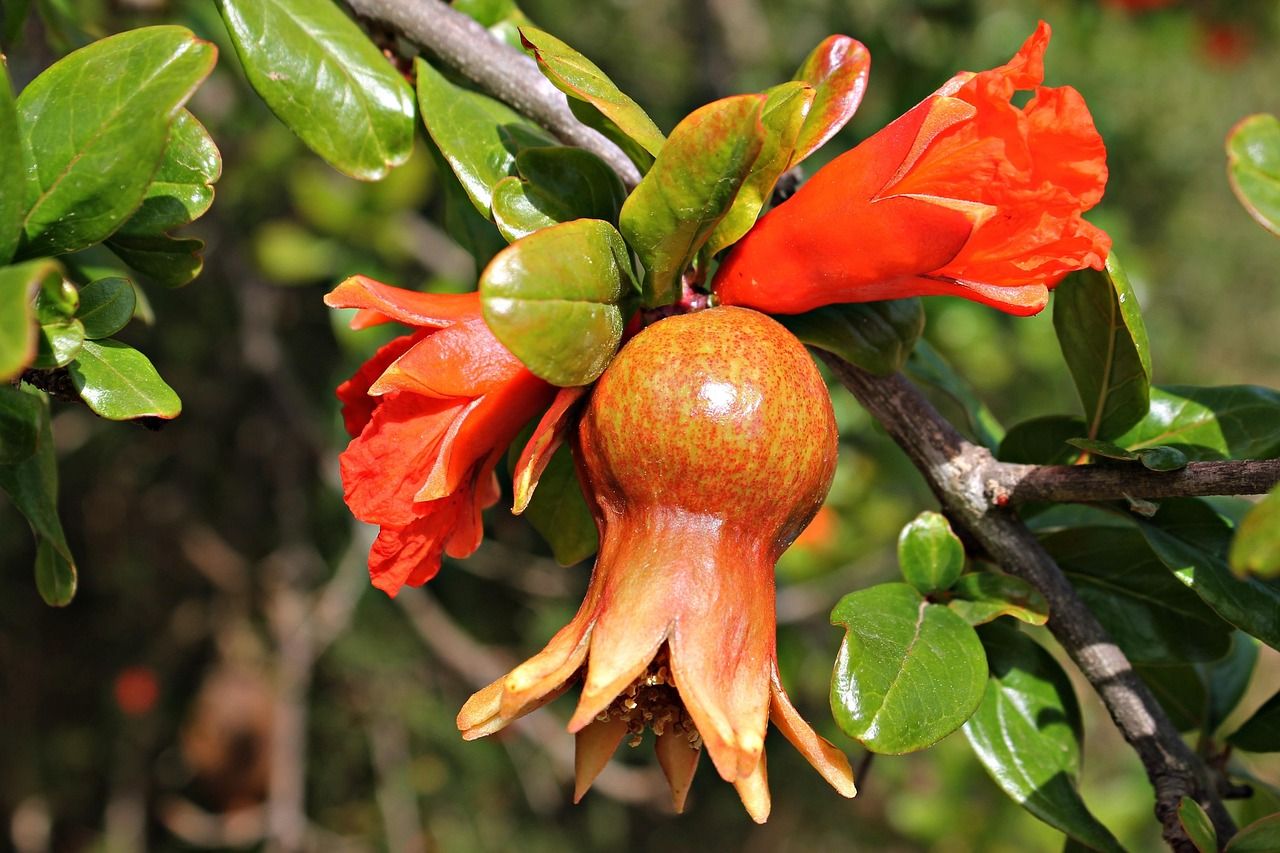
Introduction to Pomegranate Pruning in India
Pomegranates, popularly known as Anar in India, are one of the most resilient and rewarding fruit trees you can grow. Whether you are tending to a small tree in your backyard in Delhi or managing a commercial orchard in the dry belts of Maharashtra, understanding how to prune a pomegranate is the key to a bountiful harvest. Pruning is not just about cutting branches; it is an art of directing the plant's energy toward high-quality fruit production rather than excessive leaf growth.
In India, the climate allows for various flowering seasons, known as Bahars. Without proper pruning, your pomegranate tree can become a tangled mess of thorny branches, leading to small fruits, increased pest attacks, and poor sunlight penetration. In this guide, we will walk through the specific techniques, timing, and tools required to prune your pomegranate tree effectively under Indian conditions.
The Importance of Pruning Your Pomegranate Tree
Many home gardeners are afraid to prune because they fear they might hurt the tree. However, pomegranates actually thrive on regular pruning. Here is why you should pick up those shears:
- Improved Fruit Size: Pruning reduces the number of fruits, which allows the tree to channel more nutrients into the remaining ones, making them larger and juicier.
- Disease Management: In humid parts of India, air circulation is vital. Thinning out the center of the tree prevents fungal infections like oily spot (Bacterial Blight), which is common in Indian pomegranate farms.
- Sunlight Penetration: Pomegranate fruits need sunlight to develop that deep red color. Pruning opens up the canopy, ensuring every fruit gets enough light.
- Structural Strength: Pruning helps build a strong framework that can support the weight of a heavy crop without the branches snapping.
The Best Time to Prune Pomegranate in India
Timing is everything when it comes to pruning. In India, the timing depends largely on the Bahar system (flowering season) you follow. Most growers choose one of the three following seasons:
1. Ambe Bahar (January-February Flowering)
If you want your fruit to ripen during the summer, you should prune your trees in December. This is the dormant period for the tree in most parts of North and Central India.
2. Mrig Bahar (June-July Flowering)
For those targeting a winter harvest, pruning is usually done in April or May. This prepares the tree to burst into new growth once the monsoon rains arrive.
3. Hasta Bahar (September-October Flowering)
This is less common but used in specific regions. Pruning for this cycle happens in August. For the average home gardener in India, pruning during the winter months (December or January) is generally the safest and most effective time, as the tree is in a semi-dormant state.
Essential Tools for Pruning
Before you begin, ensure your tools are sharp and sterilized. Using blunt tools can tear the wood, making it susceptible to infections. You will need:
- Hand Pruners: For small twigs and branches up to half an inch thick.
- Loppers: For thicker branches that require more leverage.
- Pruning Saw: For removing old, thick wood or large structural branches.
- Gloves: Pomegranates have sharp thorns, so heavy-duty gardening gloves are a must.
- Fungicide Paste: In India, it is common practice to apply a copper oxychloride or Bordeaux paste to large cuts to prevent infections.
Step-by-Step Guide on How to Prune a Pomegranate
Step 1: Removing the Suckers
Pomegranate trees are naturally shrubby and tend to send up many shoots from the base of the trunk. These are called suckers. They drain energy from the main tree without producing any fruit. Use your hand pruners to cut these off as close to the ground as possible. This helps maintain the tree shape, whether you prefer a single-trunk or a multi-stem look.
Step 2: The Three Ds (Dead, Damaged, and Diseased)
Inspect your tree for any branches that look dry, brittle, or show signs of pest infestation. In India, keep an eye out for branches affected by stem borers. Remove these branches entirely. This immediately improves the health of the tree and prevents the spread of disease.
Step 3: Thinning the Canopy
Look at the center of the tree. If it is so thick that you cannot see through it, it needs thinning. Remove crossing branches that rub against each other. When branches rub, they create wounds in the bark that act as entry points for pests. Aim for an "open center" or vase-like shape to allow maximum sunlight and air into the middle of the tree.
Step 4: Heading Back for Height
If your tree is growing too tall, it will be difficult to harvest the fruit. Cut back the tallest branches to a manageable height. This is called a "heading cut." Make the cut about a quarter-inch above a lateral bud or branch facing outward. This encourages the tree to grow outward rather than just upward.
Training Systems: Single Stem vs. Multi-Stem
In Indian orchards, there is a constant debate between the single-stem and multi-stem training systems. For home gardeners, the multi-stem system (allowing 3 to 5 main trunks) is often better because it provides a backup. If one trunk gets affected by a borer or disease, you can remove it without losing the entire tree. Commercial farmers in regions like Solapur often prefer the multi-stem system for its higher yield and better resilience against the harsh Indian sun.
Pruning Tips for Popular Indian Varieties
Different varieties might require slightly different care. For instance, the "Bhagwa" variety, which is the most popular in India for its deep red seeds, responds very well to moderate thinning. "Mridula" and "Ruby" varieties are slightly more vigorous and may require more frequent removal of water sprouts (the fast-growing vertical shoots that appear on main branches).
Post-Pruning Care and Maintenance
Your job isn't finished once the cutting is done. Proper aftercare ensures the tree recovers quickly and produces high-quality Anar.
- Seal Large Cuts: Apply a fungicide paste to any cut larger than a finger's thickness. This is crucial during the Indian monsoon or high-humidity periods.
- Fertilization: After pruning, provide the tree with a good dose of well-decomposed cow dung manure (FYM) and a balanced NPK fertilizer. This gives the tree the nutrients it needs to produce new fruiting wood.
- Watering: Give the tree a deep watering immediately after pruning and fertilizing, but then reduce watering slightly until new growth appears.
- Mulching: Use dry leaves or straw to mulch around the base of the tree. This helps retain moisture in the soil, which is vital during the hot Indian summers.
Common Mistakes to Avoid
Avoid heavy pruning during the peak of the rainy season, as the high humidity can lead to fungal rot at the cut sites. Another mistake is over-pruning. Never remove more than 25-30% of the tree's canopy in a single year, as this can stress the tree and cause it to stop fruiting altogether. Finally, don't forget to clean your tools after use; pomegranates are sensitive, and you don't want to carry pathogens from one tree to another.
Conclusion
Pruning a pomegranate tree may seem intimidating at first, but it is one of the best things you can do for the health of your plant. By following these steps and timing your pruning with the Indian seasonal cycles, you will enjoy a tree that is not only beautiful but also laden with sweet, red fruits. Remember, the goal is to create a balanced structure that allows light and air to reach every part of the tree. With a little practice and the right tools, you will master the art of pomegranate pruning in no time.
What is the best month to prune pomegranate trees in India?
The best time is generally during the winter months of December and January when the tree is dormant. However, if you are following a specific Bahar (flowering cycle), you should prune about a month before the expected flowering period.
Can I prune my pomegranate tree during the monsoon?
It is generally not recommended to perform heavy pruning during the monsoon in India. High humidity increases the risk of fungal and bacterial infections at the cut sites. If you must prune, ensure you apply a fungicide paste to all wounds immediately.
How do I identify suckers on my pomegranate tree?
Suckers are fast-growing, straight shoots that emerge from the base of the trunk or directly from the roots. They usually have light-colored bark and rarely produce flowers. These should be removed as soon as they appear to save the tree's energy.
How much of the tree should I cut back?
As a general rule, never remove more than 25% to 30% of the total canopy in one season. Focus first on the three Ds (dead, damaged, diseased) and then on thinning the center for light and air.
Will my tree produce fruit immediately after pruning?
Pomegranates fruit on new wood. Light to moderate pruning encourages new growth which will eventually bear flowers. However, very heavy pruning might delay fruiting for a season as the tree focuses on rebuilding its vegetative structure.


